May 23, 2025

Continuing our May e-links, I recommend a podcast from economist Tim Harford that appears to be about a canal but tells us much more.
Continuing our May e-links, I recommend a podcast from economist Tim Harford that appears to be about a canal but tells us much more.
Continuing with our October e-links, we recommend a podcast wonderfully explains the 2024 Nobel economics prize in just 9 minutes.
While it can be interesting to see the massive incomes of the richest billionaires, global inequality is much more complicated.
Whether buying books by the pound or establishing a factory weight quota, the impact of the incentives will surprise you.
Whether looking at Germany's minimum wage hike or David Card's classic 1992 study, still raising the minimum wage can be controversial.
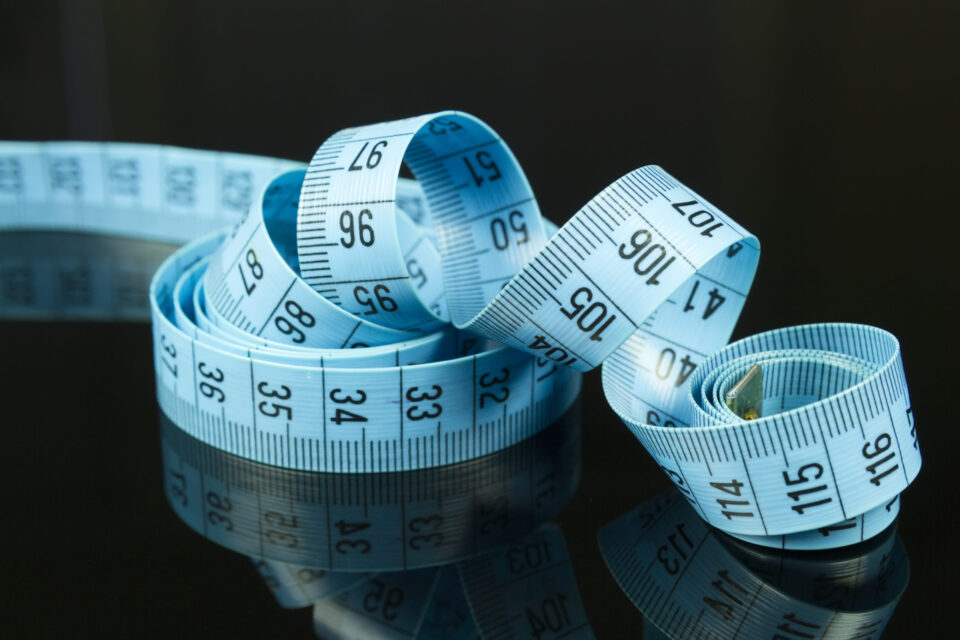
We can wind up with misleading metrics when the number we use as a goal becomes the incentive that distorts output decisions.
Seemingly different, for the same reasons, we've had partial nuclear plant meltdowns, financial meltdowns, and a meltdown in Iowa during their caucus.
Deciding which groups should give which should receive, government redistribution policies could be based on a generational lens.
From the Wells Fargo scandal to the British National Health Service and Chilean bus drivers, sometimes incentives can have unintended consequences.