March 5, 2025
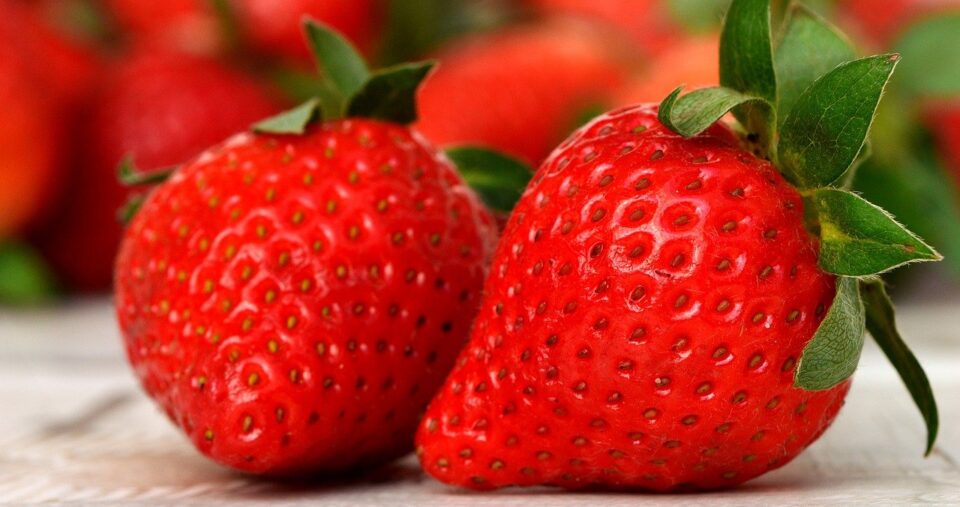
Looking at different nations, we see that what we eat requires a vast amount of resources in some places but not in others.
Looking at different nations, we see that what we eat requires a vast amount of resources in some places but not in others.
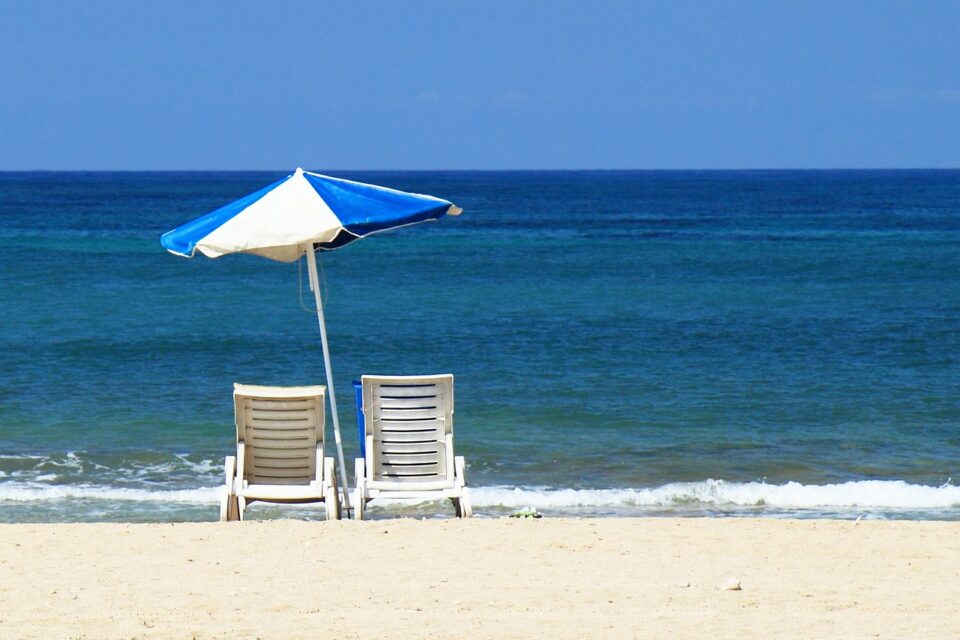
Because sand demand includes roads, beach volleyball, glass, concrete, your home's foundation, and solar panels, we might not have enough.
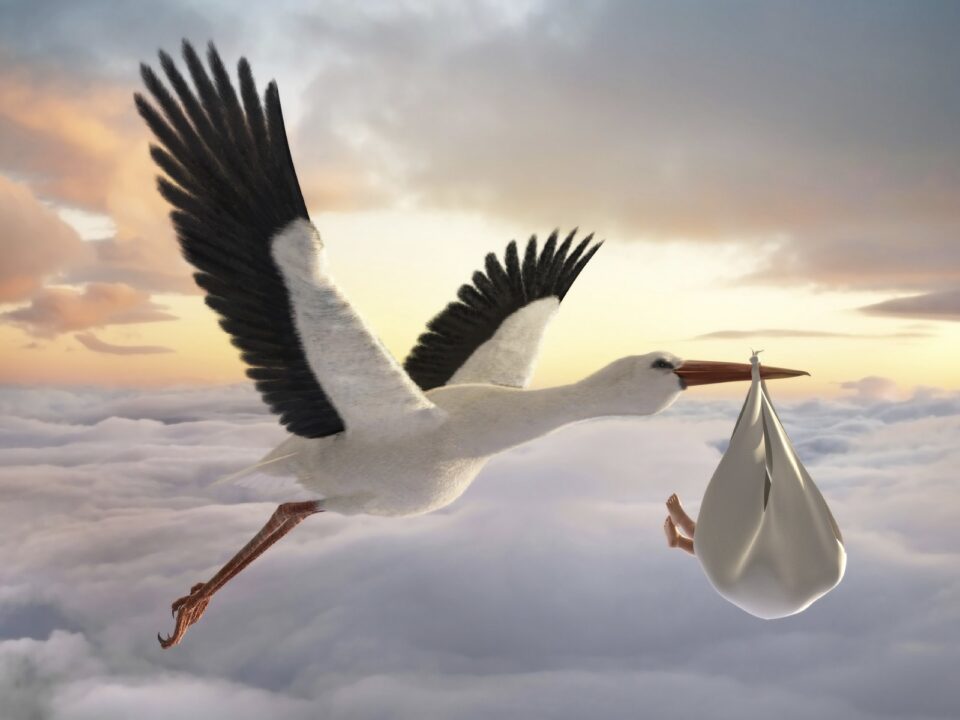
Looking at a hover of trout or a shoal of salmon, we can ask if a fish hatchery is the way to preserve a population for recreation and conservation.
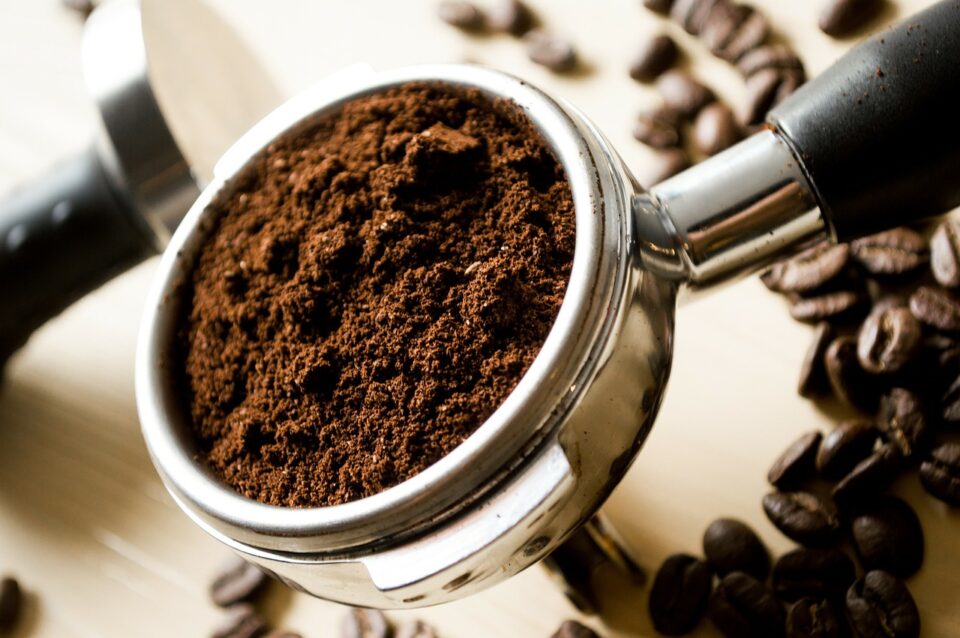
Whether it relates to coffee grounds or new clothing patterns, zero waste design can optimize economic efficiency in surprising ways.
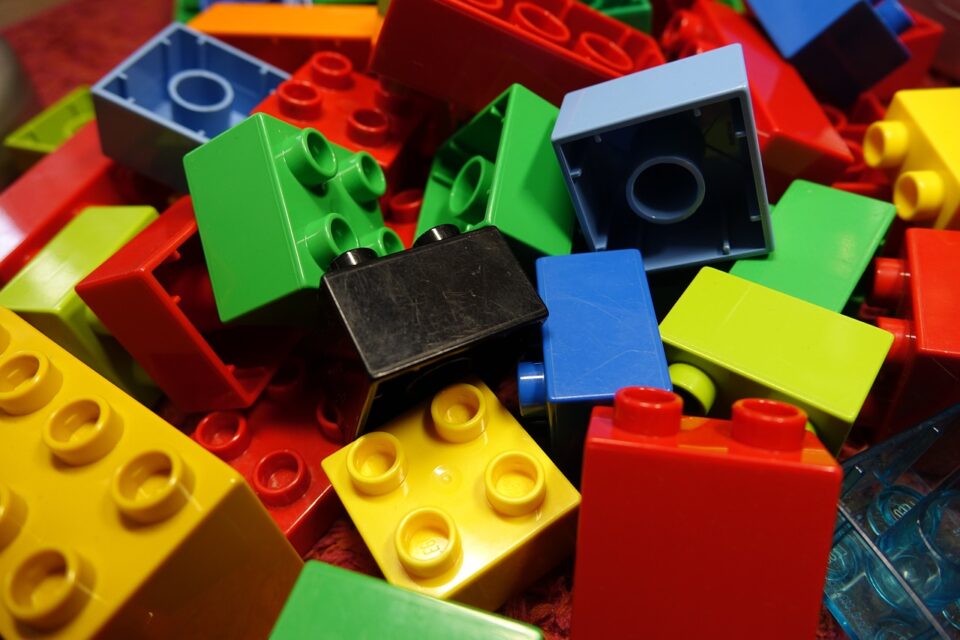
If we want our Legos to match, attach, and detach, we might have to wait awhile for them to develop the appropriate bio-based plastic.
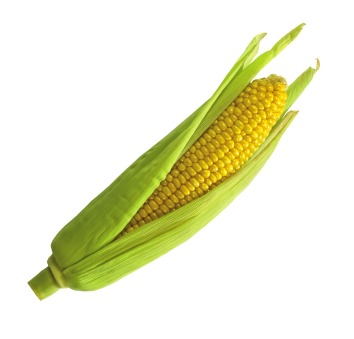
With population growth adding almost three billion people by 2050, we need to figure out how to produce more food with less land and fewer emissions.
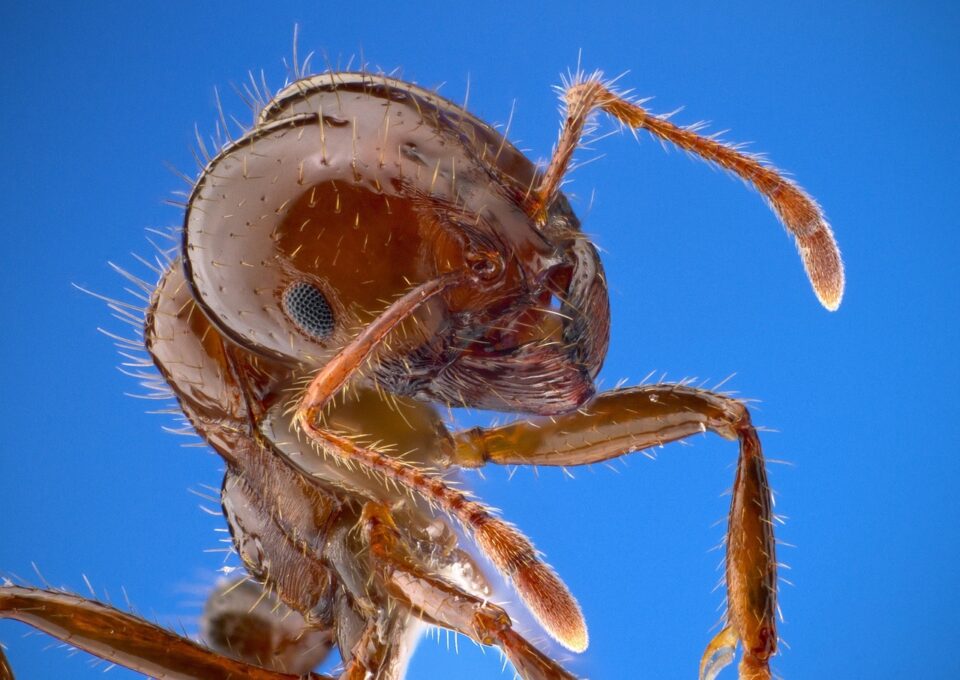
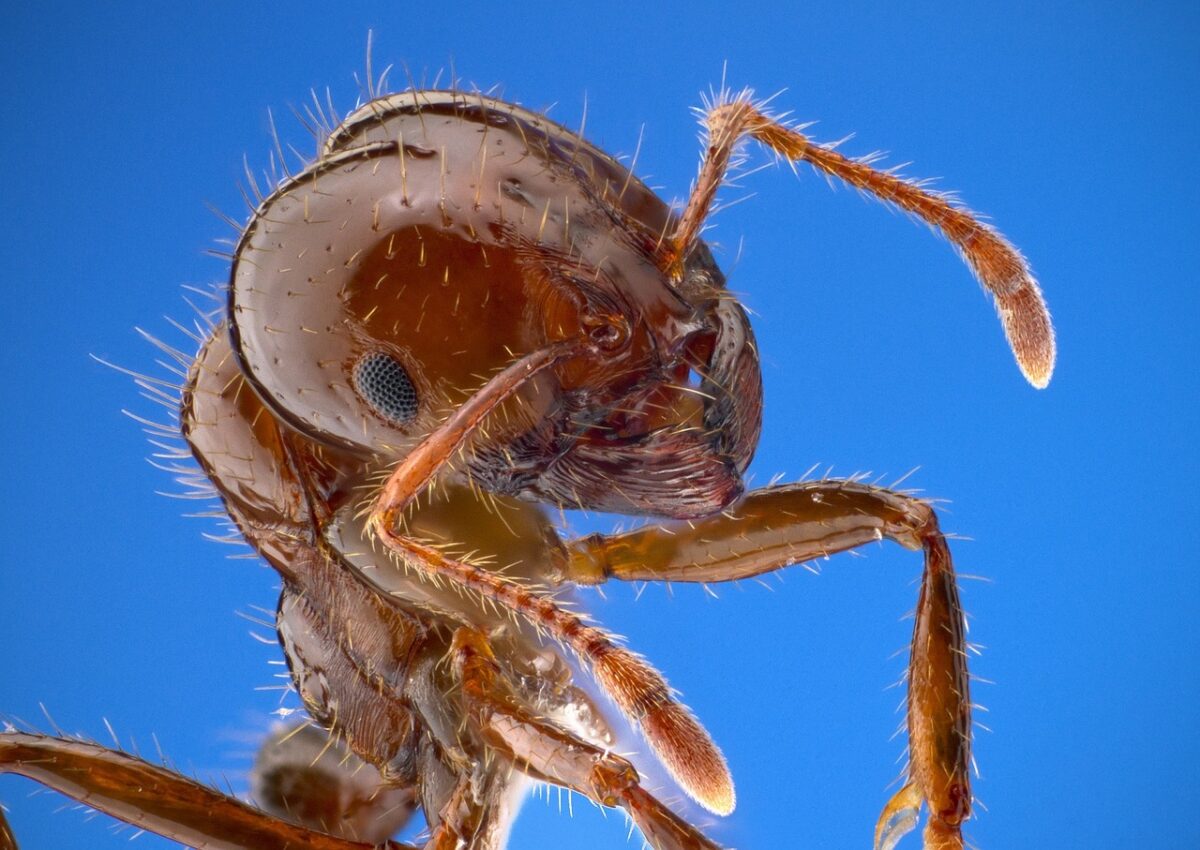
Not only providing a lesson that relates to building nest tunnels, ant economics can also teach us about diminishing returns to scale.
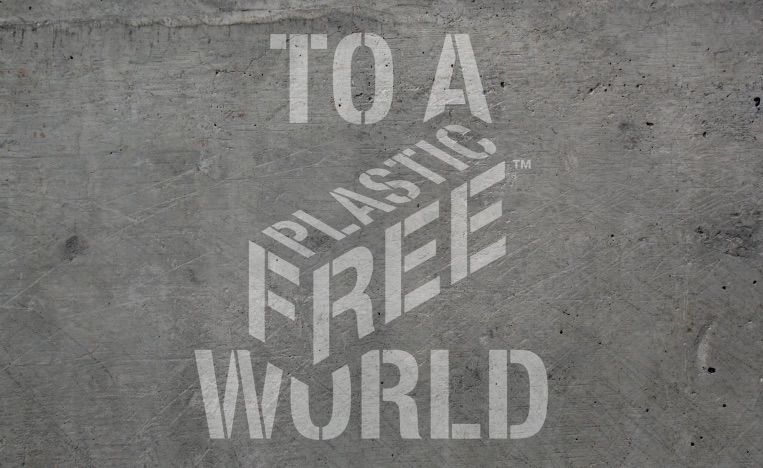
Store by store, through one aisle that has 700 items, the Dutch supermarket chain Ekoplaza will support sustainability with plastics-free grocery shopping.