August 19, 2026

Because auto manufacturing is a global business, American-made cars can come from companies based in the Netherlands, Japan, or South Korea.
Because auto manufacturing is a global business, American-made cars can come from companies based in the Netherlands, Japan, or South Korea.
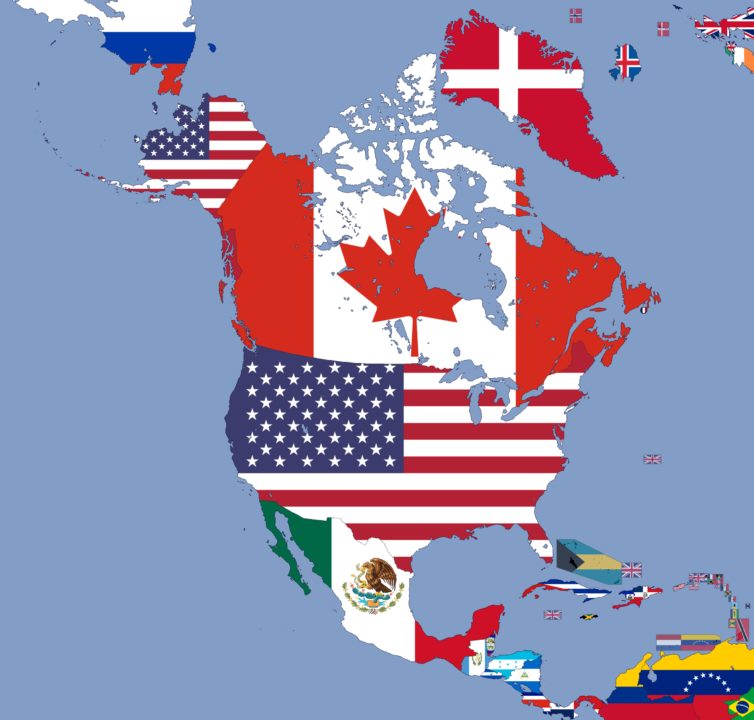
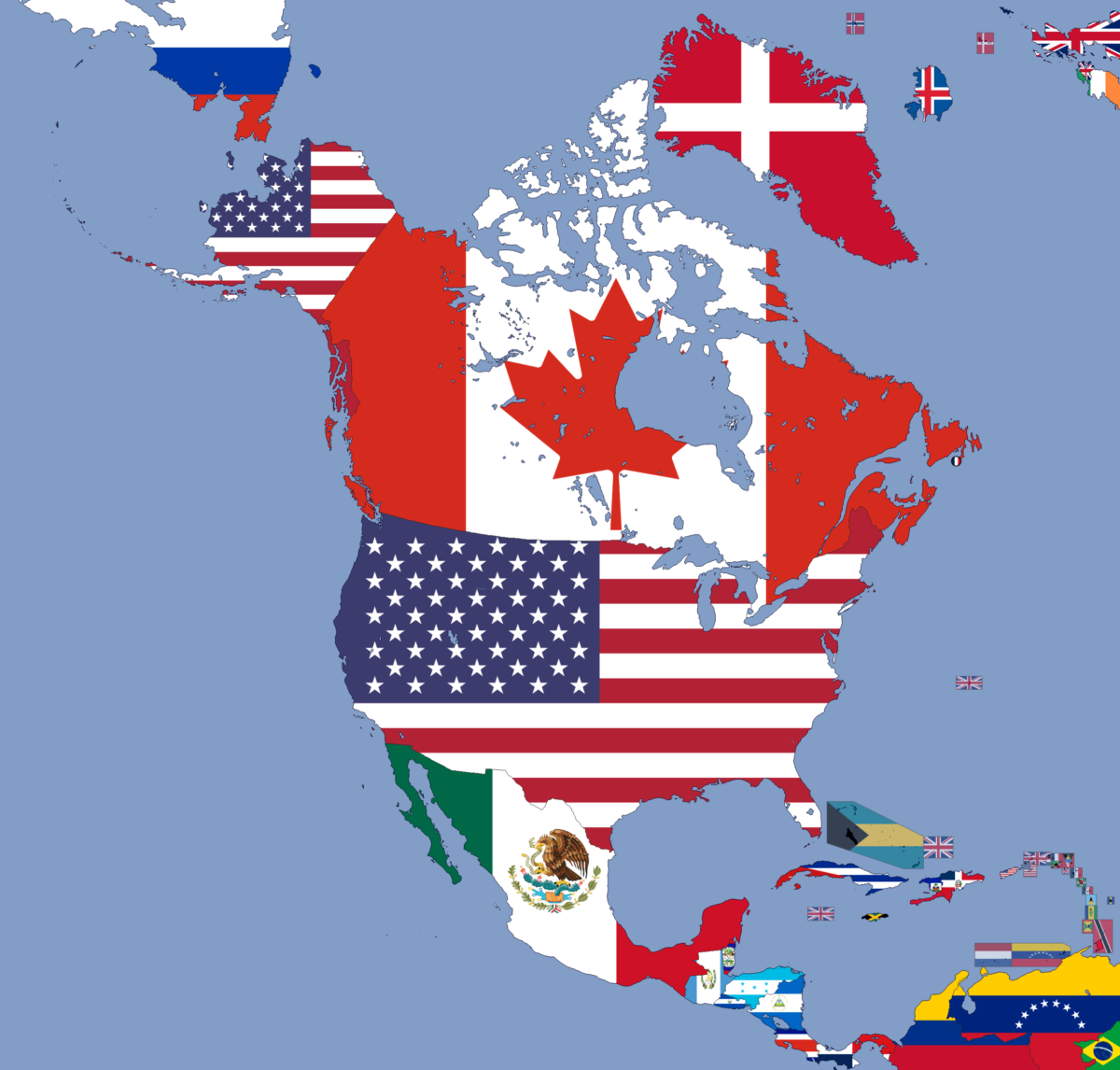
We can look at a car seat, a piston, and a capacitor to see why we need to preserve North American free trade.
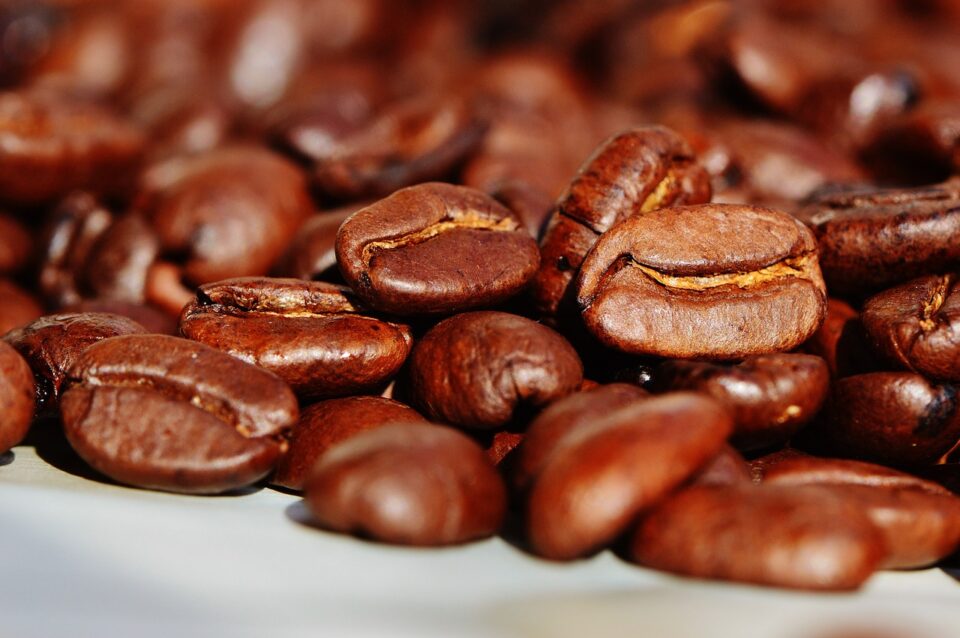
When we look at the long list of countries that grow, process, roast, and brew coffee beans, we see the complicated impact of tariffs.
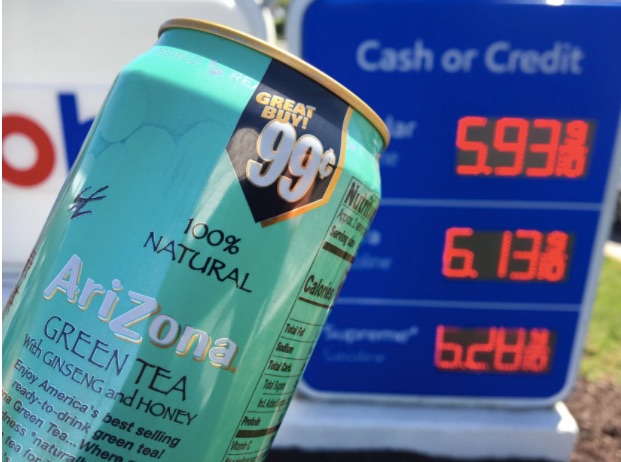
Making production of AriZona Iced Tea cans too costly, the 50% tariff on Canadian aluminum exports could end their 99 cents tradition.
It is always surprising to see the long list of seemingly foreign cars that are near the top of Cars.com's American-Made Index.
Through six banana facts, we can learn all we might want to know about the most popular fresh fruit in the U.S.
With tariffs changing global trade, firms can respond by considering the sourcing risks from new supply chains.
To move Apple's massive supply chain to the United States, it would have to re-coordinate more than 600 component producers.
Looking at tariff history, we can see why the benefits of trade and the downside of protection can both be invisible.
Looking at an iPhone teardown, we can see how the collaboration and creativity of thousands of people combine productively.
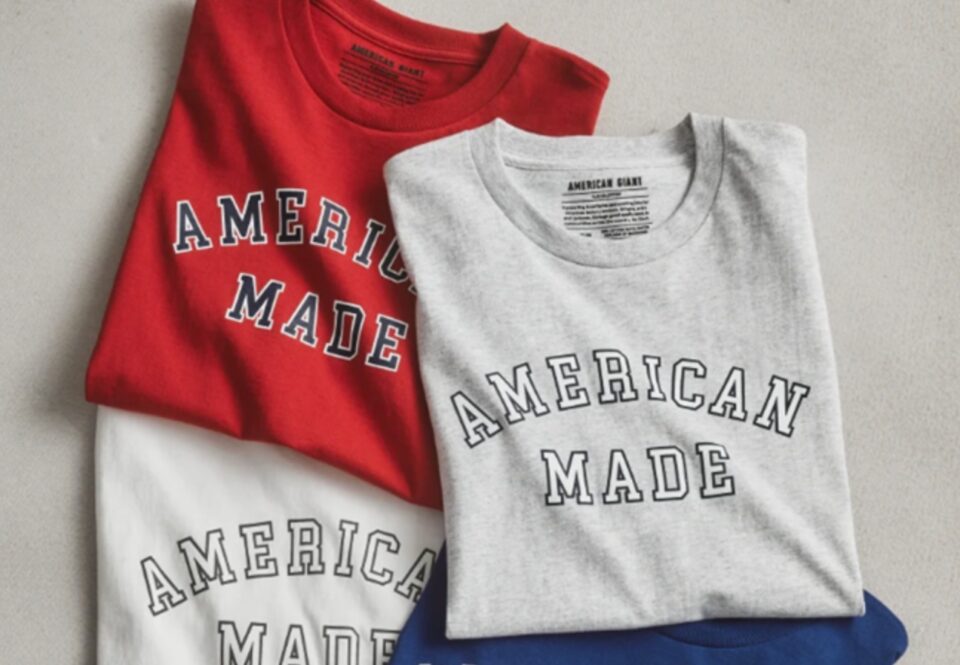
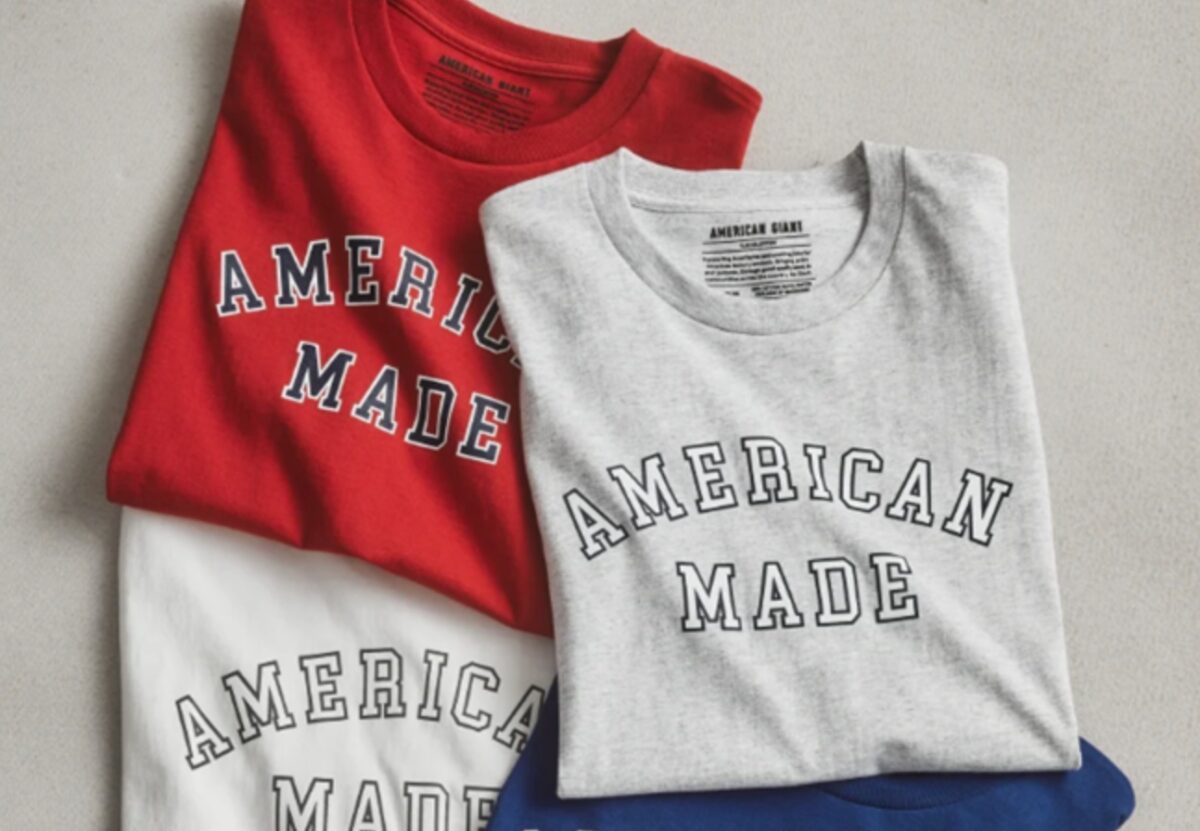
With $30, the average price for a t-shirt made in China, everyone (mistakenly) thought that a cheaper American made t-shirt was impossible.