April 4, 2025

Looking at tariff history, we can see why the benefits of trade and the downside of protection can both be invisible.
Looking at tariff history, we can see why the benefits of trade and the downside of protection can both be invisible.
Looking at an iPhone teardown, we can see how the collaboration and creativity of thousands of people combine productively.
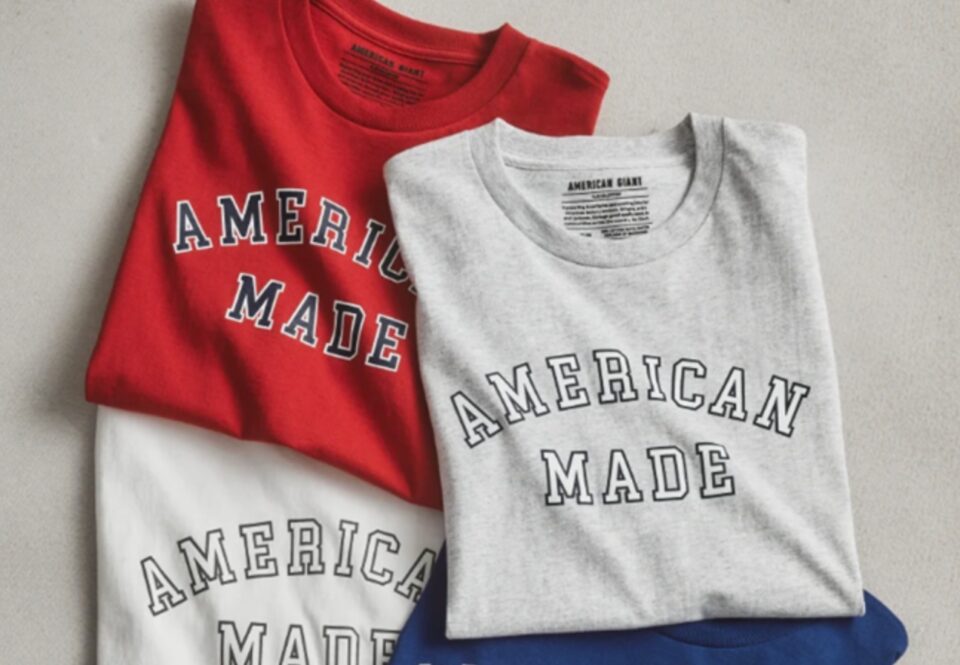
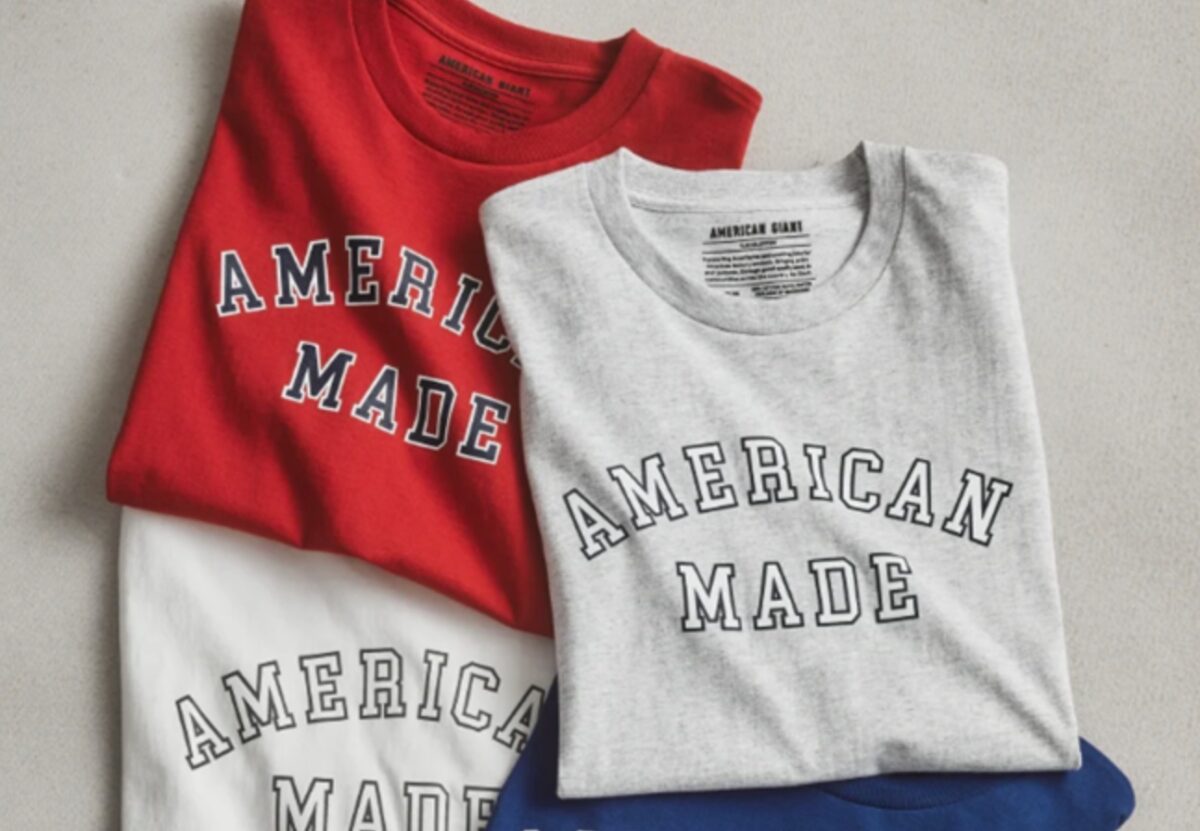
With $30, the average price for a t-shirt made in China, everyone (mistakenly) thought that a cheaper American made t-shirt was impossible.
As major U.S. trading partners, Mexico and Canada help us produce everyday goods like hamburgers and car seats.
With the UK's economy a G7 laggard, some of the pro Brexit vote no longer supports the European Union departure.
To really grasp the impact of the trade disruption in the Red Sea, we need to move from the big numbers to tea.
While we are eating far more shrimp, Louisiana is producing far less because of the shrimp imports that cost much less.
When […]
While the conventional wisdom says that the world is fragmenting, it is likely that there is much less deglobalization than we think.
Looking at the past, the present, and the potential for future globalization, we can expect our interconnectedness to change.
Shown by neon, shortages of necessities have created an attack on globalization that could result in less manufacturing efficiency.