August 28, 2026

When comparing wages, a Big Mac and a Starbucks tall latte can come in handy as globally identical products.
When comparing wages, a Big Mac and a Starbucks tall latte can come in handy as globally identical products.
The reasons that workers earn more in high wage cities like San Francisco are not entirely what we would expect.
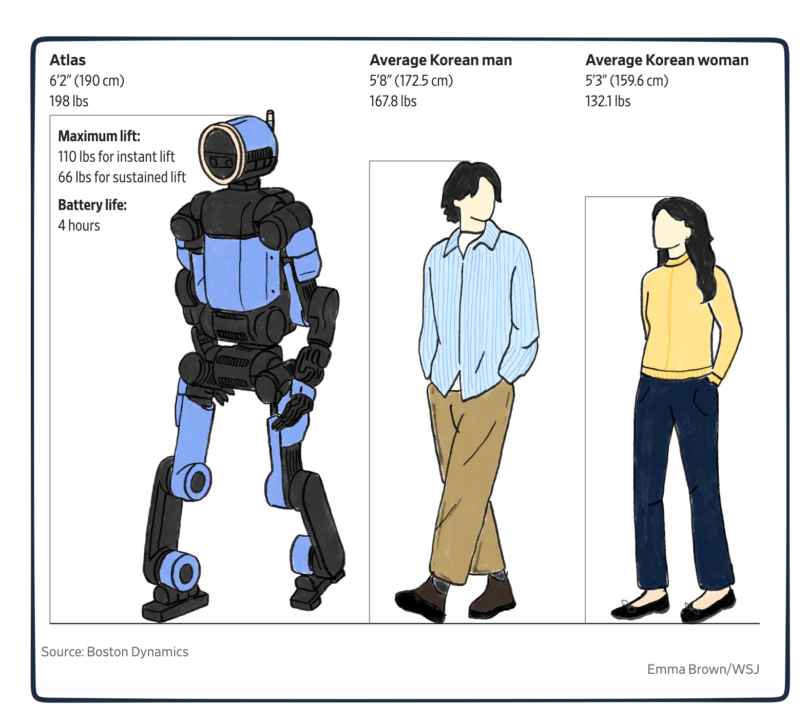
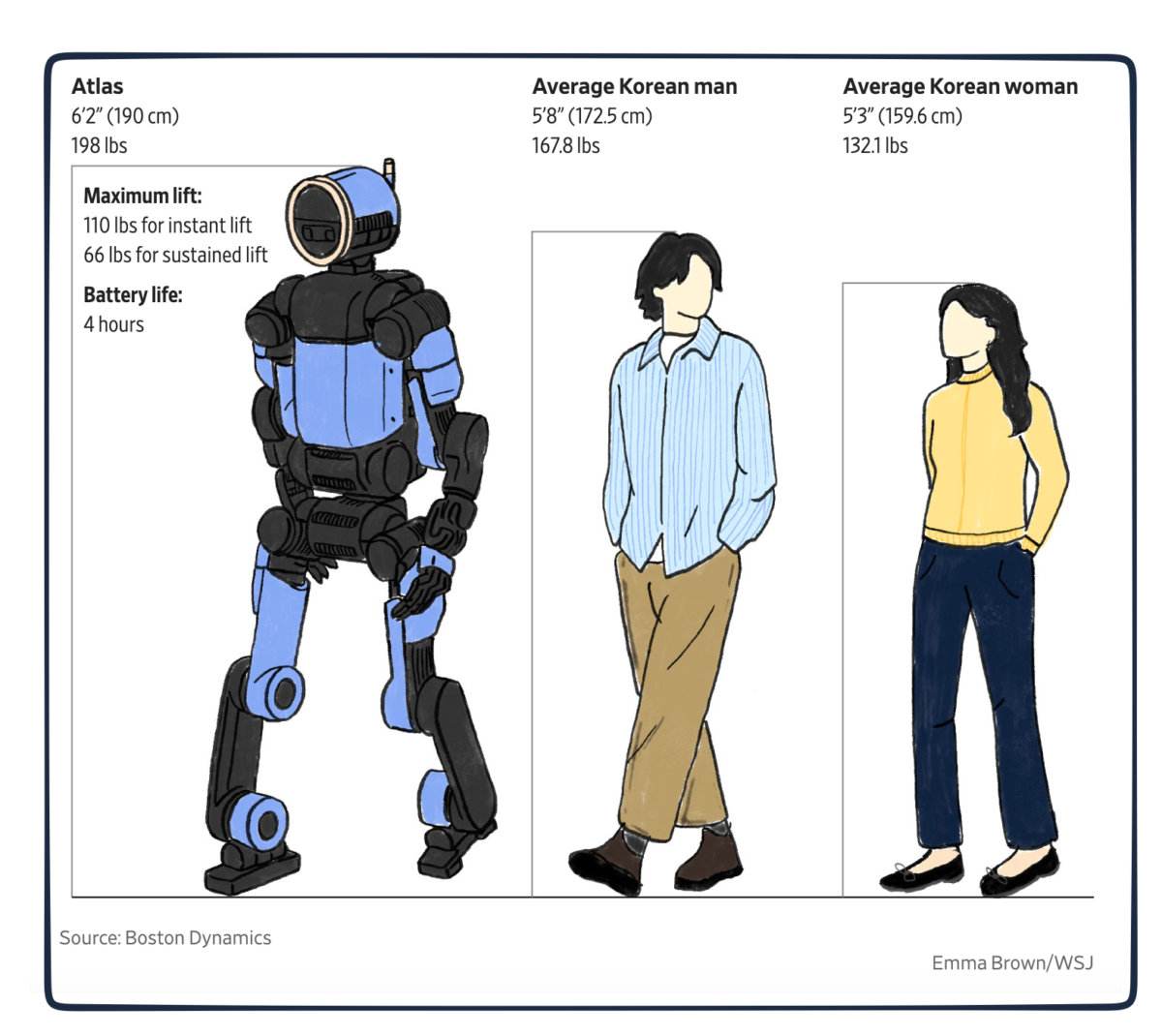
In addition to their World Cup talents, humanoid robots like Atlas will be entering labor markets in growing numbers.
Knowing we have a low hire/low fire job market, recent college grads need to know where they can successfully look for employment.
Looking at working hours historically and now, we see what differentiates how much time we spend on the job.
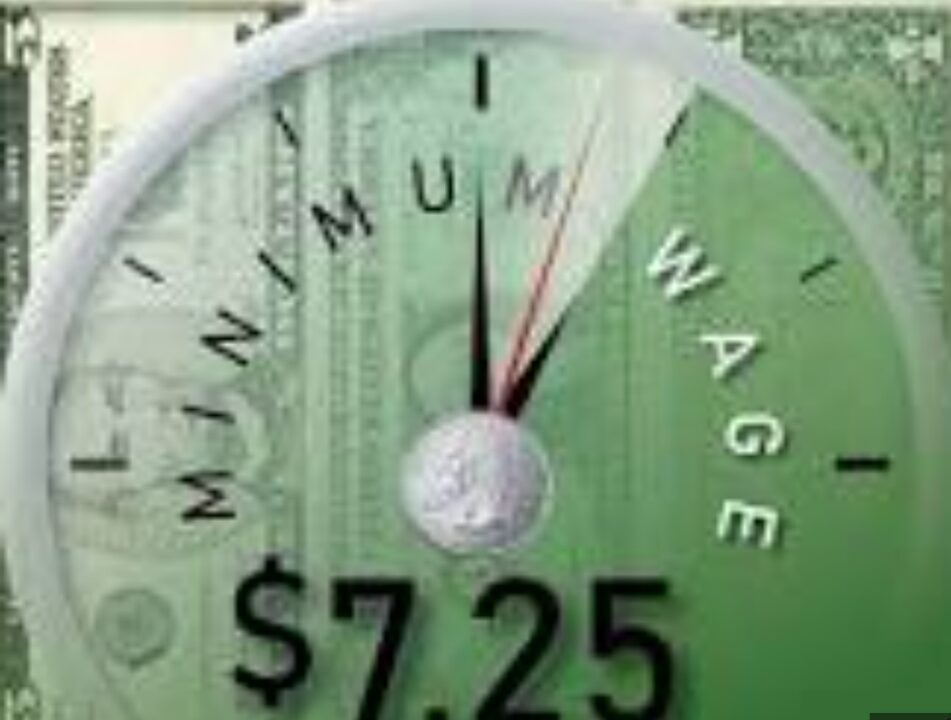
A a recent study reported employers' decisions when they had the choice between a higher minimum wage or labor-replacing capital.
Accordng Baumol's Cost Disease, the reason we pay more to our babysitters is not because they are doing a better job.
A low unemployment rate hides worker and employer incentives that encourage low hire; low fire negative externalities.
Similar to the World Cup and other major sports events, next day Super Bowl absentees from work represent a hefty percent of the labor force.
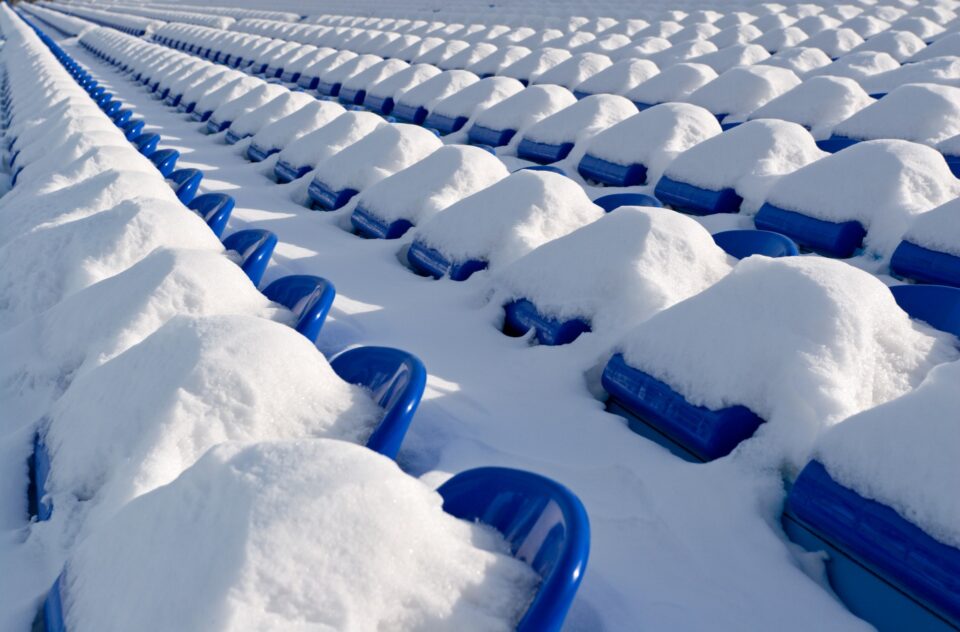
Ranging from DoorDash cancellations to salt spreaders, the cost of a record breaking snowstorm is considerable.
With demand increasing for the jobs no one wants, we can ask about the downside of rosy economic statistics.
When we compare a hypothgetical estimate of Santa's wages to BLS data for U.S. workers, we find the 2025 increase is similar.