October 22, 2026
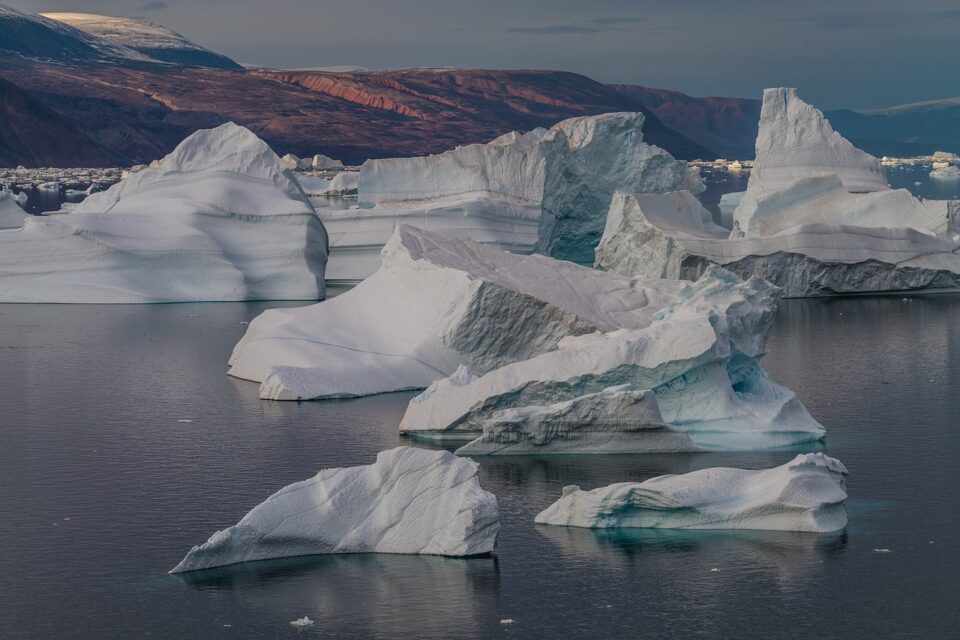
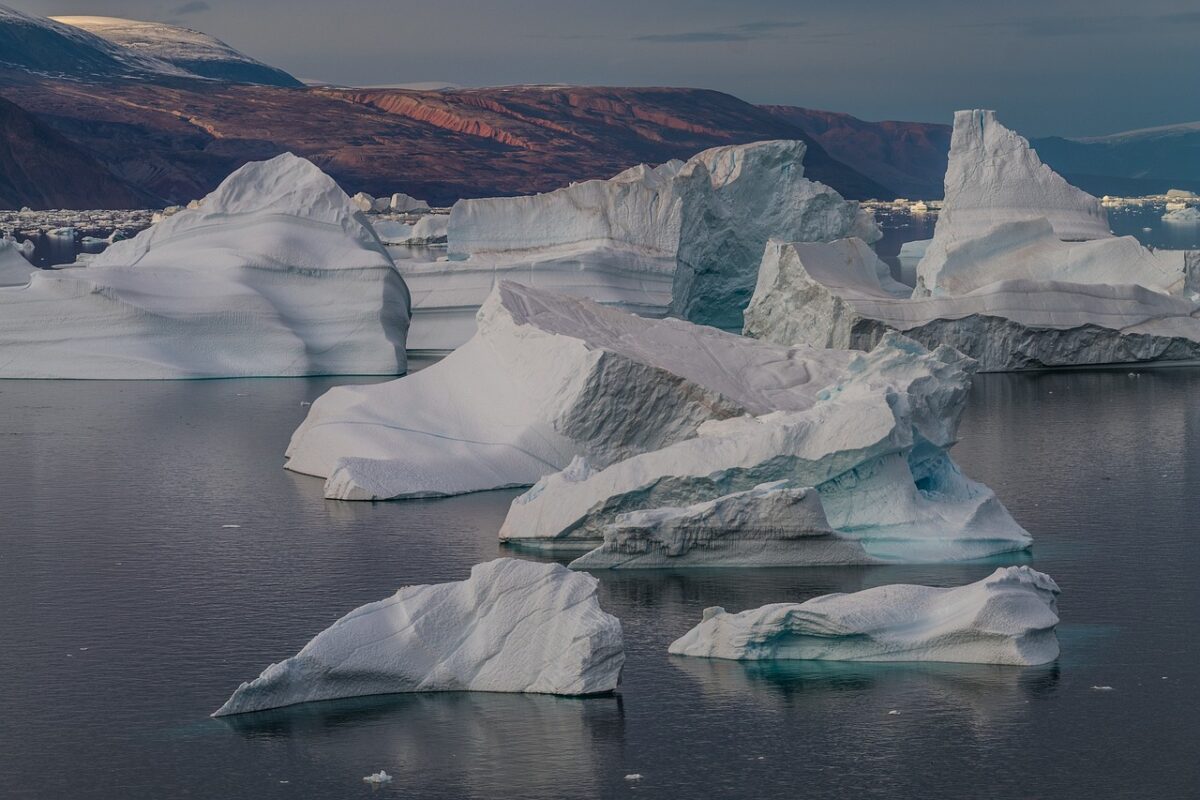
Way beyond glaciers, Arctic sea ice takes us to a range of concern that range from choke points to globale warming.
Way beyond glaciers, Arctic sea ice takes us to a range of concern that range from choke points to globale warming.
Easy to ignore because it is somewhat invisible, our sand demand has grown to unsustainable and worrisome levels.
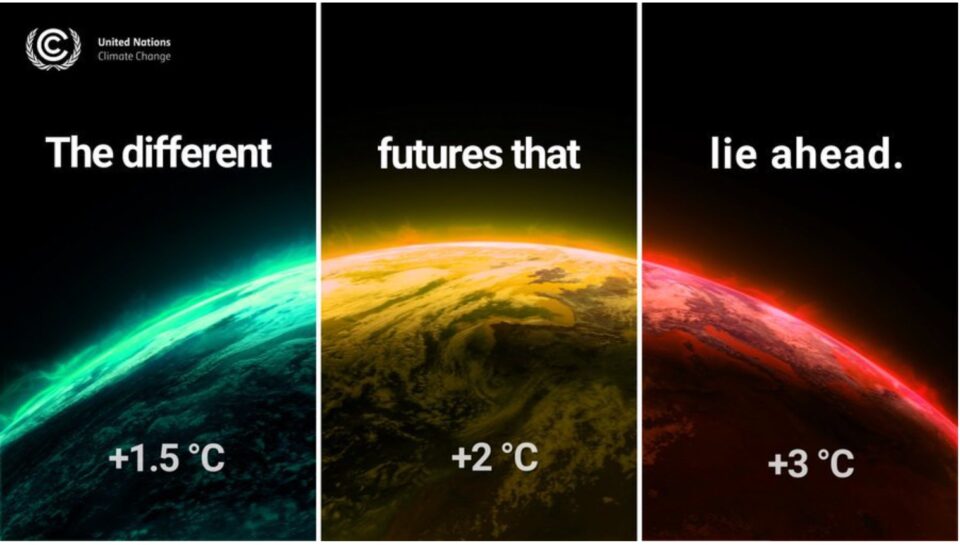
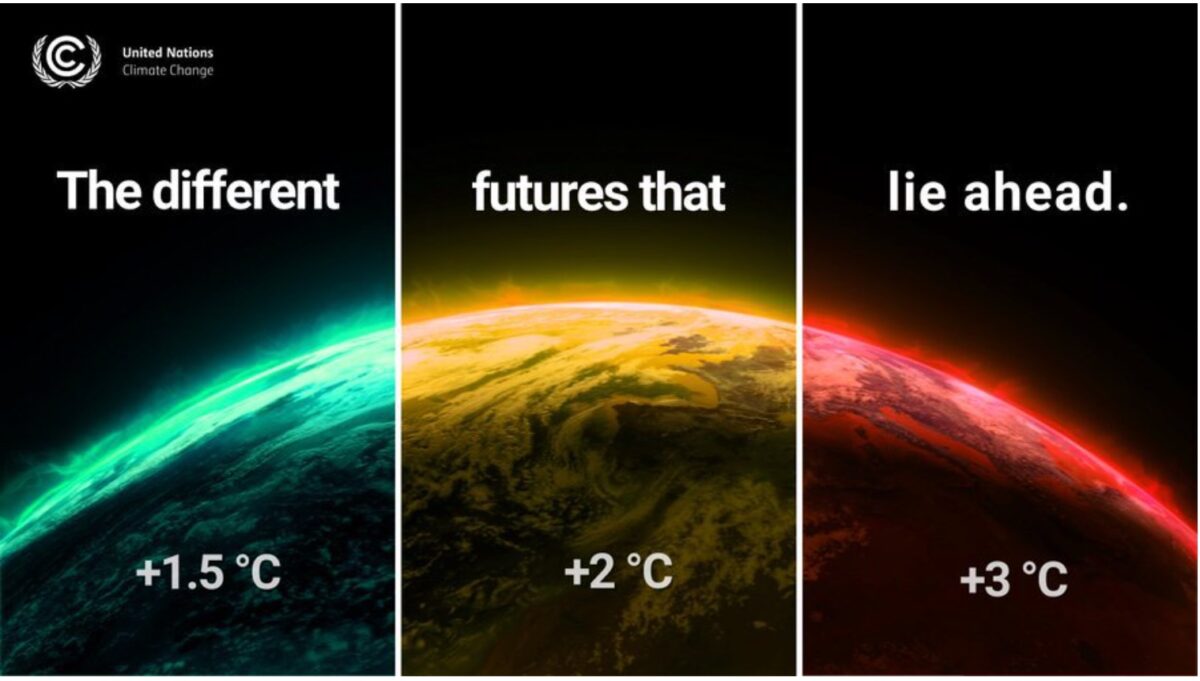
By naming heat waves, we could more effectively mitigate the impact of rising average global temperatures.
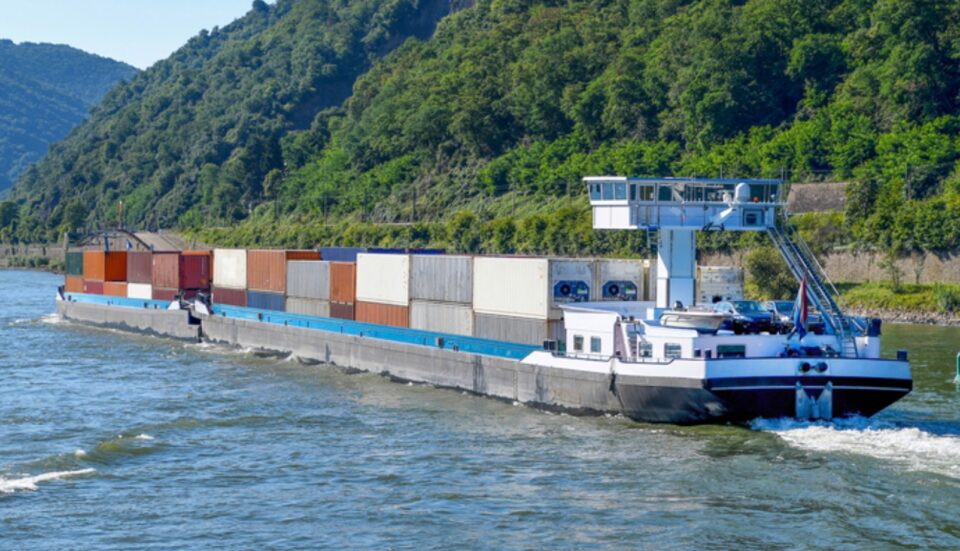
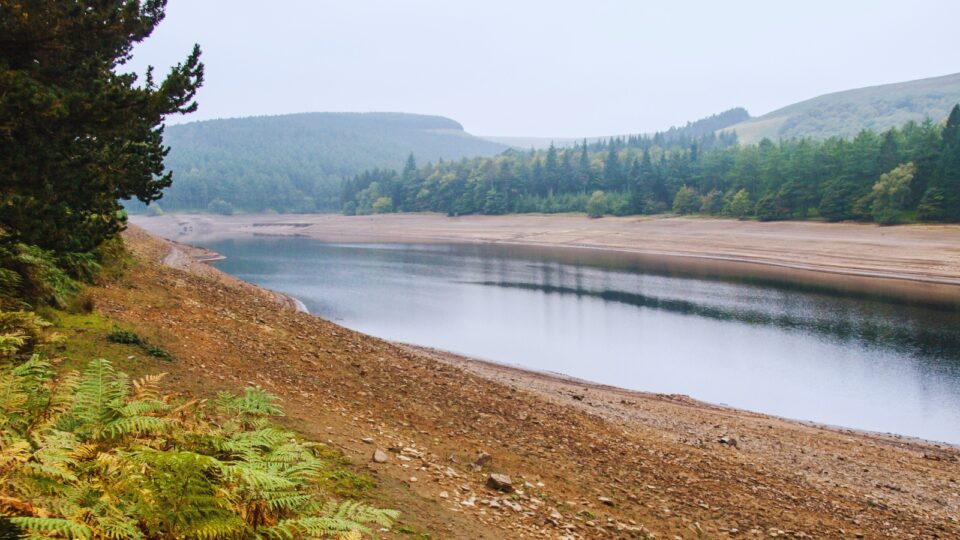
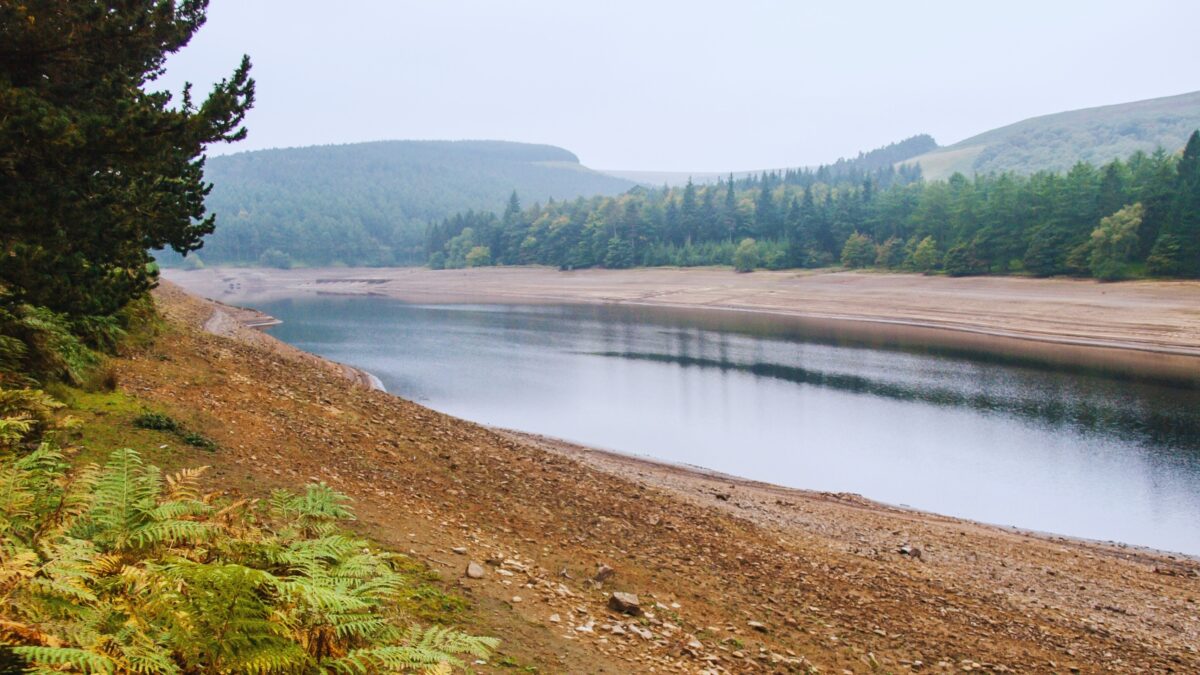
When we look at a depleted Danube, we can see how low river levels in Europe affect what we consume and produce.
Although countless particles of rocket and satellite debris hit the earth daily, we have not yet figured out how to regulate outer space.
Wherever we look, when there is a drought, there could be a low river level that makes shipping commodities more expensive.
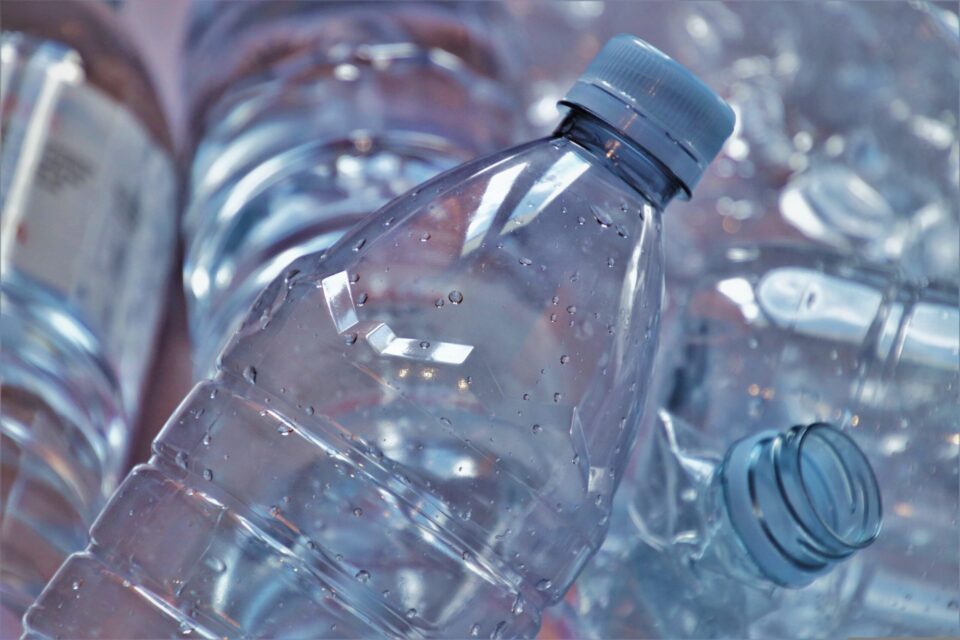
To design more successful recycling programs, policy makers need to be aware of our neurological motivation.
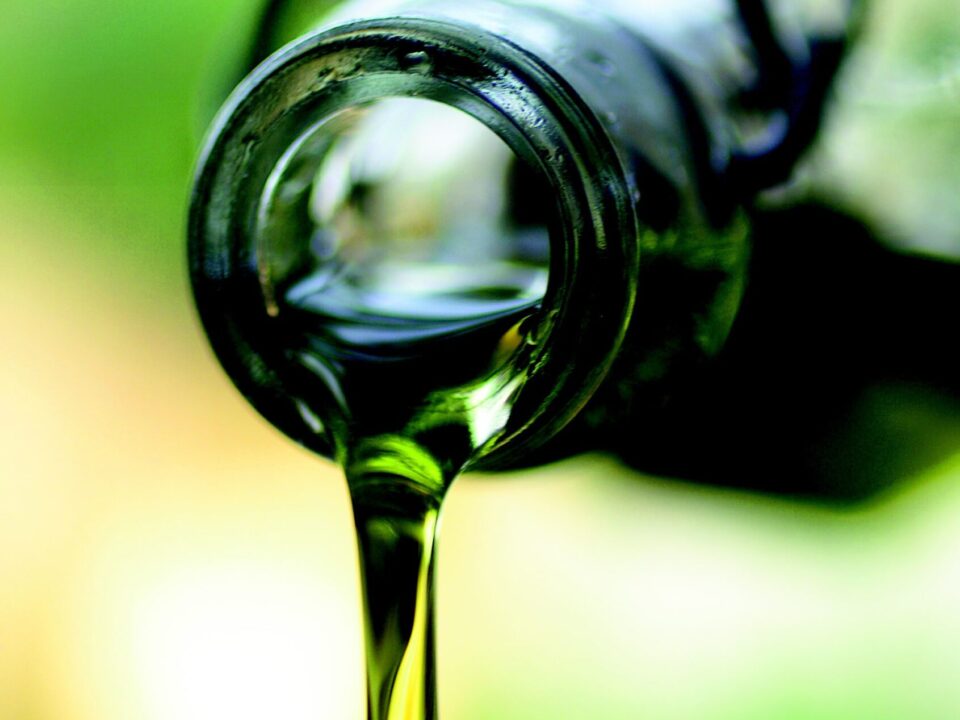
By looking at global warming through the olive crop, we can grasp the meaning of a more general phenomenon.
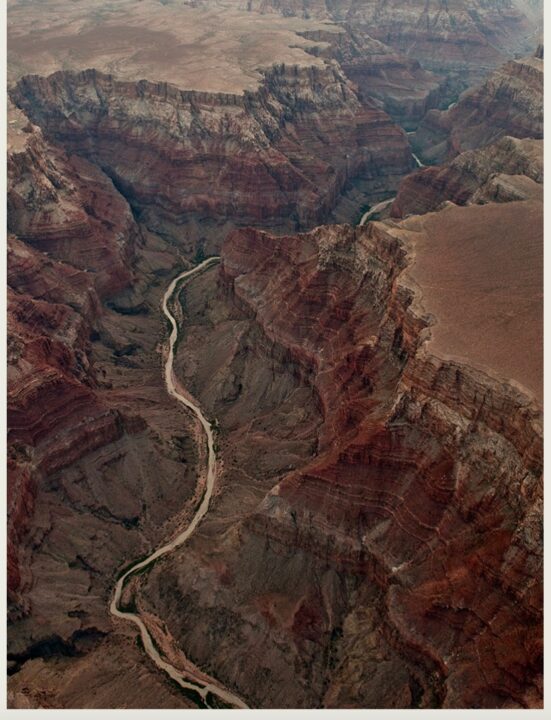
Even with a massive water crisis, the states that need the Colorado River have been unable to make the necessary tradoffs.
While we can look at India's noisy cities for extreme examples, everywhere, car horns and traffic sounds harm us.
Looking back at the devastation from Katrina and Sandy, economists can explain why superstorm planning remains inadequate.