
How To Upset Ride-Share Markets
July 29, 2026
What We Can Learn From a Big Mac
July 31, 2026
Called the diamond water paradox, Adam Smith wondered why diamonds cost more than water when we need water to survive and diamonds are merely an extravagant luxury. Years later, economists had the answer.
It took them to the margin, to the cost of the next extra unit. With diamonds, we would rather have that one extra diamond and will pay a lot for it. However, with water, when there is a lot, the next extra glass, or flush, or shower costs little…
…Until we have a drought.
Low River Levels
According to the farm journal AgWeb, for every foot that a river water level sinks, a barge can carry 7.000 fewer bushels of soybeans. (Boats need to be lighter so they do not scrape the river bottom.)
Because of a western European heat wave, Rhine River water levels are down. With reduced cargo capacity, ships traveling with commodities between Duisburg and Cologne have been close to 15-20% full. As a result, spending extra money, shippers need additional boats to carry leftover cargo and implement faster turnover. Correspondingly, costs are up from around €45 to €125 ($136.8-142.5) a ton.
Shippers using the Mississippi River in the United States have faced a similar plight. During May, freight rates from St. Louis were 77% above their three-year average for the corn, soybeans, and wheat that travel along the river.
Our Bottom Line: The British Coastline
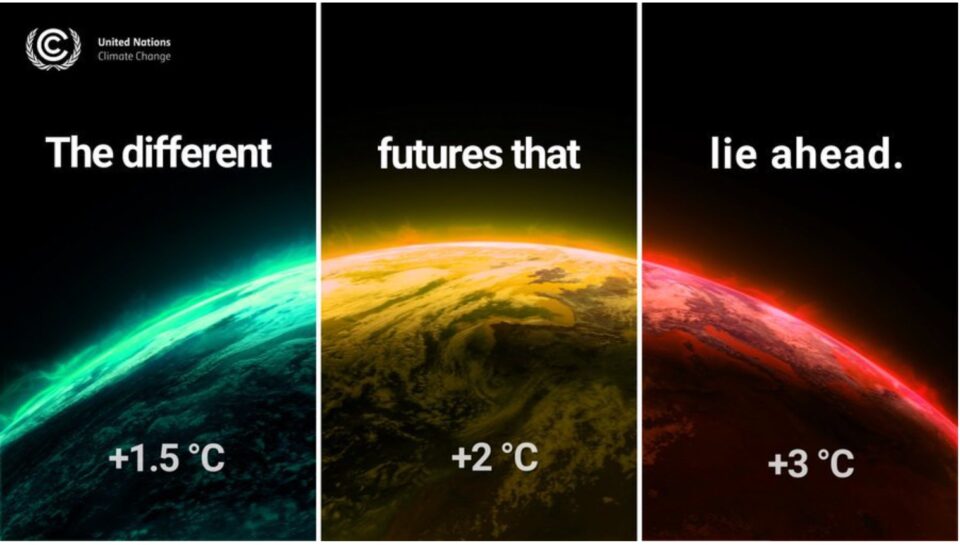
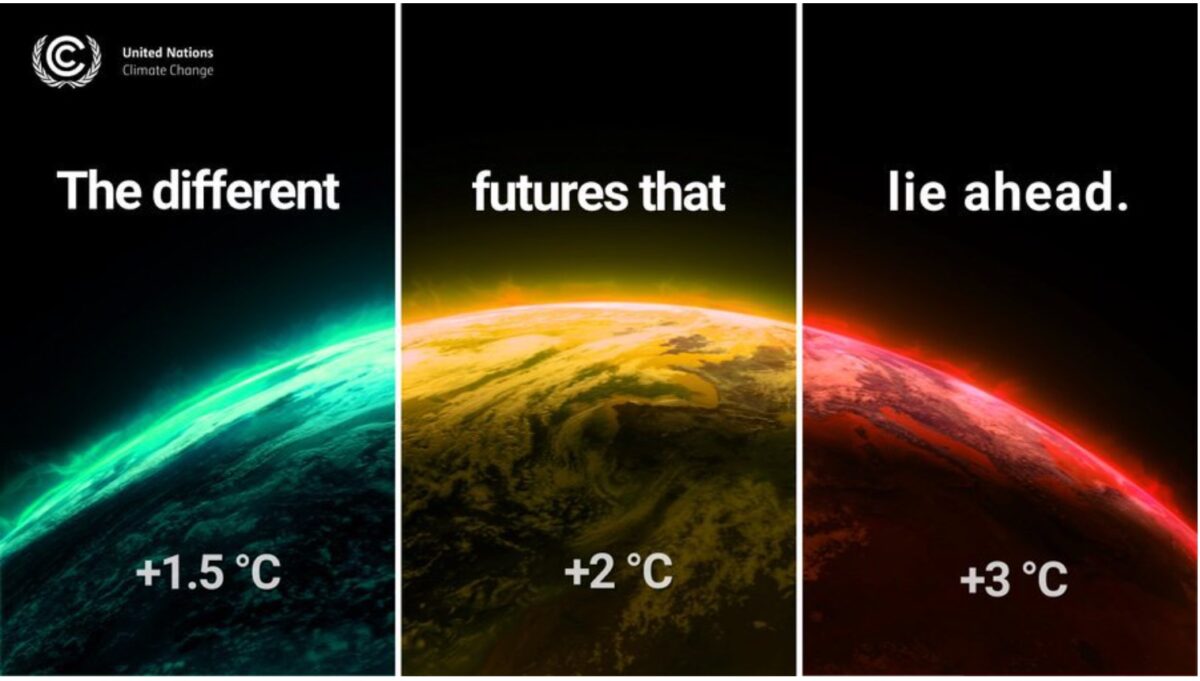
When we talk about Global Warming or Climate Change, our perspective is distant, rather like looking at the earth from space. However, when we bring our lens in closer, over and over again, we see multiple specific impacts that start with sinking river levels.
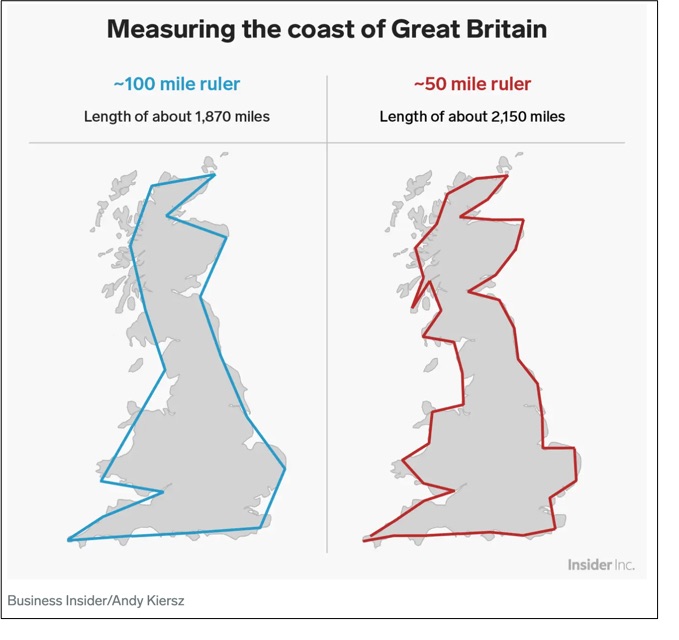
Remaining with water, we can look again at the British coastline. The closer we look, the more we see as it gets longer:
My sources and more: The Rhine’s water levels have been the focus in multiple news articles. Yahoo Finance had some facts as did Reuters. and HoosierAG Today.
Please note that several of today’s sentences were in a past econlife post.