October 28, 2025
Having narrowed for decades, the gender pay gap recently began to expand because of a slew of traditional reasons.
Having narrowed for decades, the gender pay gap recently began to expand because of a slew of traditional reasons.
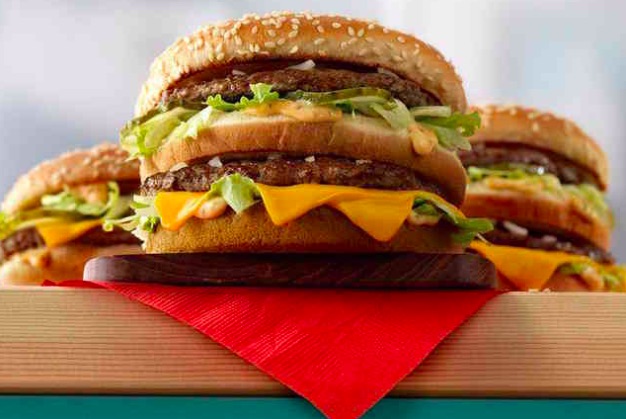
For wages, hoping accurately to compare "apples to apples," we can go to McDonald's for a McWage and a BMPH (Big Mac Per Hour) Index.
Comparing the W.N.B.A. to the N.B.A. and Fortune 500 female CEOs to male CEOs, we see that women are underpaid and underrepresented.
Looking at countries, The Economist and then for cities, Bloomberg/Businessweek told us the best places for women to work.
Among the S&P 500's highest executives, the CEO pay gap remains although some median statistics say women earn more.
Citing the gender pay gap, we can step back to see how women are constrained as they try to ascend the corporate ladder.
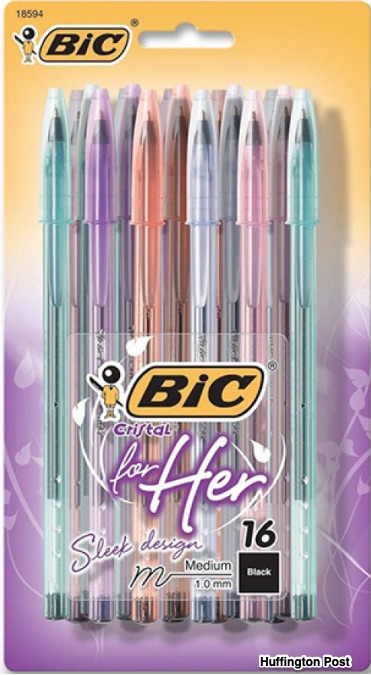
Usually summarized by one percent, the gender pay gap is so much more complex when we look at a slew of other variables.
For work that spans half a century whose message is timeless, the Nobel committee awarded this year's Economics Prize to Claudia Goldin.
Through Women's World Cup football, we can see how a male bias created a gender pay gap and shoe discomfort.
While different metrics show us that gender gaps are shrinking, still, globally, substantial gender differences create underutilization.
New York City's new pay transparency mandate could narrow a race and gender pay gap but also could have unintended consequences.