
August 8, 2015

August 8, 2015

Our everyday economics includes central planning, unintended consequences, comparative advantage, transportation infrastructure, cost & developing nations.
August 7, 2015

In government, business and at home, the performance metrics we create always are accompanied by incentives that create unintended consequences.
August 4, 2015
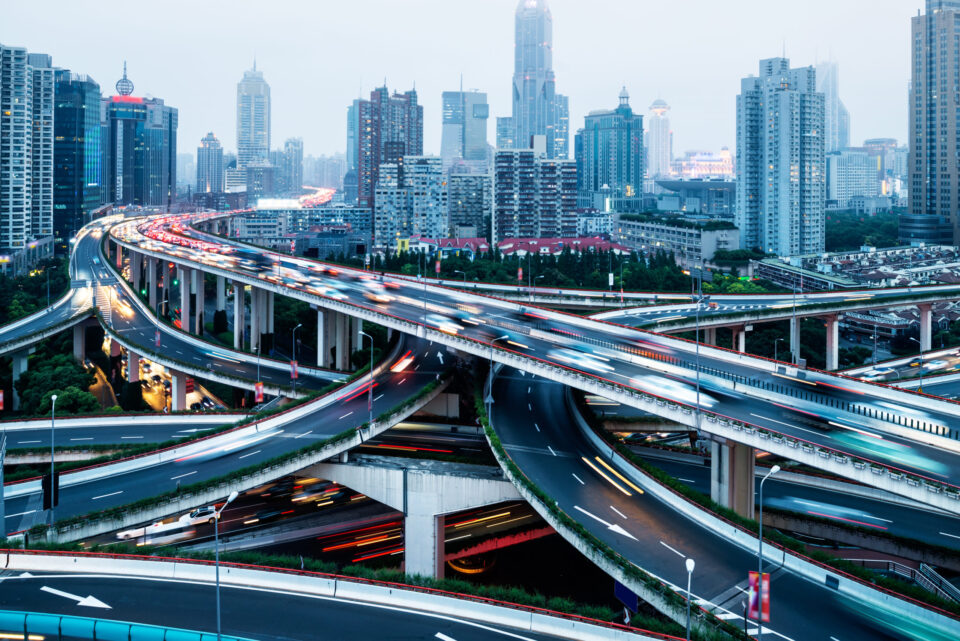
Using road design as an example, we can show how innovation in our transportation infrastructure can improve productivity.
August 3, 2015

As we improve our transportation infrastructure, the roundabout has become increasingly attractive because of safety, ease and cost.
August 2, 2015

A production possibilities graph can display the land, labor and capital underutilization that inadequate sanitation creates and indicate a constrained GDP.
August 1, 2015
Our everyday economics includes wages, externalities, productivity, income, tradeoff, taxes, fiscal policy, gender, human capital and comparative advantage.
July 30, 2015

Because the presence of women in Major League Baseball (MLB) management positions is very small, they have diminished their talented human capital supply.
July 29, 2015

Because of a low gasoline tax, the Highway Trust Fund does not have enough money to maintain the transportation infrastructure of highways and mass transit.
July 25, 2015
Our everyday economics includes productivity, markets, prices, externalities, social norms, distribution, scarcity, environment, regulation, monetary union.
July 24, 2015

Although people in the eurozone want a single currency and their leaders want unity, monetary union problems create political distrust and disunity.
July 23, 2015










Weighing cost and benefit for Seattle's recycling environmental regulation involves privacy, dollars, time, and respect for the law and our environment.