July 22, 2015
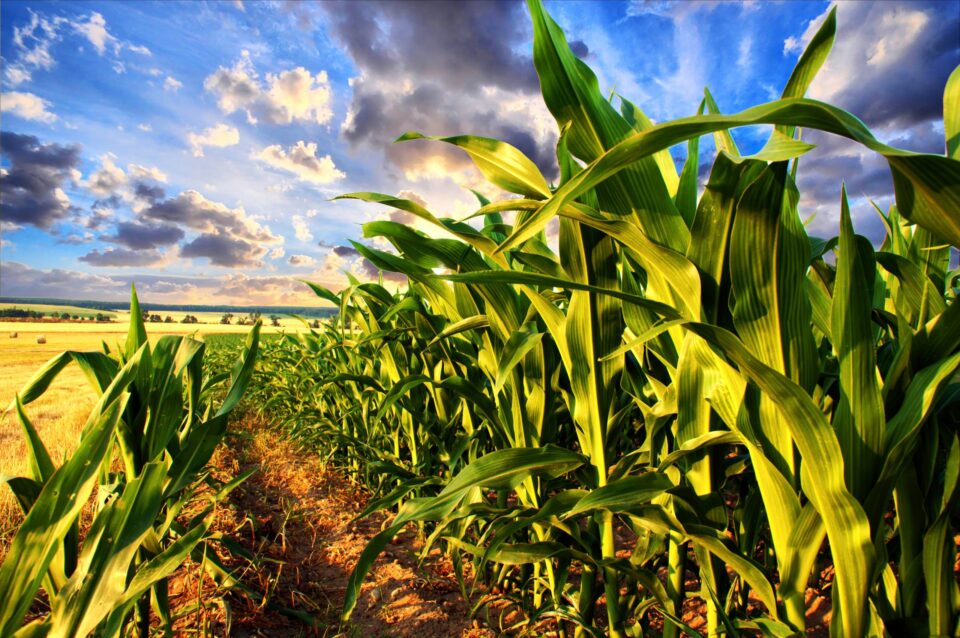
Focusing on production and distribution, economists look at the role of markets and of government when they try to determine what causes and ends famines.
Focusing on production and distribution, economists look at the role of markets and of government when they try to determine what causes and ends famines.
Our everyday economics includes risk, externalities, purchasing power, complementary goods, capitalism, money supply, human capital, and innovation.
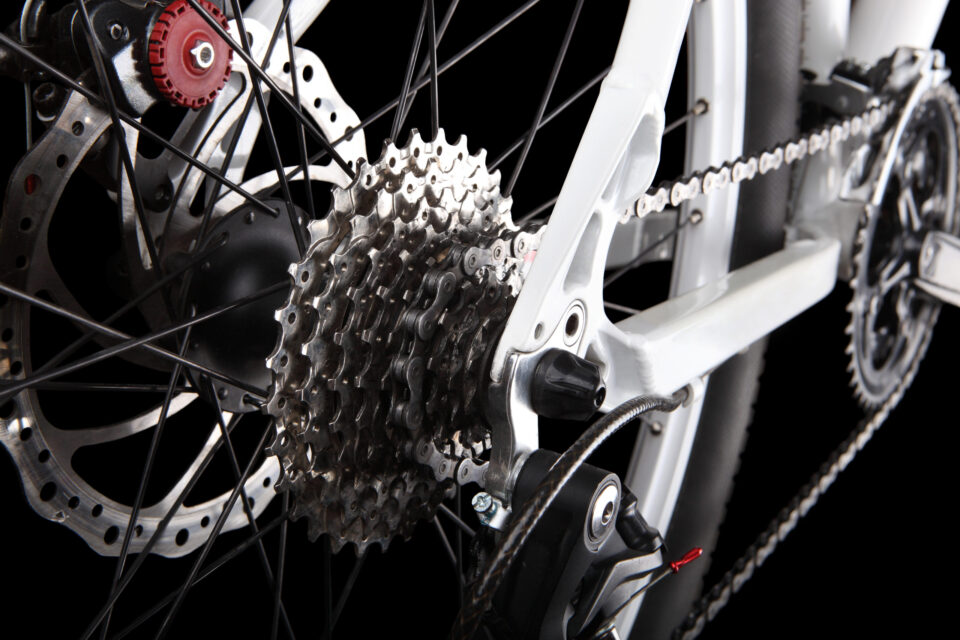
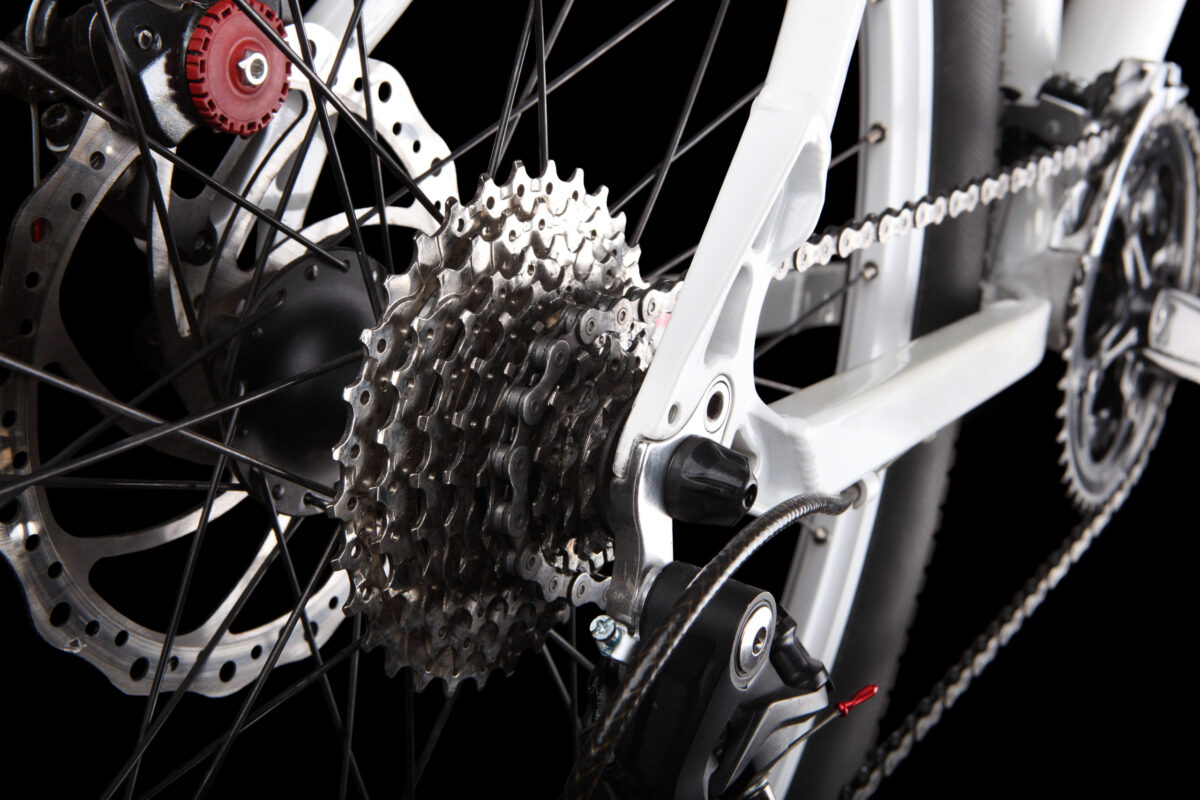
As an innovation, the bicycle was a stepping stone that helped human capital move onward to other inventions like the airplane, the auto and better roads.
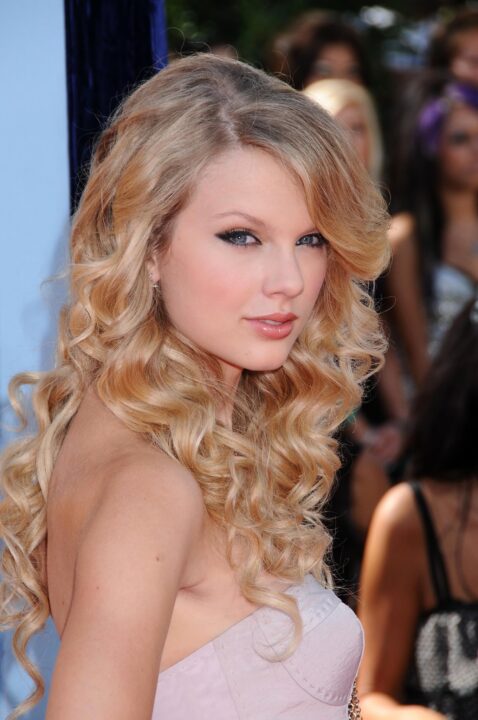
By asking Apple to pay her and other artists when customers get their music for free displays Taylor Swift's understanding of the basics of capitalism.
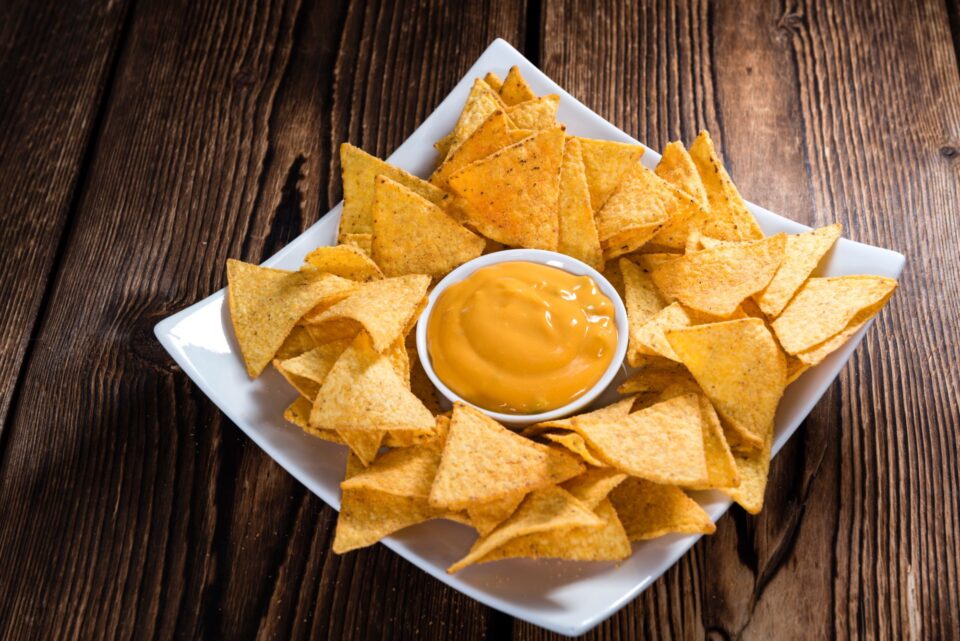
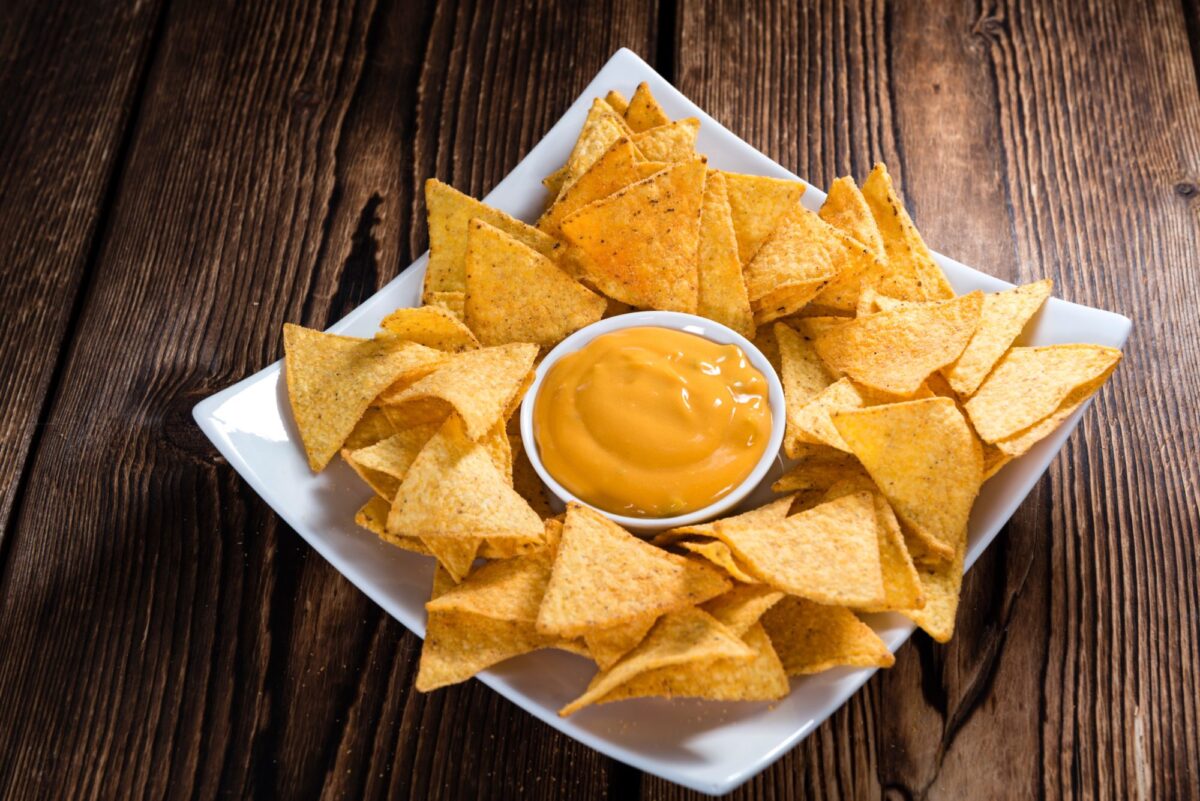
For complementary goods and services like cheese and chips, peanut butter and jelly or weddings and bridal gowns, their demand rises and falls together.
Our everyday economics includes development, automation, taxes, fiscal policy, GDP, entitlements, entrepreneurs, negative externalities and environment.
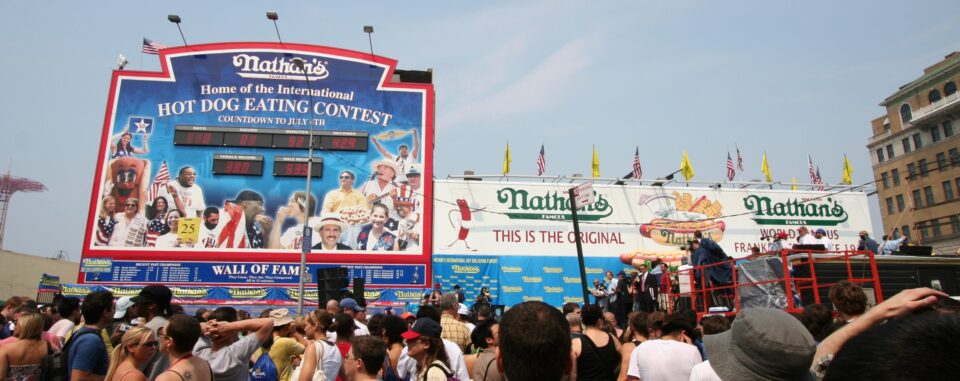
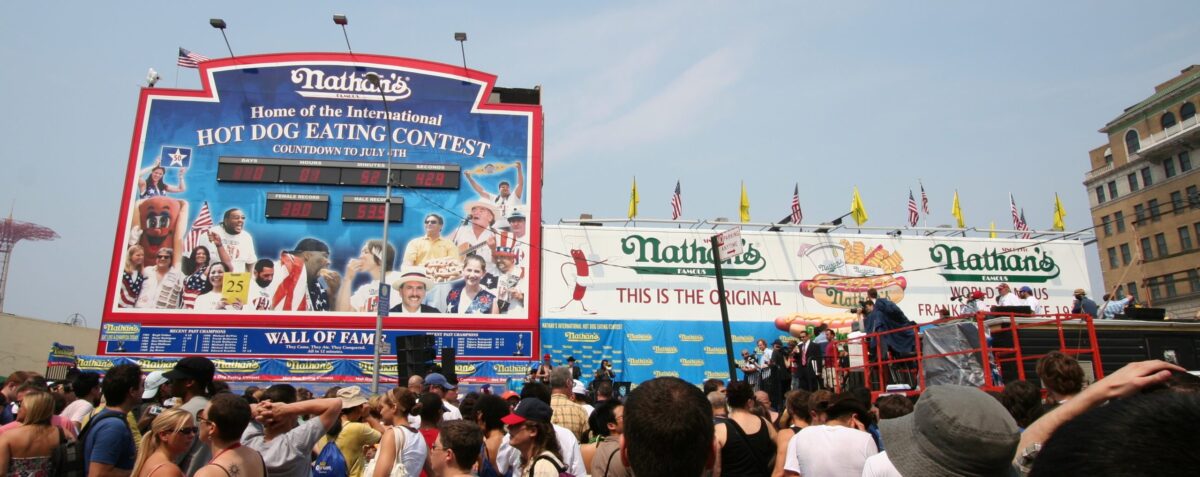
Bringing innovation to speed eating, hot dog eating champ Takeru Kobayashi displayed the characteristics of any entrepreneur.
Among the least popular forms of taxation, property taxes are the most desirable because of their incentives, whom they target and their resilience.
As the automation of airplanes and autos increases, human capital questions have to be answered about whether we are safer when people know more or less.
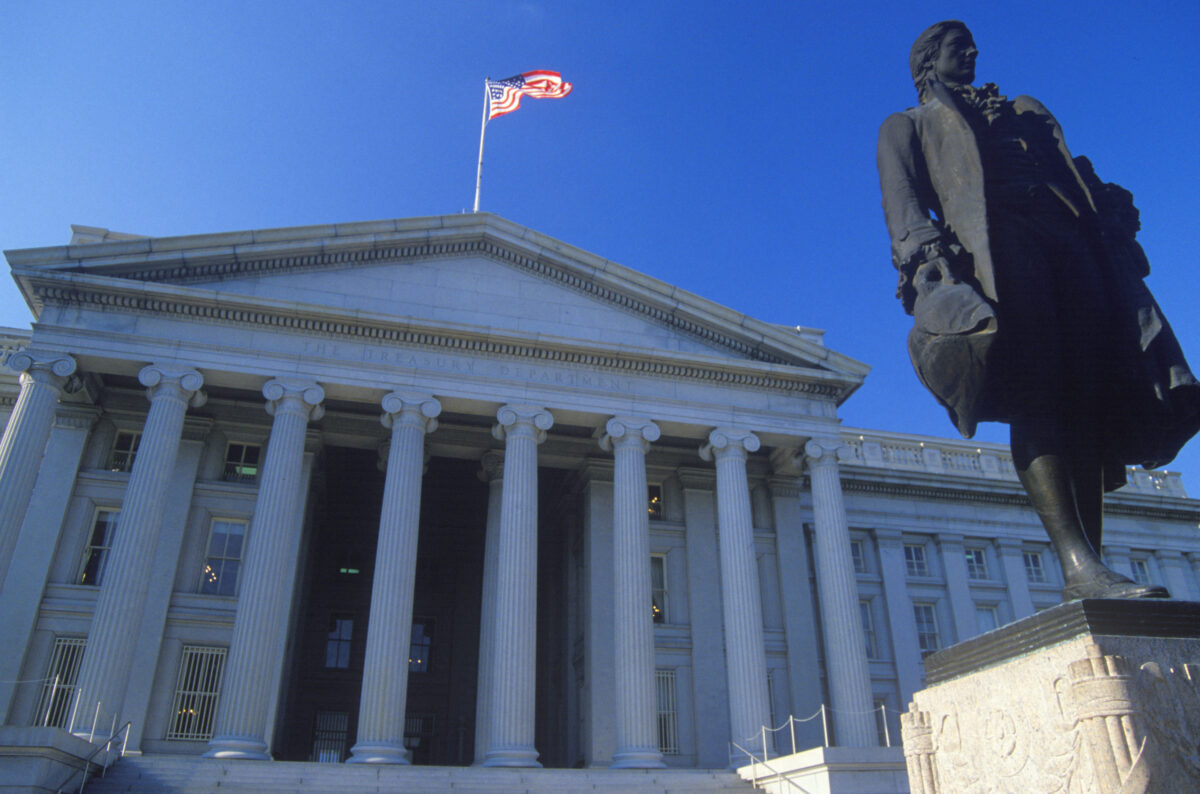
When independence is about political freedom, the U.S. needed Alexander Hamilton's development program for the economic strength that made it truly free.
Our everyday economics includes social norms, tradeoffs, financial intermediaries, human capital, sovereign debt, externalities,labor markets, & gender gap.
Comparing debt to GDP is like looking at a mortgage loan and household net worth. It can help us decide when a sovereign debt became too large.