May 9, 2019
#TBT: Looking at kitchen history on this Throwback Thursday, we can decide what a new kitchen from the 1920s says about us.
#TBT: Looking at kitchen history on this Throwback Thursday, we can decide what a new kitchen from the 1920s says about us.
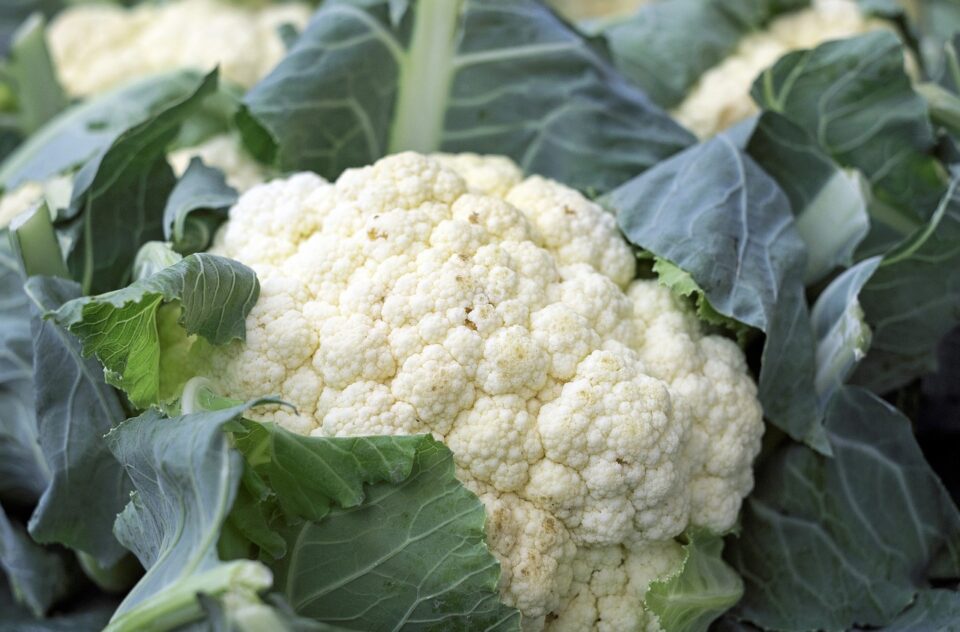
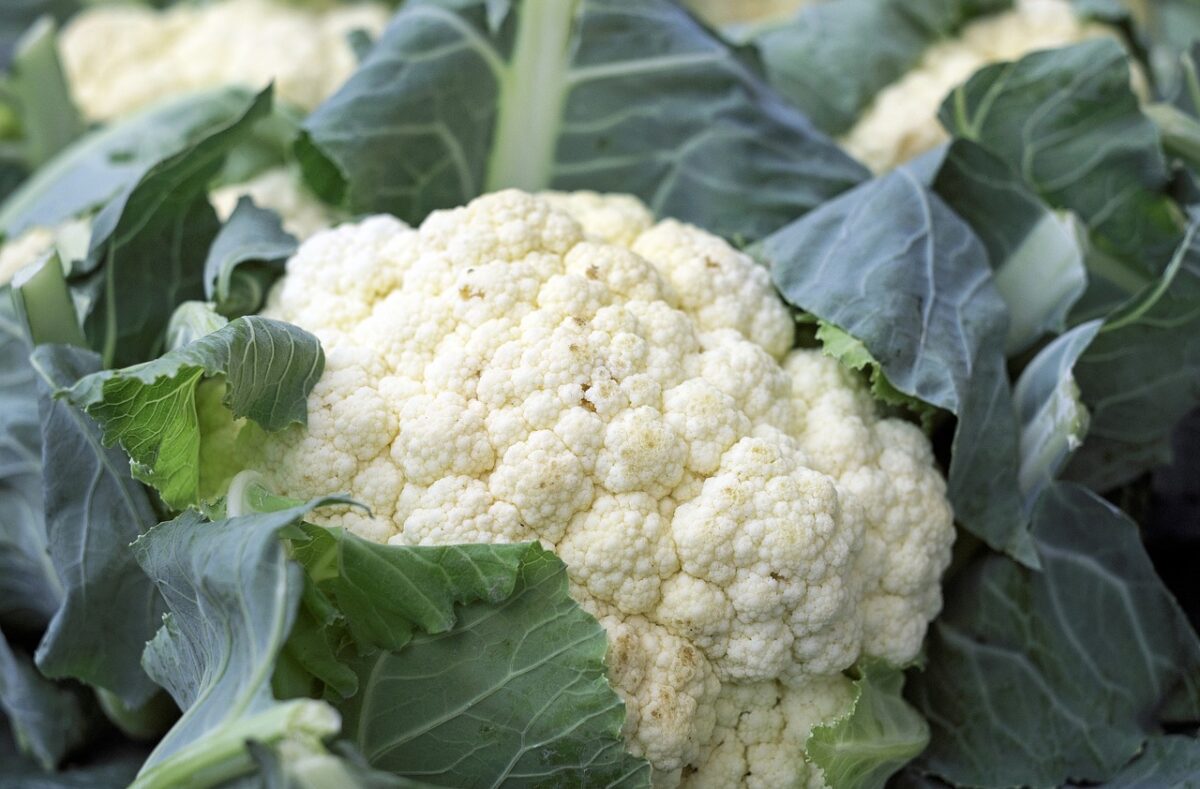
The farmers who produce rice, milk, and meat have sought to ban the food labels used by cauliflower rice, almond milk, and plant-based meat makers.
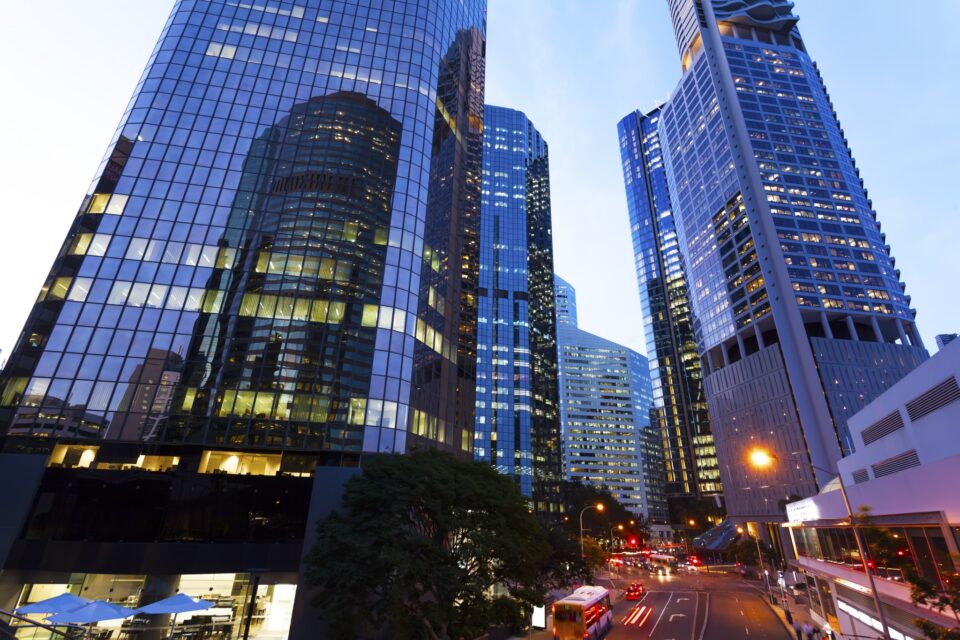
While we see similar tastes and shopping patterns in the world's most expensive cities, the reasons for a high and low cost of living vary.
Although many of us express a willingness to pay more for green products, a close look reveals that price can still have a big impact on our decision.
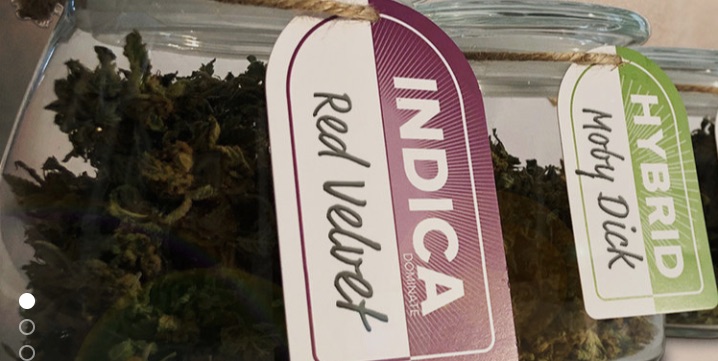
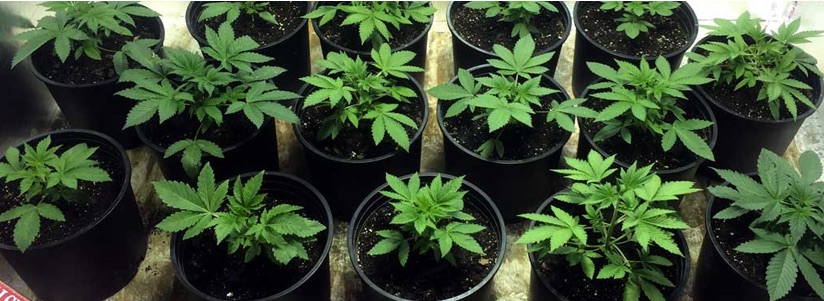
When Massachusetts voters said yes to legal marijuana, they made an economic decision that relates to competition, taxes, and banking.
Recent research explains that our yogurt choice fatigue at the supermarket is rather similar to what we experience when buying a car.
Reflected by duffle bags filled with cash, marijuana's financial services problems demonstrate why we need banks and other financial intermediaries.
After closing all of their Panera Cares Cafes where customers were supposed "pay what you want," Panera might have a problem with the IRS.
While Kenji Lopez-Alt perceived his new restaurant through a food writer's lens, an economist would see it somewhat differently.
By avoiding repugnant transactions like selling foie gras or human organs, we are eliminating the benefits of the market.
Whether we are buying Heinz ketchup from a supermarket or a coupon from a Manhattan parking garage, money and time will shape our shopping behavior.