March 8, 2019
Using a multi-disciplined lens, the University of Washington's most recent study of Seattle's $15 minimum wage conveyed considerable insight.
Using a multi-disciplined lens, the University of Washington's most recent study of Seattle's $15 minimum wage conveyed considerable insight.
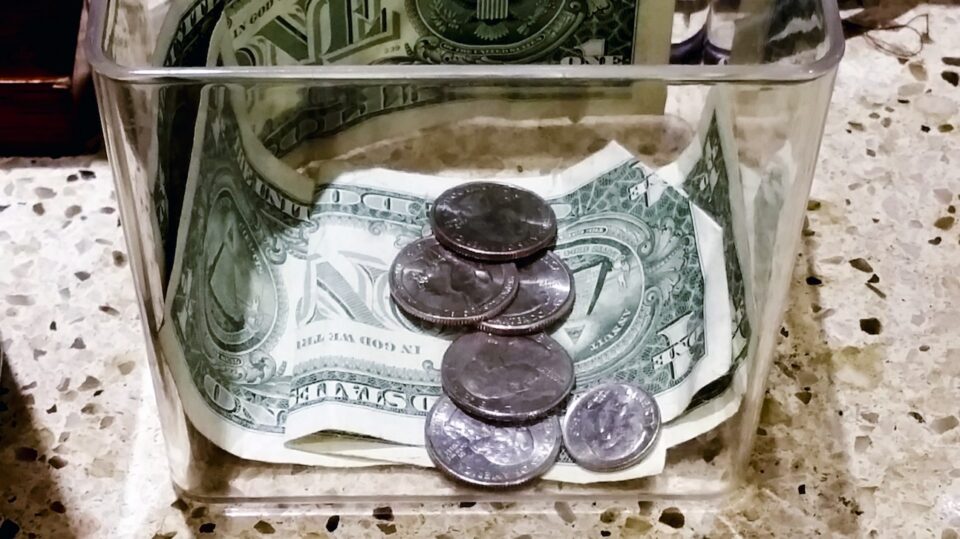
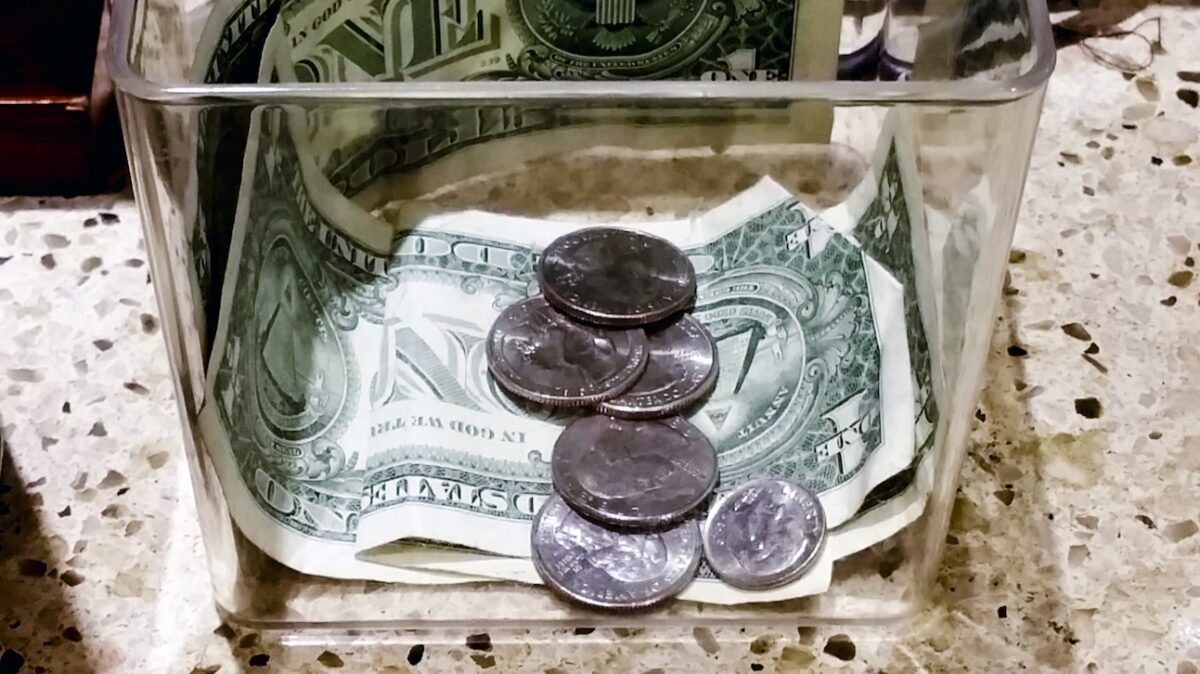
Disliked by many as discriminatory, inconvenient, and even embarrassing, tipping is a paradox because it refuses to disappear.
Ranking the global warming readiness of the largest consumer product companies, a climate change research group tells us where to be concerned.
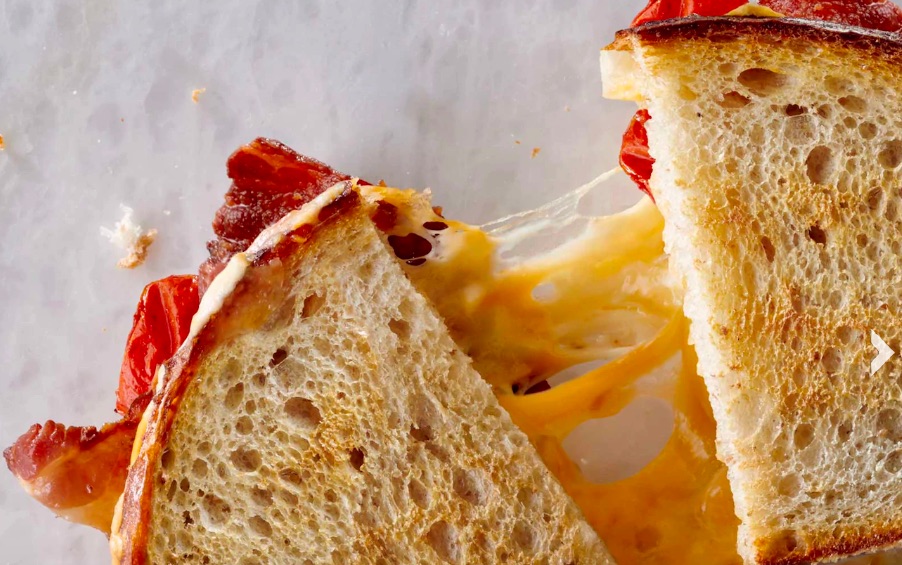
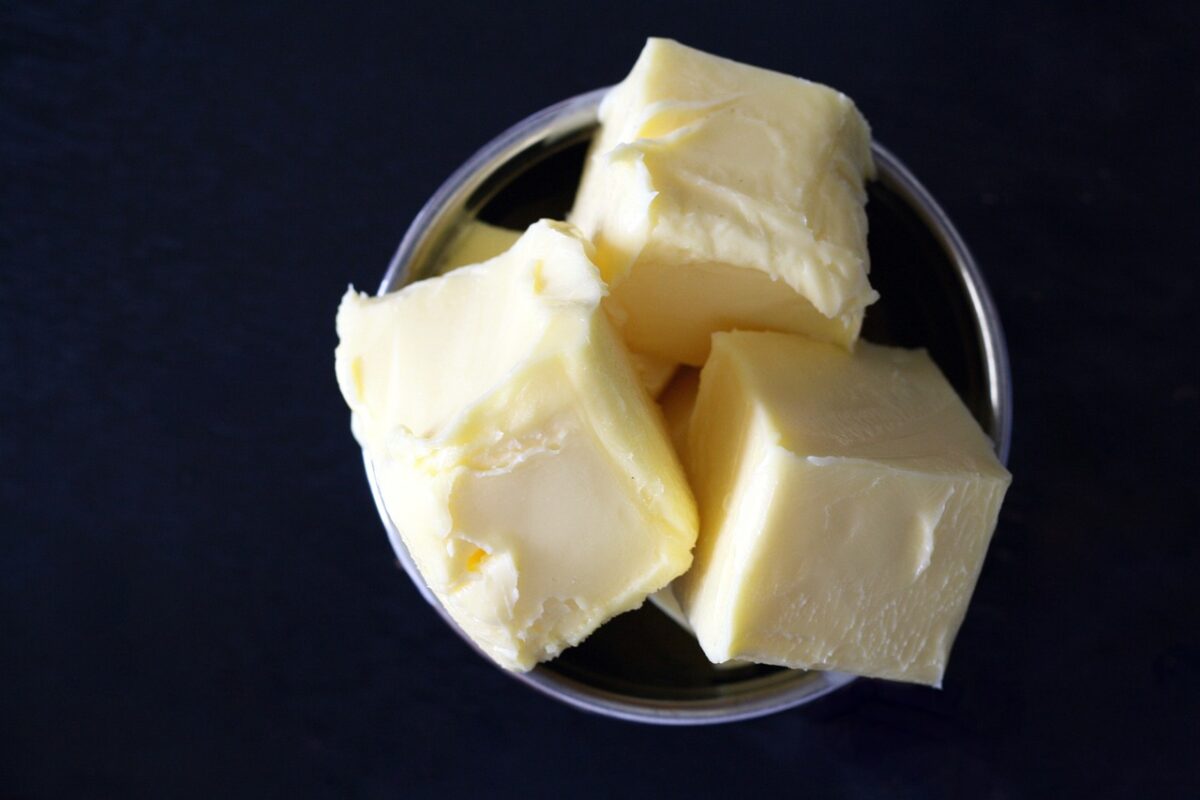
With the switch in our diet to larger portions and high fat foods, we have seen certain prices rise and regulatory policy change.
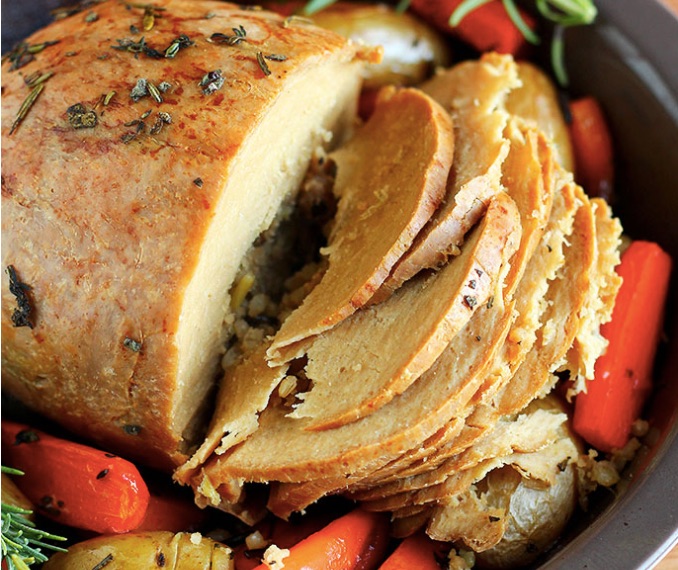
Ranchers and poultry farmers are supporting legislation that requires lab-made meat labels to indicate the product is not real meat.
Through six simple facts, we can better understand the meaning of Venezuela's hyperinflation and how much it has diminished production.
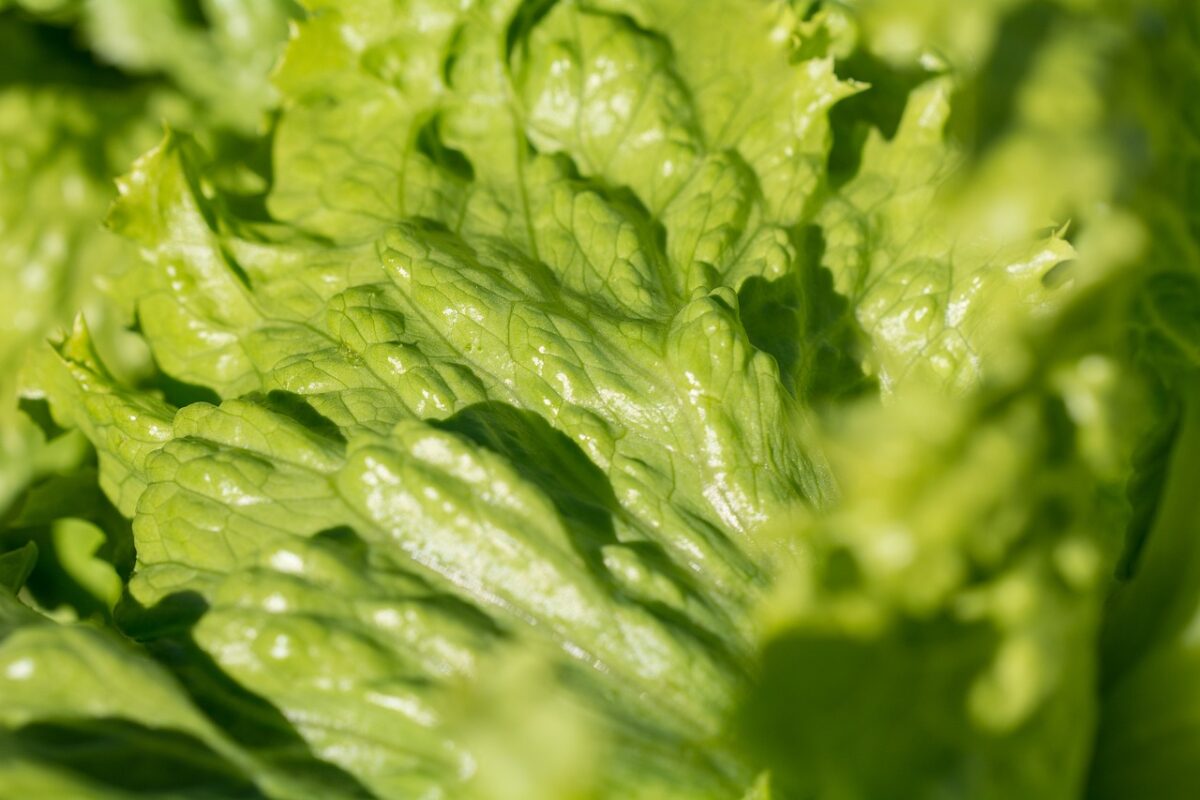
Thinking of wilted lettuce, moldy strawberries, and a slower trip from the Hook of Holland to Harwich, England, we can see the impact of Brexit.
Unexpectedly, Panera's pay-what-you-want cafes couldn't bring together the normal lunch crowd and people who could not afford a meal.
Hearing the Clemson University football team got 300 burgers at the White House, an economist might name the resources needed for a quarter pounder.
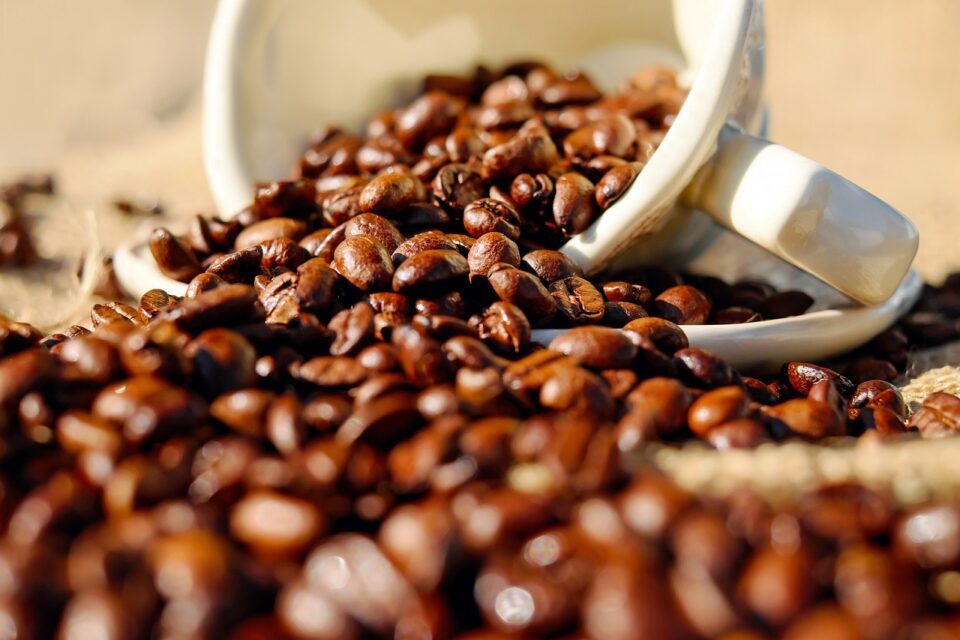
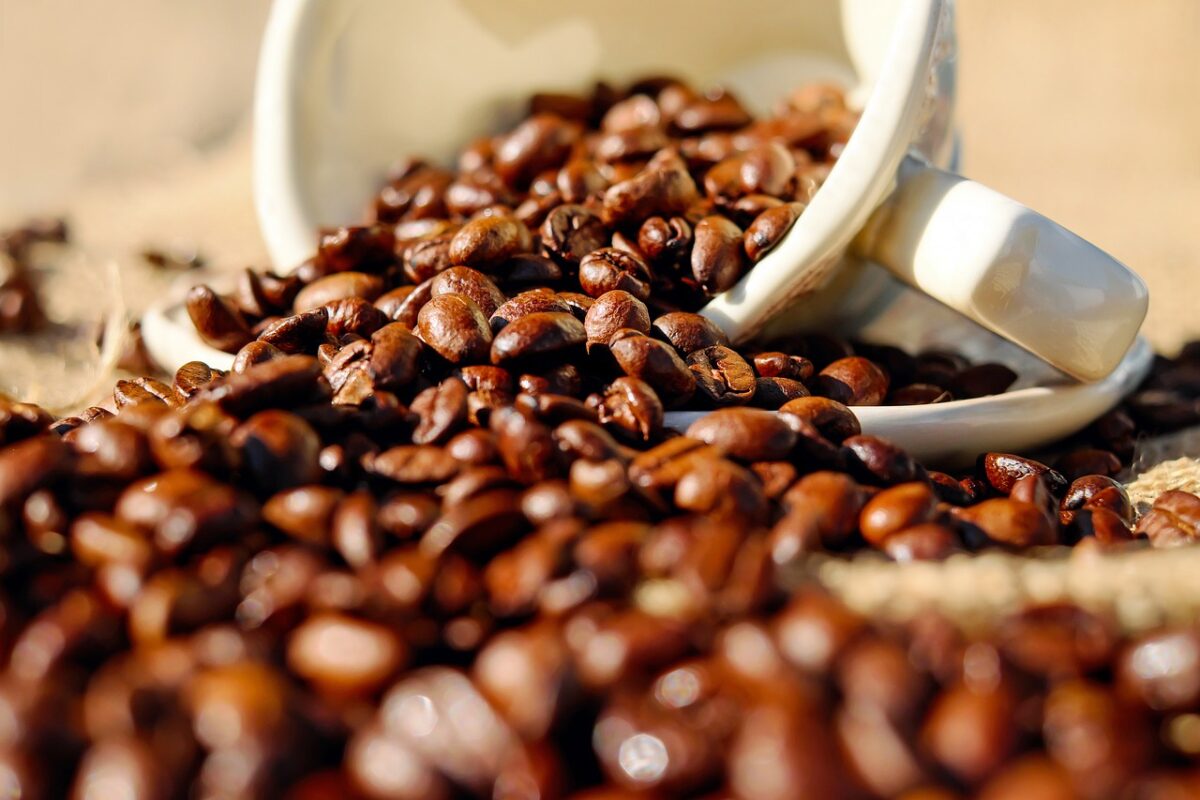
Our six facts about coffee drinking take us to topics that range from its slosh, to the impact of mug colors, to instant and fresh coffee.
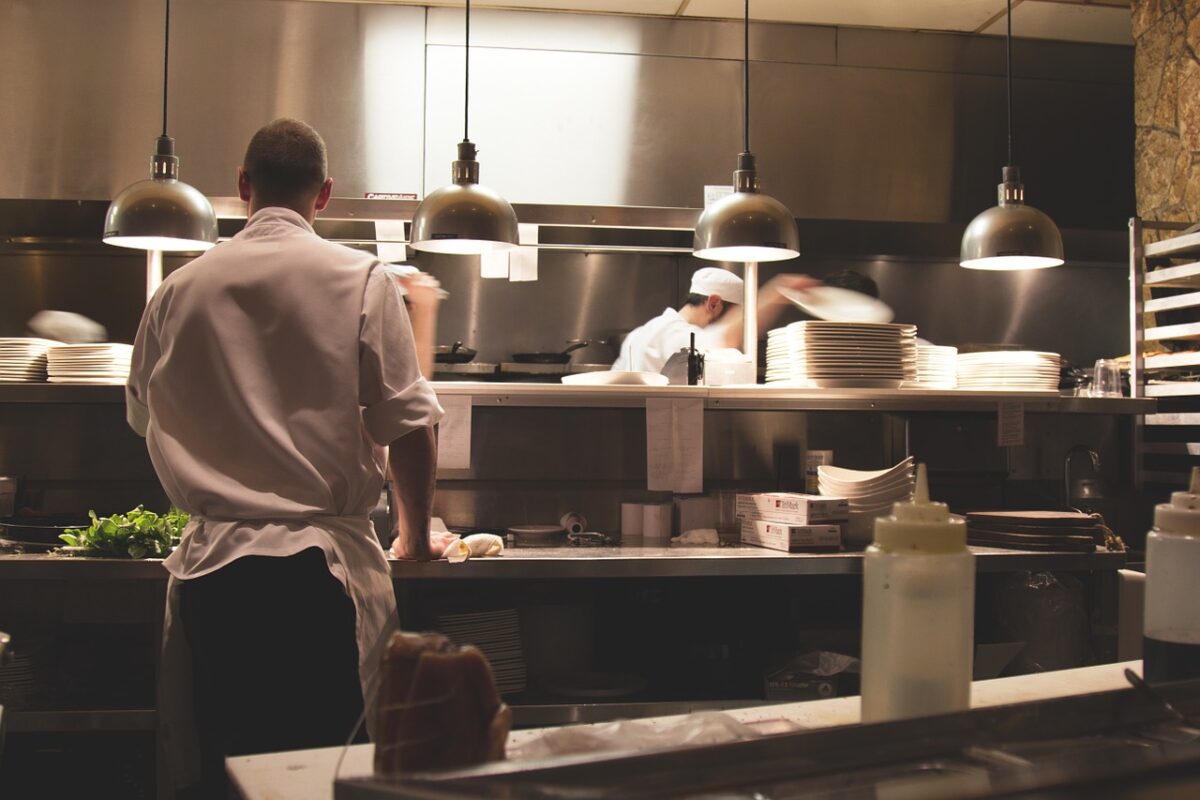
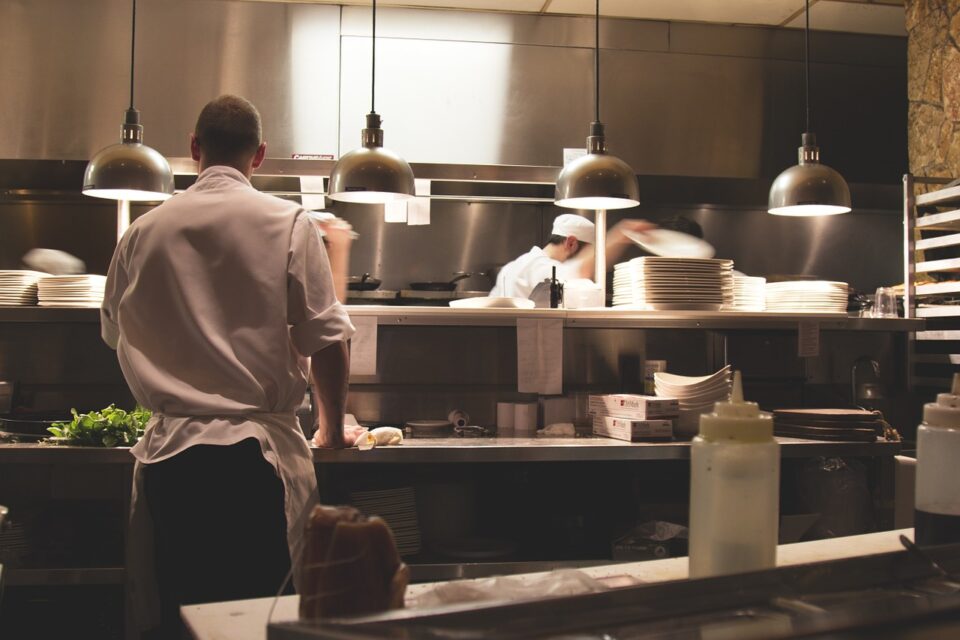
Inadequately supported, the food, drink, and entertainment businesses in a city's night time economy can be a valuable source of economic growth.