October 9, 2018
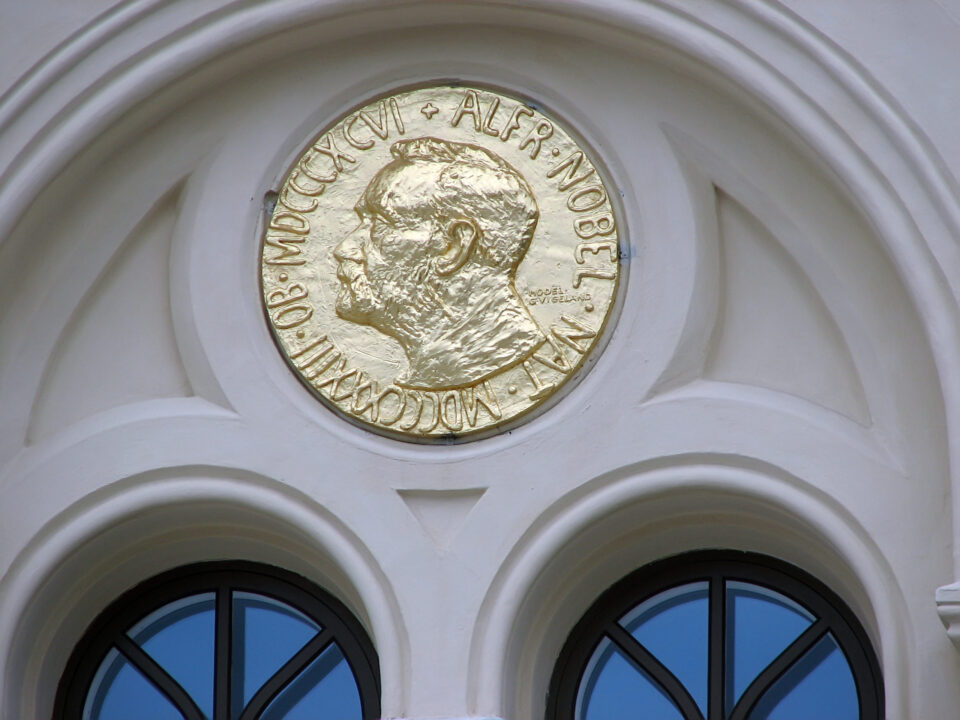
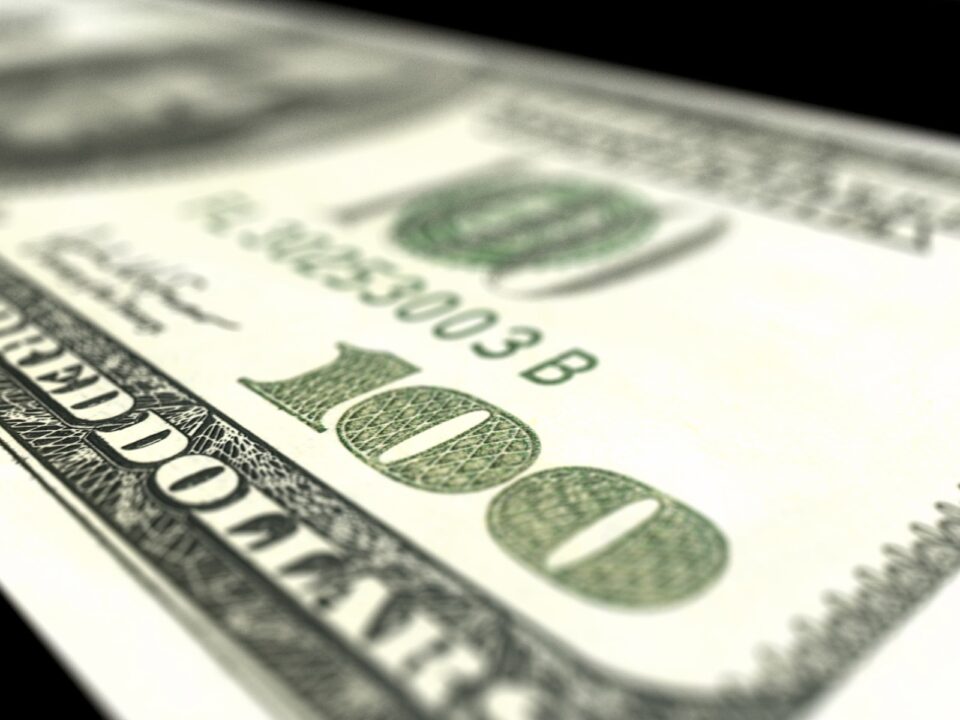
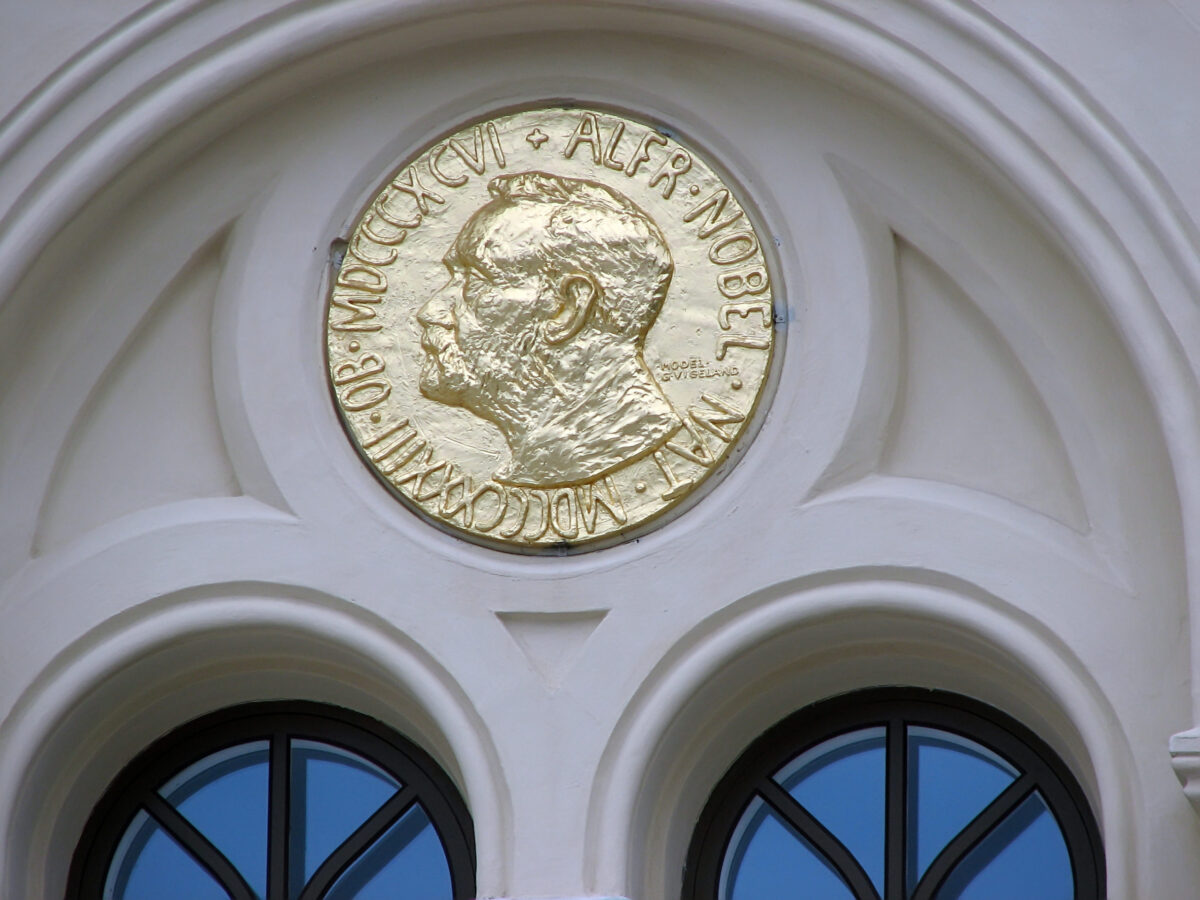
First awarded more than 70 years after the original Nobel Prizes began, the Nobel Economics Prize is worth some unexpected extras.
First awarded more than 70 years after the original Nobel Prizes began, the Nobel Economics Prize is worth some unexpected extras.
By identifying the moral limits of markets, we can decide what should and should not be sold...like wedding tickets and high grades.
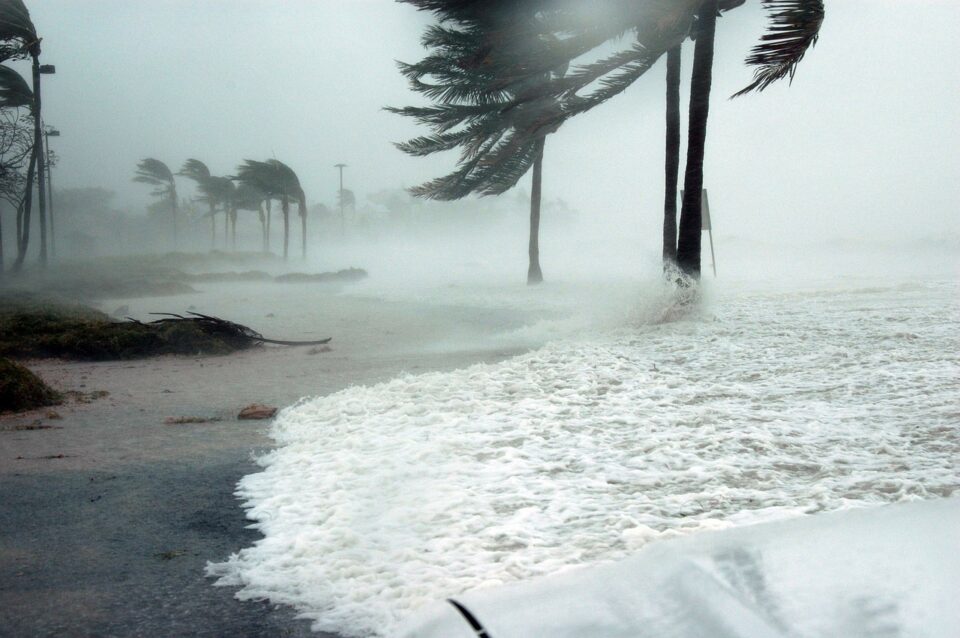
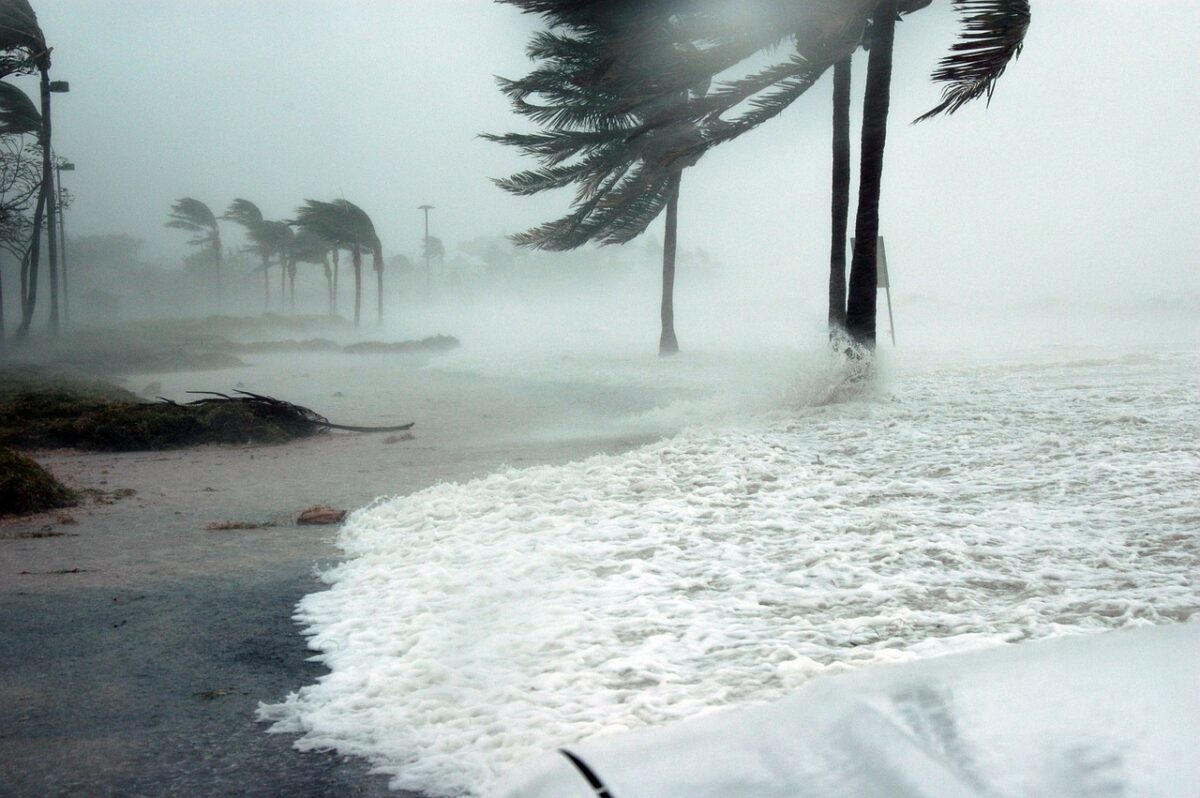
When natural disasters like hurricanes, massive snowstorms, and wildfires strike a region, their economic impact is far more than the clean-up.
Usually associated with jobs, now the outsourcing that relates to carbon emissions embedded in globally traded goods will be limited by California.
While we know that overused resources can include the ocean, the air, and a pasture, we also should include beaches and seats.
Using old containers from cargo ships, commercial urban farmers are growing hydroponic mini-lettuces and even strawberries in warehouses and garages.
Sometimes you need an economist who figures out how to improve Senegal's sanitation by getting more people to use toilet suckers.
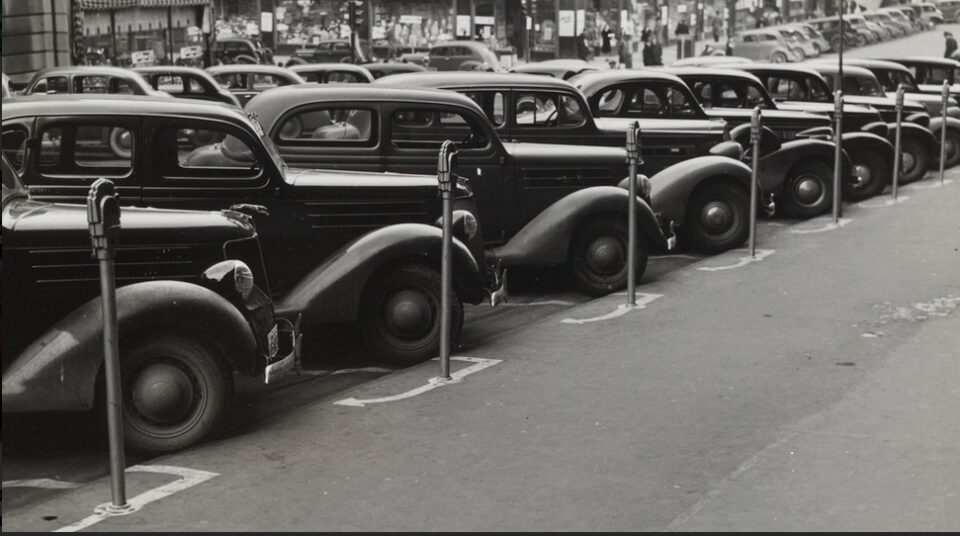
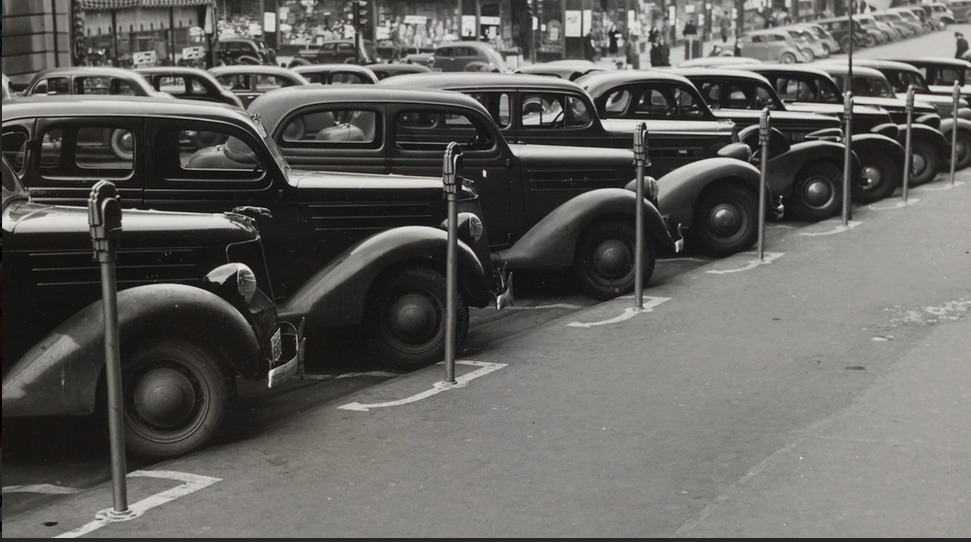
While the cost of free parking in New York City is rather huge, it can be offset by what was a seemingly insignificant and irritating innovation.
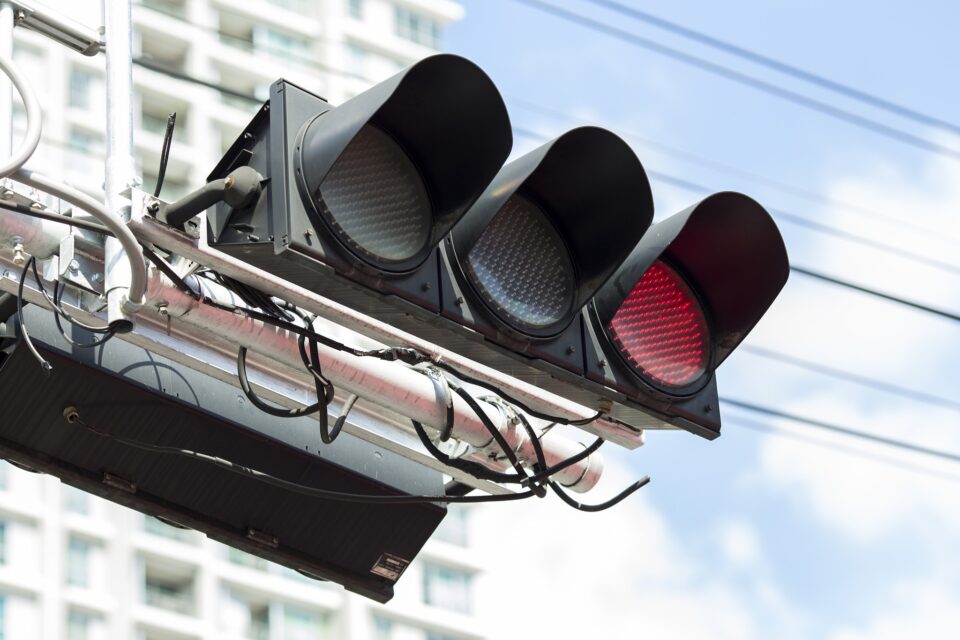
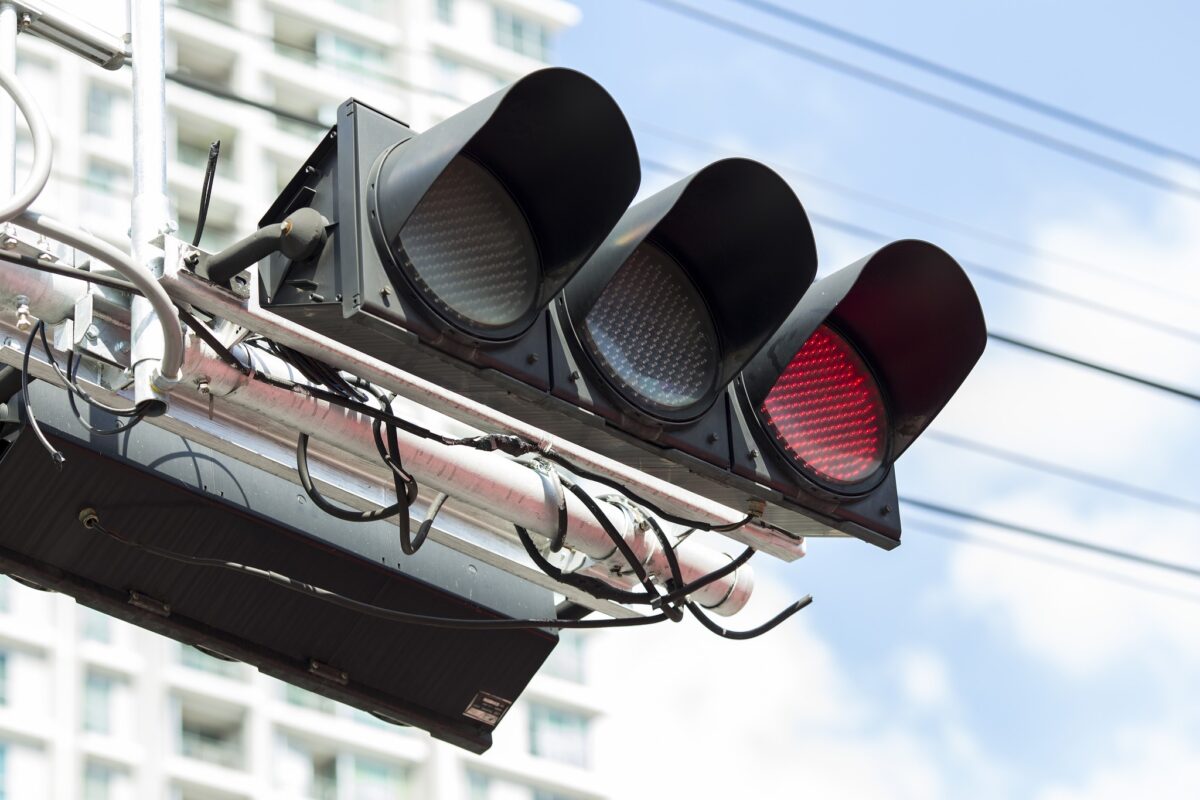
When no traffic lights on the island of Nantucket has created good will among strangers, it also might show the limits of Adam Smith's laissez-faire.
The market's message from bee pollination prices has minimized the impact of colony collapse disorder (CCD) on our Big Mac.
You have a regulatory dispute when North Carolina's hog farmers want to use their less costly manure lagoons while neighbors, objecting to the smells, want legal limits.