May 22, 2018
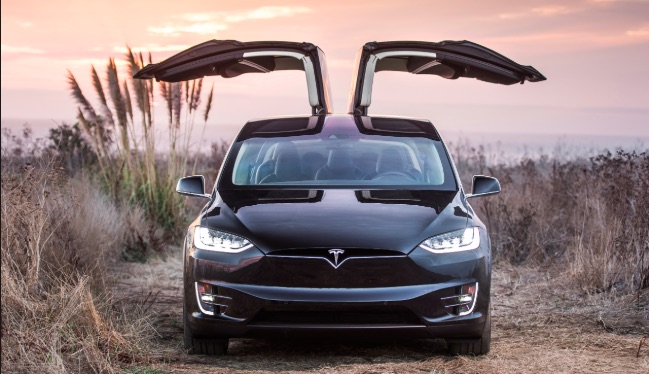
Just by looking at a $35,000 Tesla price, we can decide if Elon Musk is creating luxury vehicles or cars for the masses.
Just by looking at a $35,000 Tesla price, we can decide if Elon Musk is creating luxury vehicles or cars for the masses.
Describing why we'll have new hotel shampoo bottles, Marriott, a hotel guest, and an economist would have different explanations.
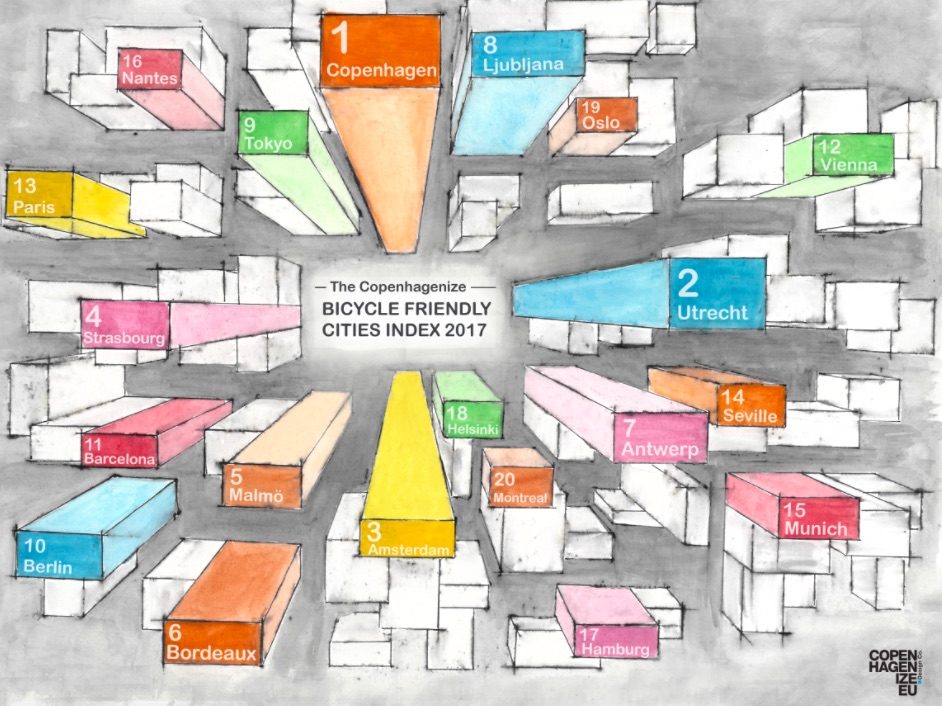
Looking at the world's most bike-friendly cities, you can see why only one city in the U.S. was among the top twenty in 2015 and none were there in 2017.
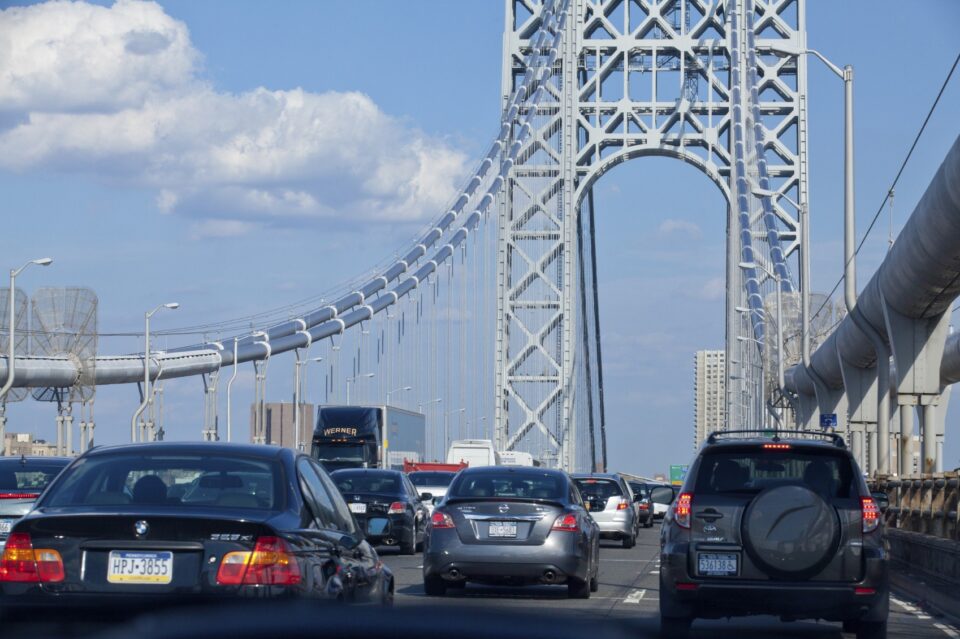
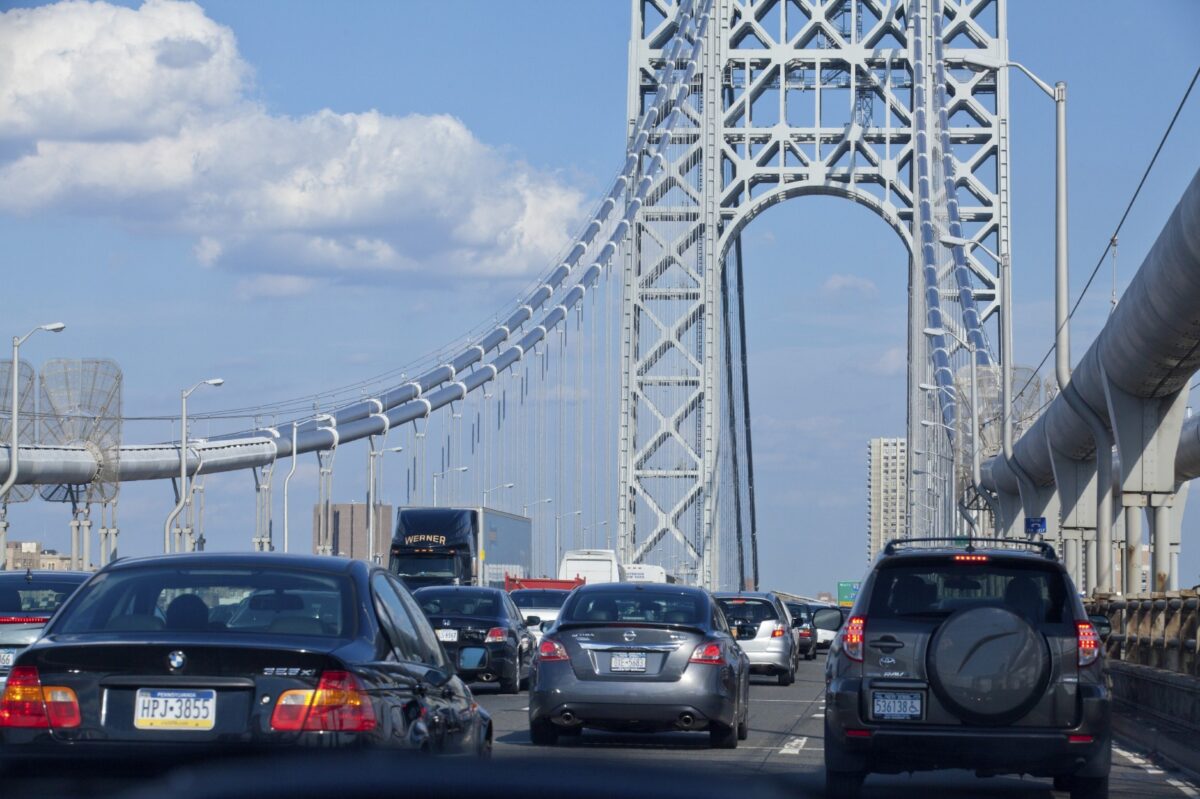
With more drivers using Waze and other traffic apps to avoid rush hour delays, local neighborhoods have begun to resist the disruption.
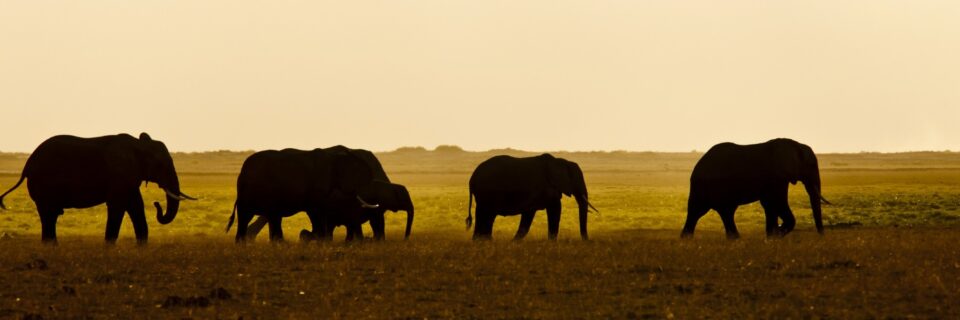
A paradox explains why our concern for wildlife conservation might not extend to the charismatic animals we most care about.
By purchasing an adult fish for thousands of dollars, the buyers of an Asian arowana were engaging in conspicuous consumption.
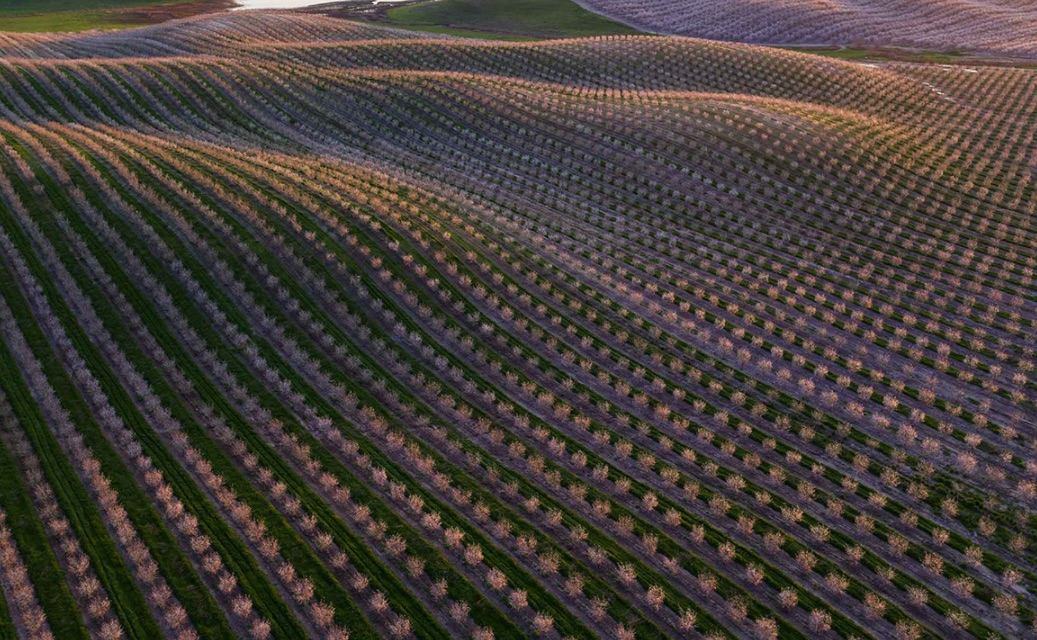
Store by store, through one aisle that has 700 items, the Dutch supermarket chain Ekoplaza will support sustainability with plastics-free grocery shopping.
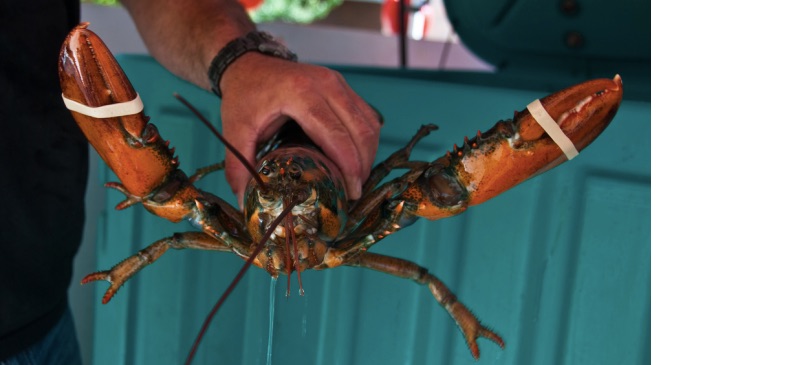
The future of North American lobster exports to the European Union was threatened when 32 "surly" reddish green lobsters were found in Scandinavian waters.
Increasing everyday sustainability, using a revolving building door rather than one that swings would add less to our individual carbon footprint.