June 1, 2015
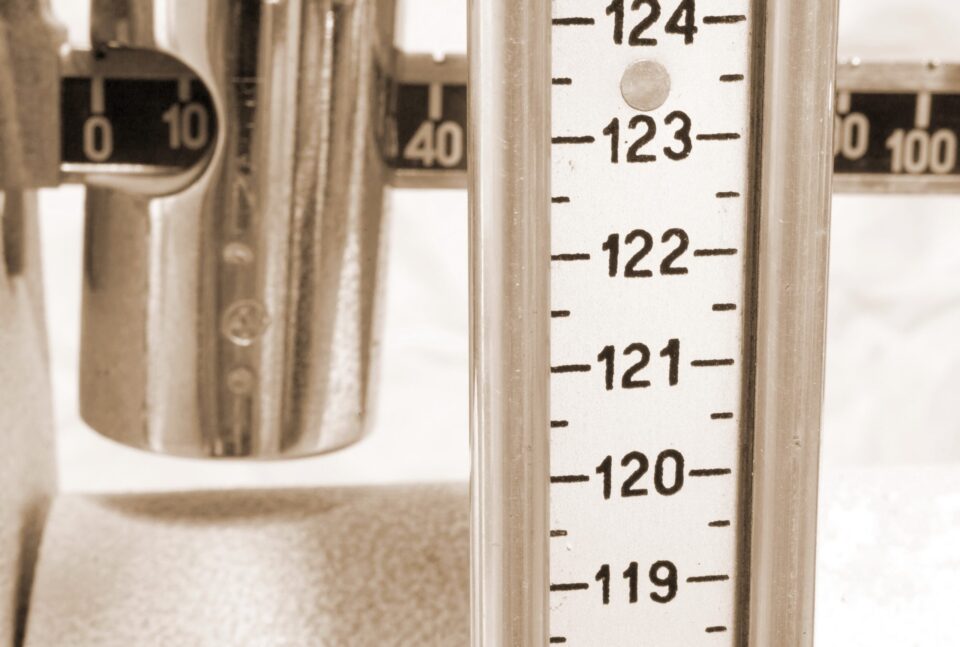
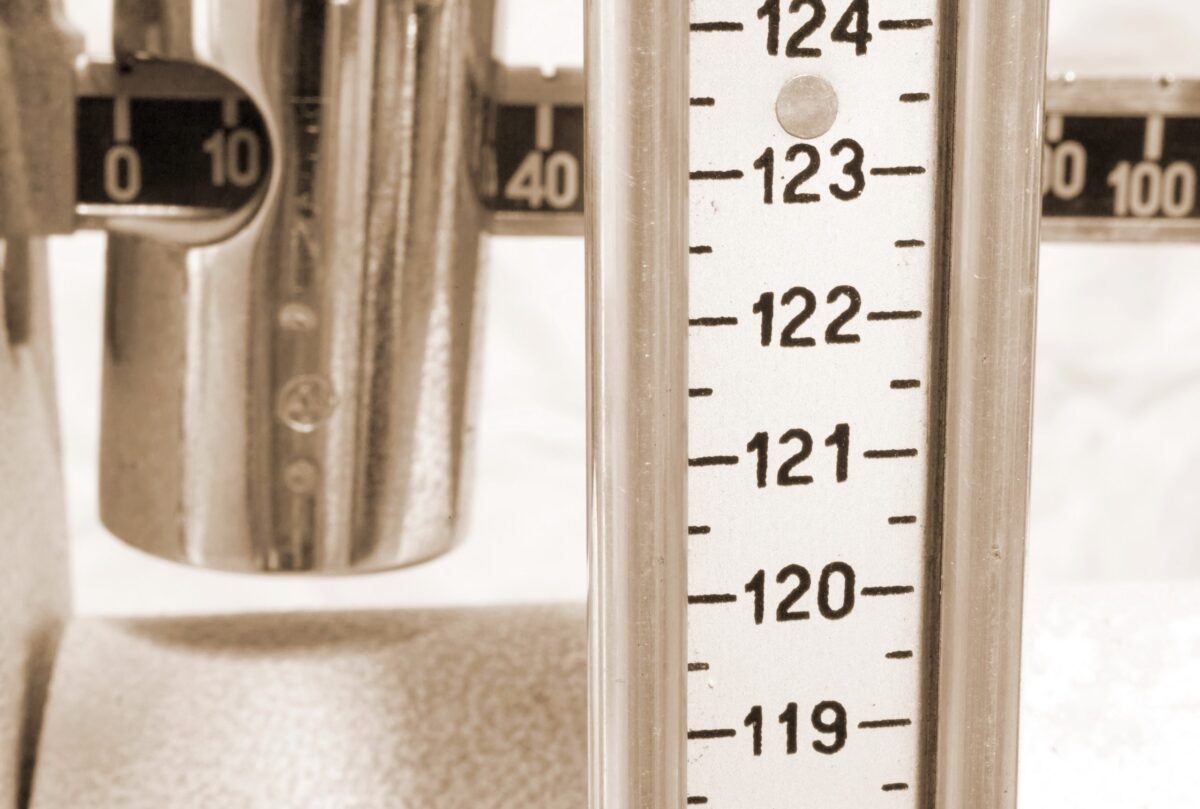
Long assumed to have a direct relationship, the connection between height and GDP becomes more complex when we compare India and Africa.
Long assumed to have a direct relationship, the connection between height and GDP becomes more complex when we compare India and Africa.
Investigating intrinsic and extrinsic incentives, researchers have explained why money does not always promote positive performance.
Through the industrialization of just one slice of bread, we can see the history of the U.S. economy since the beginning of the 20th century.
Caused by aging baby boomers, expanded criteria and the remnants of the great recession, SSDI entitlement spending is approaching insolvency.
In financial markets, data security relates to the timing of data releases because premature releases or leaks unfairly favor one group of investors.
As female labor force participation increased since the 1970s, so too has the income inequality that resulted from assortative mating of higher earners.
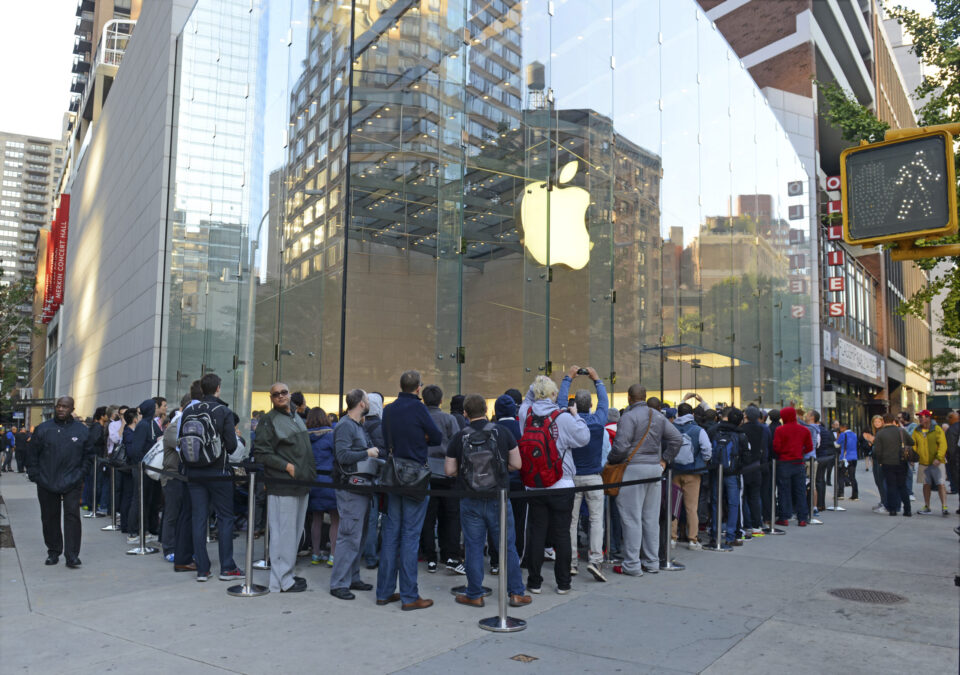
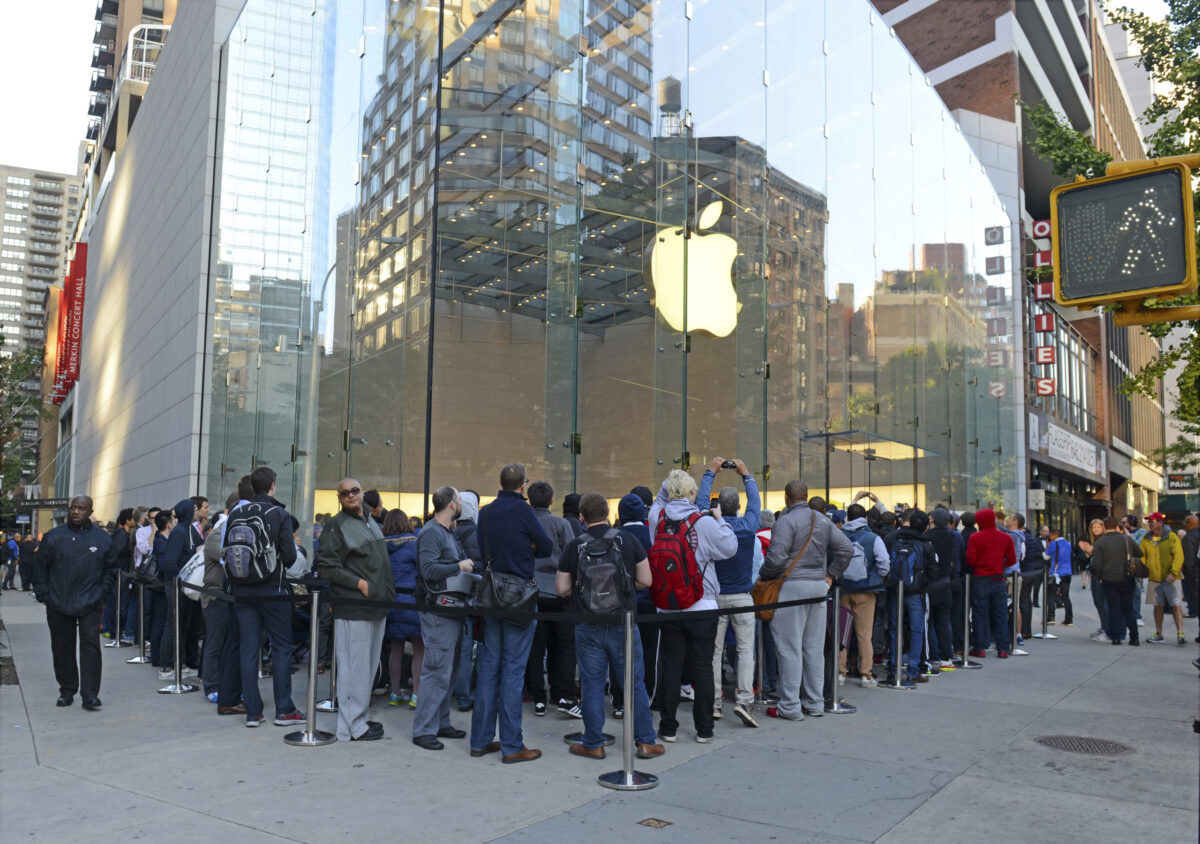
Whether you stand in long lines to self-signal or you hire someone to do the wait for you, your decision reflects tradeoffs that relate to time.
Creating different incentives, the variety among state taxes includes some with no income tax, others with sales taxes and some with severance taxes.
Website traffic can tell us the information we need from government and some clues about the federal budget.
While death rates are a seemingly easy way to assess healthcare spending, other perspectives like DALYs could be better when we consider the tradeoffs.
Because he revised his country's inaccurate deficit and received Eurostat approval, Greece's chief statistician might be prosecuted for "breach of faith."
One of many examples in Peter Schuck's new book, the Social Security program shows how government can be successful and also why it "fails so often."