February 26, 2015

As the pill, education and employment opportunities changed the value of women as wives, the tradeoffs that relate to being married have also changed.
As the pill, education and employment opportunities changed the value of women as wives, the tradeoffs that relate to being married have also changed.
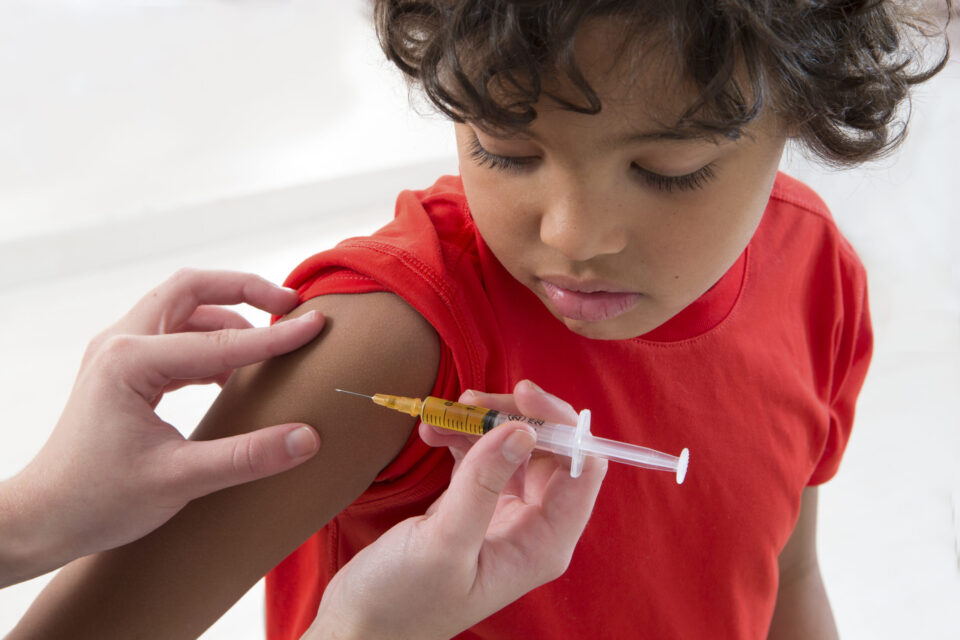
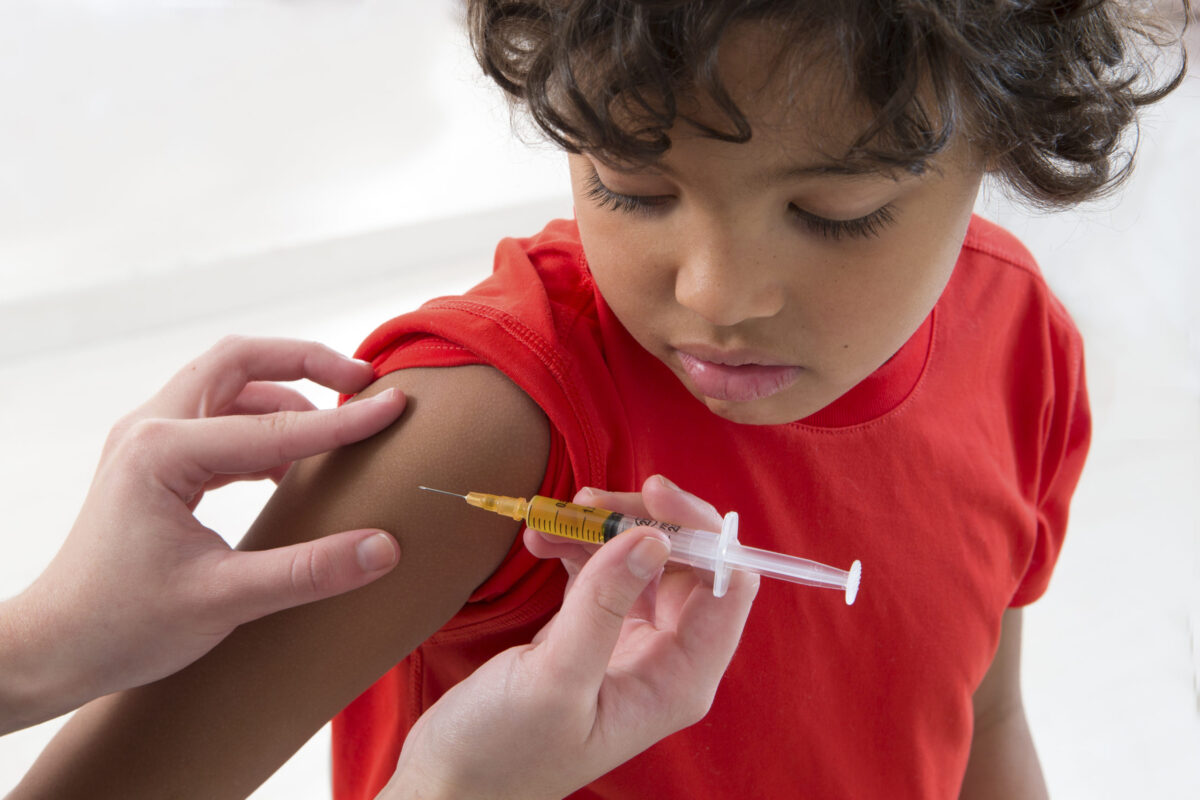
With better school attendance and learning, and then higher work productivity, the positive externalities of childhood vaccination have an economic impact.
Facing an aging population and more entitlements, countries that are encouraging more births to expand the labor force might be creating a bigger problem.
As population shifts, developed nations will have redistribution decisions as the proportion of the non-working aged and the young need more labor income.
As the source of monetary policy, the Federal Reserve has to decide if interest rates should rise when inflation is low but a jobs recovery has begun.
Limiting potential economic growth, the myth of innate talent in disciplines like philosophy diminishes the pool of female and Afro-American human capital.
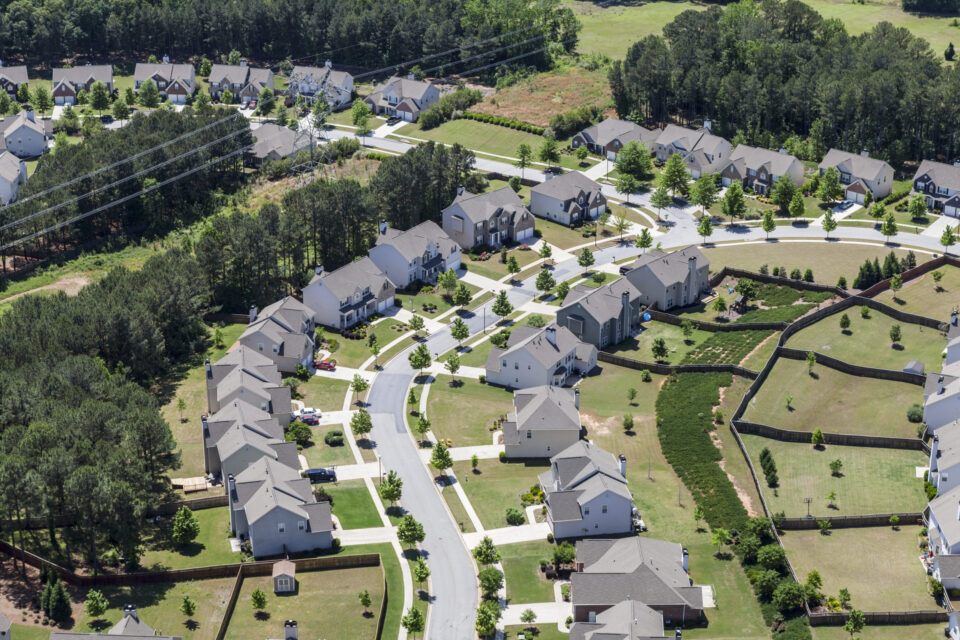
Called the American Dream, the income mobility that lifts a child beyond a parent's poverty can depend on a community's characteristics.
Explained by behavioral economics, we save relatively little for retirement because of intertemporal selfishness and seeing our future selves as strangers.
While everyone refers to the middle class and most of us say we are in the middle class, few know the characteristics of the group to which they refer.
With the House requiring dynamic scoring of tax legislation from the CBO, the bigger tax debate resurfaces on how much redistribution and spending.
Relating income inequality to the stress felt by low status Bolivian Tsimane men and academy award losers, researchers said that stress that harms health.