May 21, 2015

Through the industrialization of just one slice of bread, we can see the history of the U.S. economy since the beginning of the 20th century.
Through the industrialization of just one slice of bread, we can see the history of the U.S. economy since the beginning of the 20th century.
Caused by aging baby boomers, expanded criteria and the remnants of the great recession, SSDI entitlement spending is approaching insolvency.
While many nations have deposit Insurance and China will have theirs very soon, the quality and the confidence in different deposit insurance schemes vary.
Website traffic can tell us the information we need from government and some clues about the federal budget.
While death rates are a seemingly easy way to assess healthcare spending, other perspectives like DALYs could be better when we consider the tradeoffs.
Because cost and benefit analysis shows that temptation bundling for gym attendance encourages healthier behaviors, the approach can be used elsewhere.
As the pill, education and employment opportunities changed the value of women as wives, the tradeoffs that relate to being married have also changed.
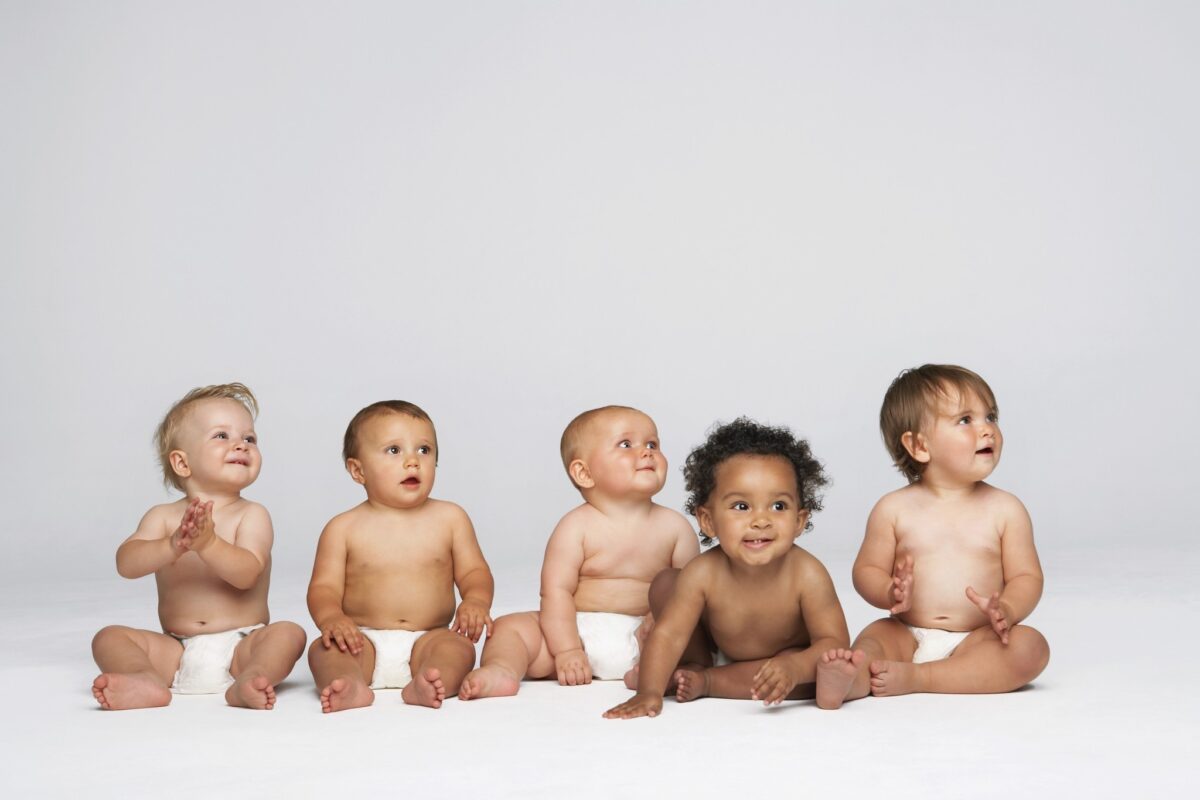
Facing an aging population and more entitlements, countries that are encouraging more births to expand the labor force might be creating a bigger problem.
As population shifts, developed nations will have redistribution decisions as the proportion of the non-working aged and the young need more labor income.
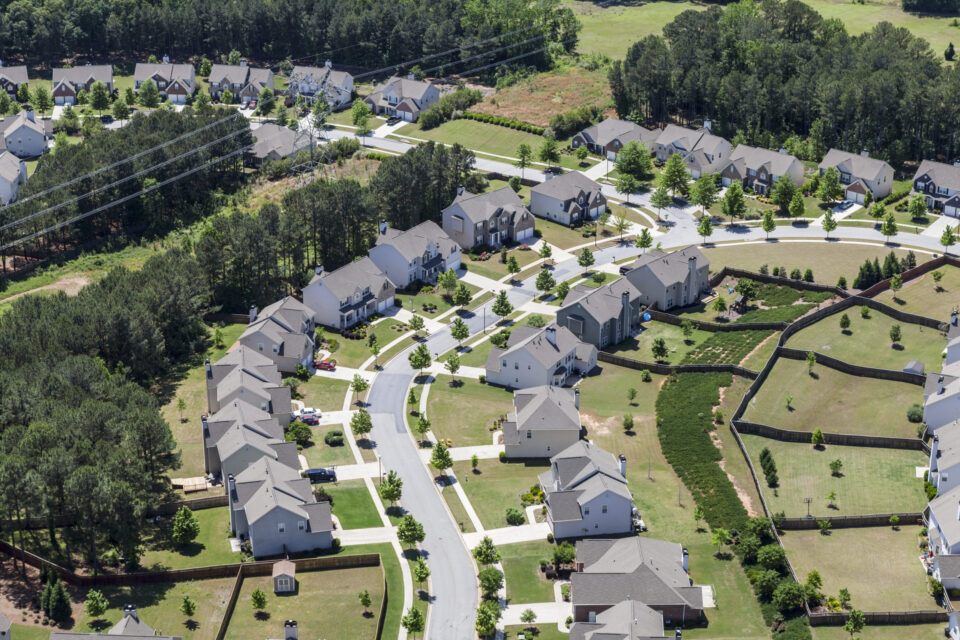
Called the American Dream, the income mobility that lifts a child beyond a parent's poverty can depend on a community's characteristics.
Explained by behavioral economics, we save relatively little for retirement because of intertemporal selfishness and seeing our future selves as strangers.
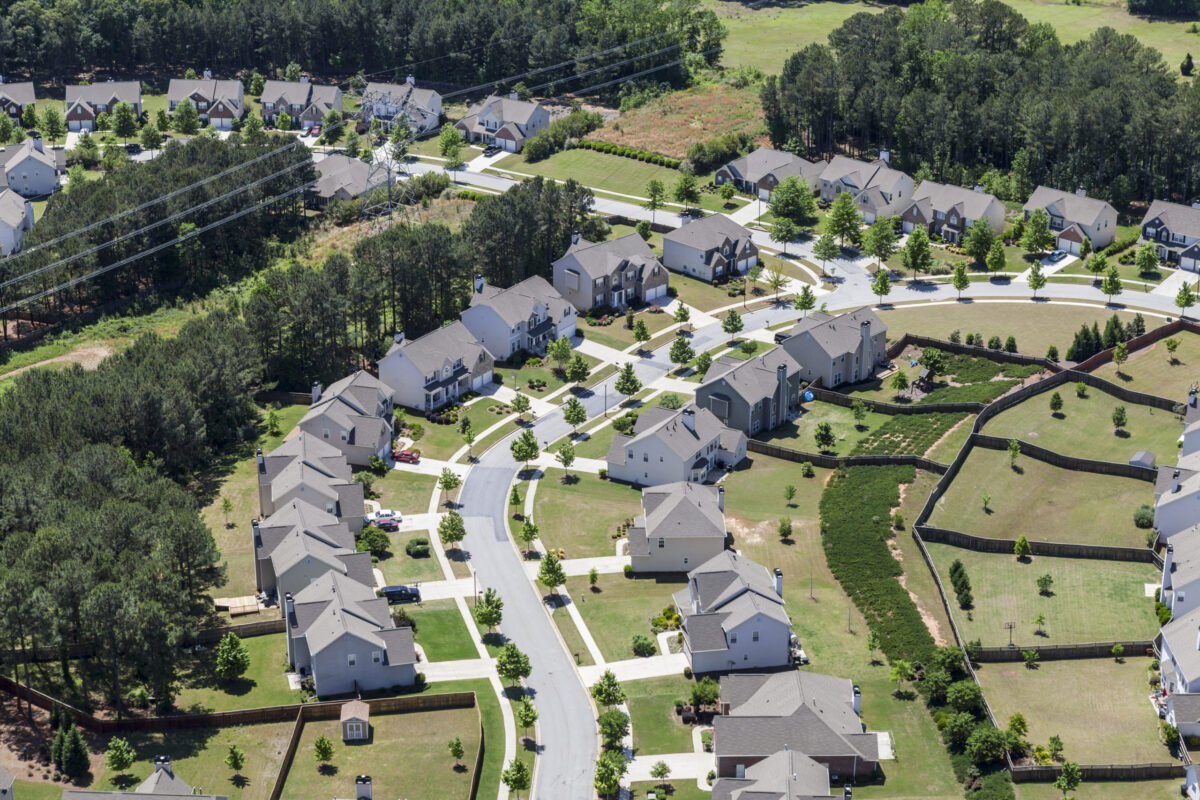
While everyone refers to the middle class and most of us say we are in the middle class, few know the characteristics of the group to which they refer.