
January 9, 2015

January 8, 2015

With the House requiring dynamic scoring of tax legislation from the CBO, the bigger tax debate resurfaces on how much redistribution and spending.
January 4, 2015

Behavioral economic ideas show that product differentiation and consumer preference are more from branding than the taste of colas or beers.
December 16, 2014

Relating income inequality to the stress felt by low status Bolivian Tsimane men and academy award losers, researchers said that stress that harms health.
November 7, 2014

October 26, 2014
While a misery index shows a nation's inflation and unemployment rates, the eurozone's high unemployment might create disproportionate unhappiness.
October 21, 2014

New attitudes that value marriage less and new economics through which women have more pay and education and men work less have changed marriage markets.
October 16, 2014

With populations growing older in the developed world, their wellbeing might affect the GDP growth rate because of the expense of their care.
October 14, 2014
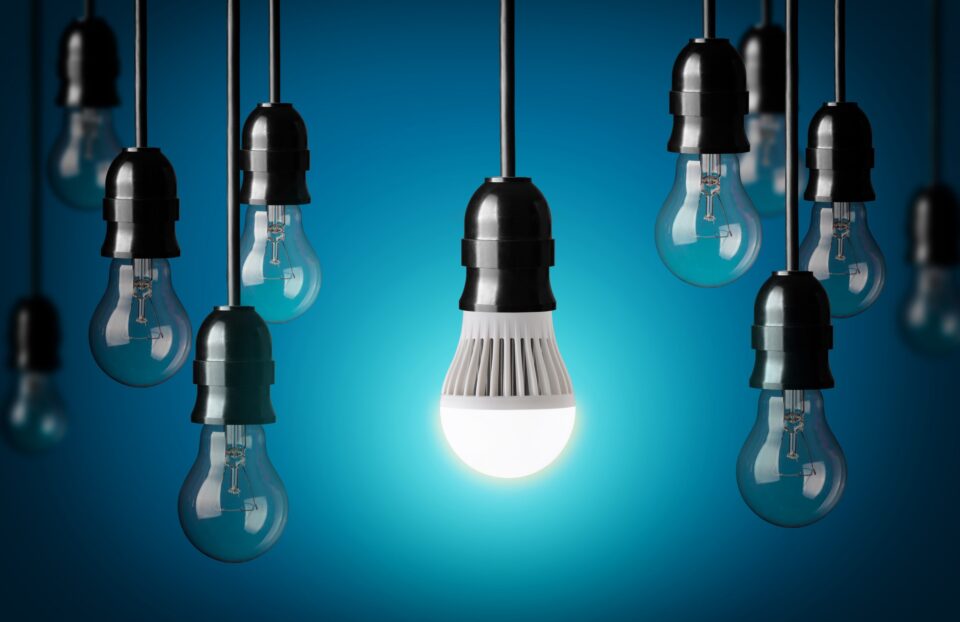
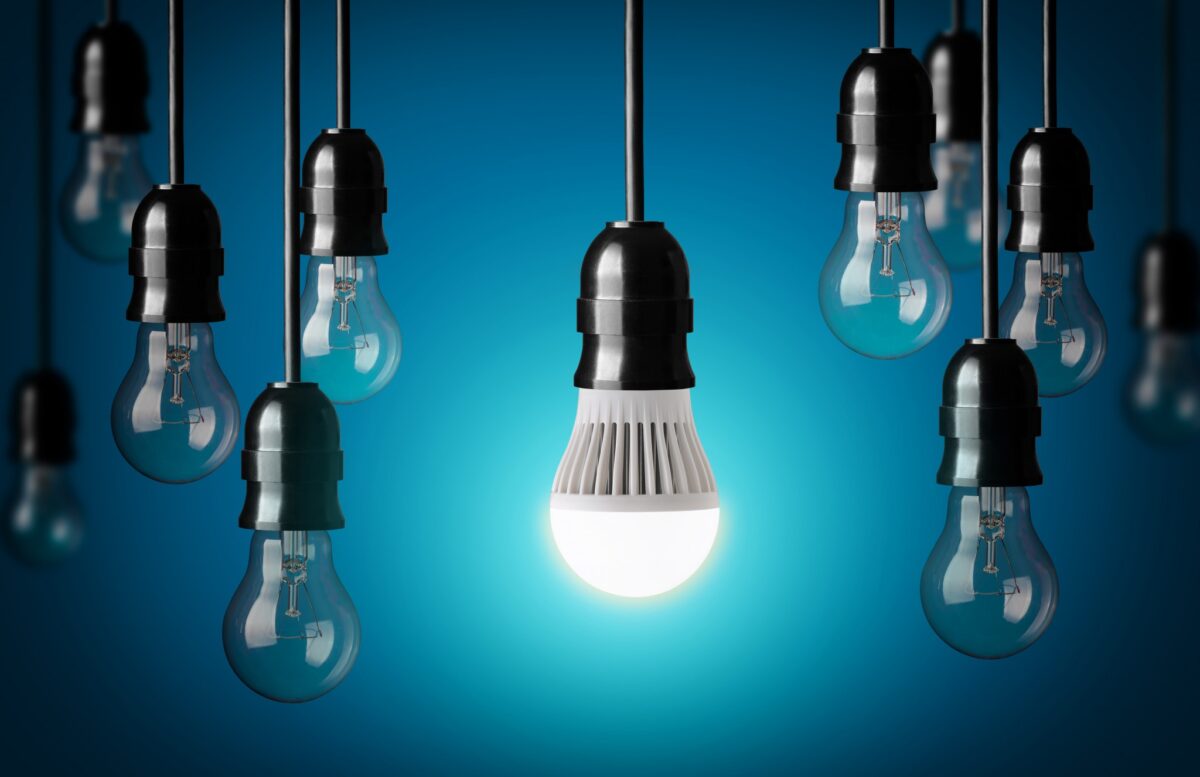
Like 19th century English coal, more efficient and cheap LED lights can mean people and businesses use it more because of the lower opportunity cost.
September 30, 2014

September 14, 2014

We need to raise the low U.S. savings rate with new incentives like a lottery on savings deposits because households and business investment need savings.
August 12, 2014











In refrigerators in developing nations, we can see the impact of affluence on their diet and on supply and demand that will change worldwide food prices.