August 19, 2019
Looking at women in movies, we form behavioral expectations about gender roles that relate to leadership, to speech, and to age.
Looking at women in movies, we form behavioral expectations about gender roles that relate to leadership, to speech, and to age.
As movie star brands, the images conveyed by three of the stars from the Fast & Furious film franchise reflect their macho focus.
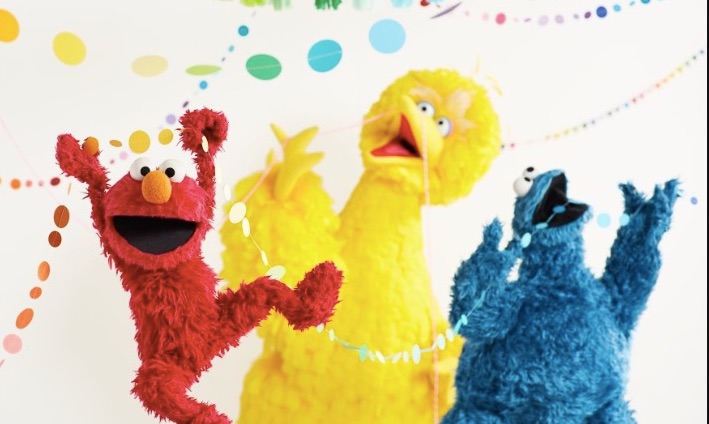
Fifty years ago, when Sesame Street was a new educational idea, it proved that watching TV could make our kids smarter academically and emotionally.
When economists focus on measuring happiness, they look at money and time and health and GDP for conclusions that might not be quantifiable.
While the average life in the United States has 42 million minutes, the cost of spending time can depend on our wealth, where we live, and our age.
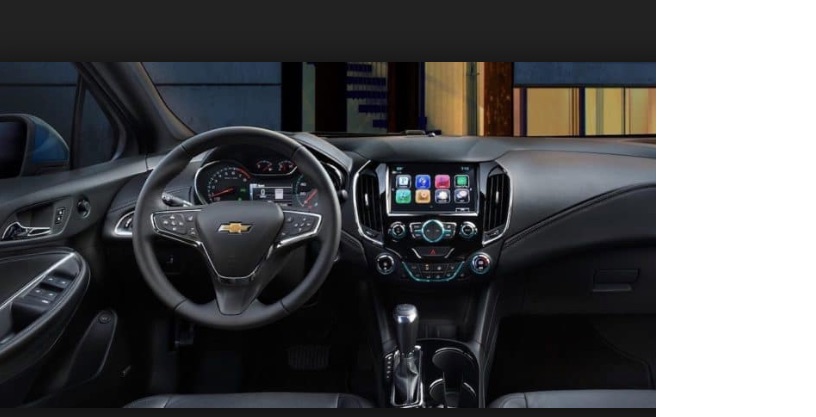
Even influencing the kind of car we decide to buy, weather economics can have a surprising impact on the decisions we make as consumers.
Rather than identifying pockets of poverty, recent income mobility research suggests policy makers focus on opportunity areas.
Whereas we moved from many time zones to four during the 19th century, now, with globalization, we should switch to coordinated universal time for everyone.
The four colors of Shanghai's trash-sorting bins make the new system look deceptively simple for households and businesses.
Like people, autonomous vehicles will have moral dilemmas that require ethical decision-making but it could be tough deciding what is ethical.
Looking at manufacturing unemployment, we can ask if the Trade Adjustment Assistance program is one way to help workers adjust to a new economy.
Confirming that economics relates to almost everything, game theory can explain yesterday's women's World Cup semifinal penalty kick save by the U.S. team.