July 12, 2019
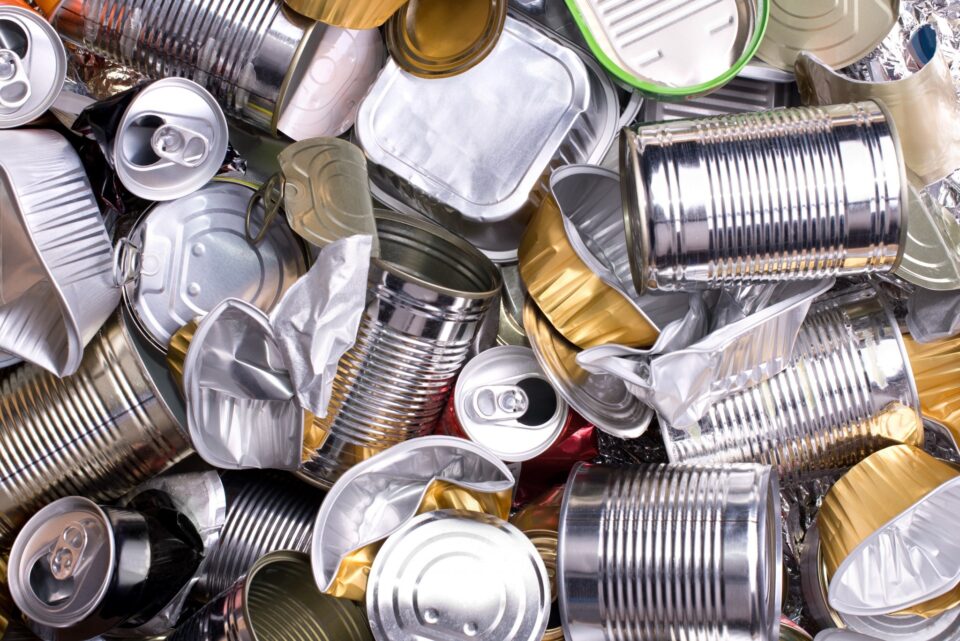
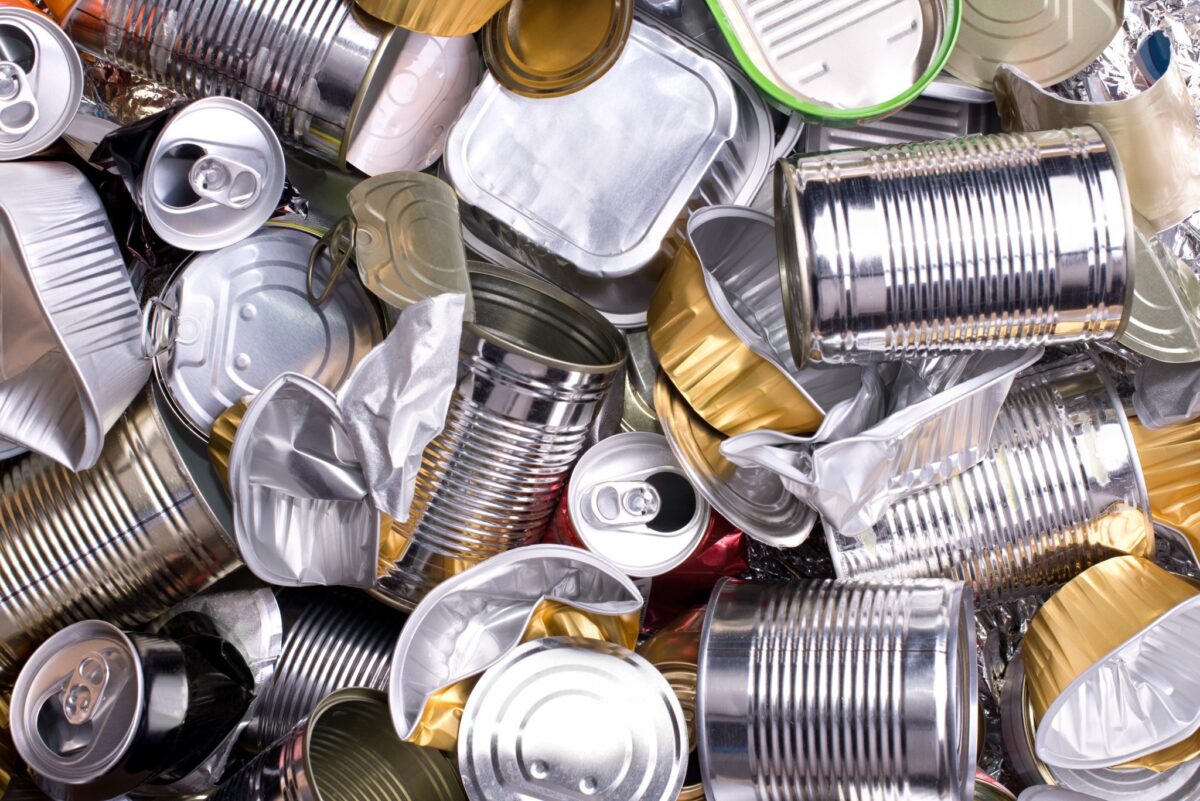
The four colors of Shanghai's trash-sorting bins make the new system look deceptively simple for households and businesses.
The four colors of Shanghai's trash-sorting bins make the new system look deceptively simple for households and businesses.
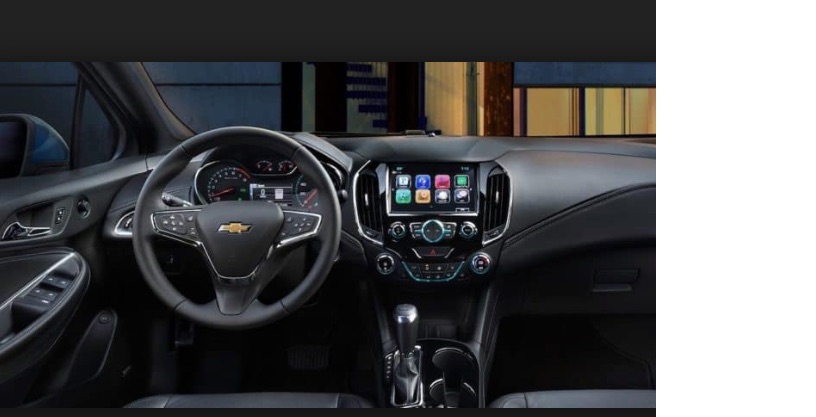
Like people, autonomous vehicles will have moral dilemmas that require ethical decision-making but it could be tough deciding what is ethical.
Looking at manufacturing unemployment, we can ask if the Trade Adjustment Assistance program is one way to help workers adjust to a new economy.
Confirming that economics relates to almost everything, game theory can explain yesterday's women's World Cup semifinal penalty kick save by the U.S. team.
While healthcare price transparency sounds like a logical way to constrain soaring healthcare costs, the results were not quite what we expected.
When Kalamazoo, Michigan made college more accessible to high school graduates through a free tuition program, they were surprised by some of the results.
Looking at honor systems in stores and for lost wallets, we can see how people respond and where to find the most honesty.
Frequently invisible, the gender inequity we could see in our public policies and product design extends to snow removal and pianos
In NYC and in Nantucket, Massachusetts, drivers respond to different incentives because Manhattan has traffic lights while Nantucket does not.
Working mothers have changed the amount of time they spend on the job, and also on household chores, caring for children, sleeping, and leisure.
Although fast-food consumption has been connected to income, recent research indicates the correlation is not what we expect.
The success of a decision to use Waze, Google Maps, and other mapping apps to avoid traffic can depend on outsmarting the prisoner's dilemma.