November 14, 2019
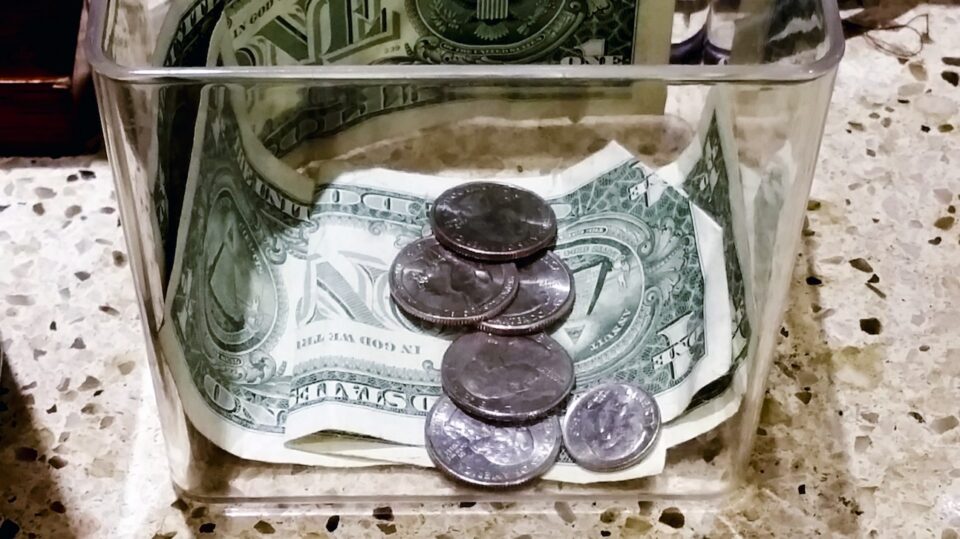
Looking at 40 million trips, researchers concluded that Uber's tips can be surprising because of the rider characteristics that determine how much.
Looking at 40 million trips, researchers concluded that Uber's tips can be surprising because of the rider characteristics that determine how much.
A close look at health inequality reveals that money and the life expectancy gap might not be as closely related as we might assume.
Since the typical solutions to subway and bus fare evasion have not worked in NYC and other cities, behavioral scientists are suggesting a new approach.
Looking back at gasoline prices that teenagers pay when they get their driver's license, we see an impact on their driving behavior.
While library late fees are supposed to be incentives that encourage us to return books, instead they have unintended consequences.
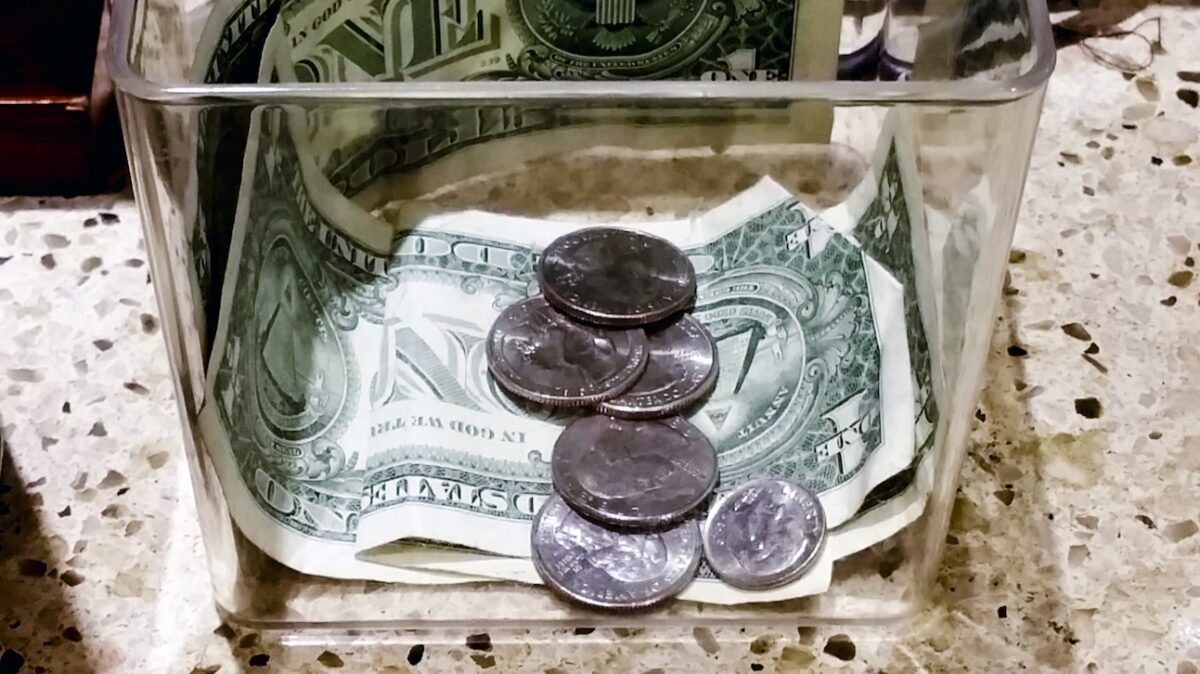
Because tipping behavior reflects a social norm, many of us know the amount we are supposed to leave but we don't necessarily do it.
In public spaces like airports, hospitals, and museums, we navigate through the architectural signals that have been called wayfinding.
#TBT: Looking back to the creation of Amazon Prime, we see we've come a long way from what we used to expect when we ordered online.
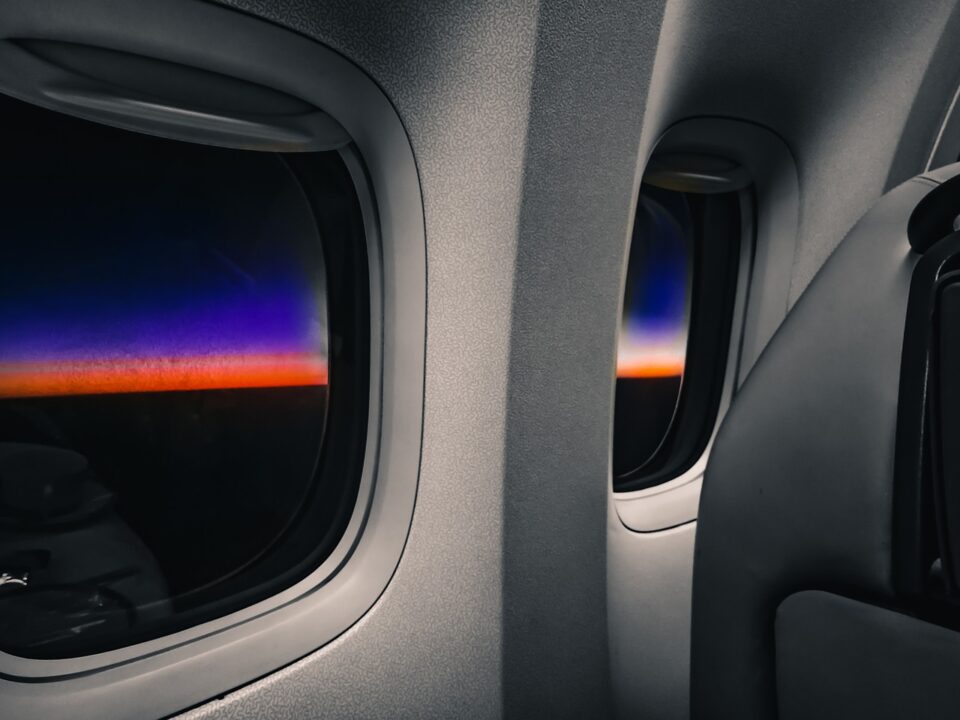
Rather like the reclining chair debate, the battle of the airplane window shade has also become a source of passenger conflict.
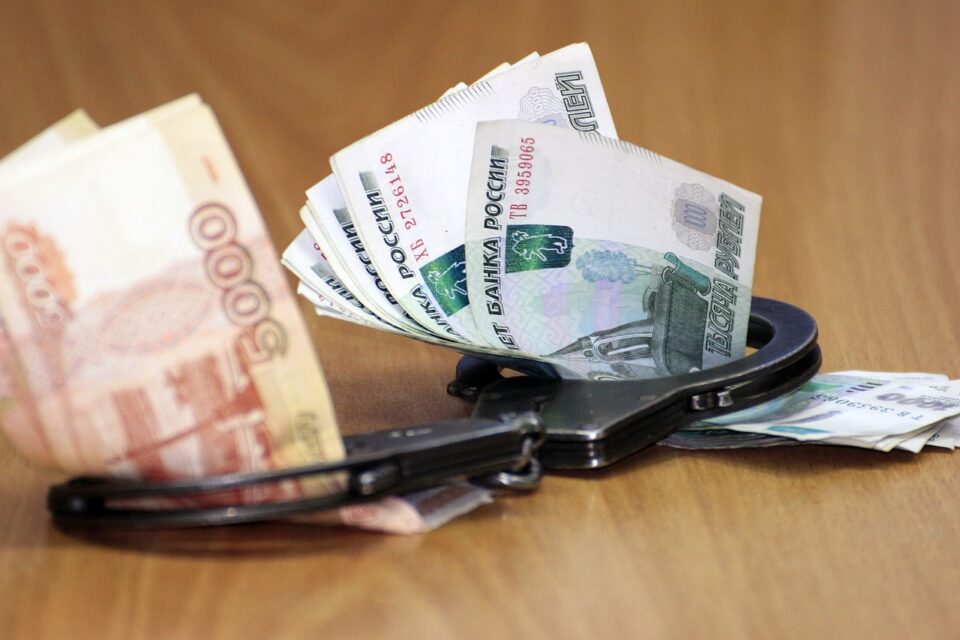
Diplomatic immunity can give us an indication of corruption in a country by looking at whether consular officials pay parking tickets.
Firstborn children are more likely to become CEOs, politicians, and top managers because of the way their parents treated them.