March 3, 2020
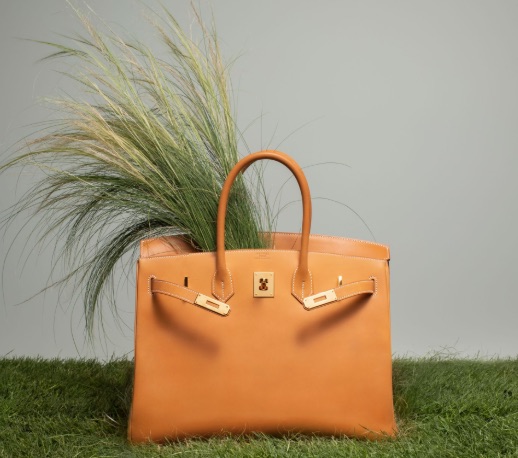
When Hermes combined very high prices with limited availability for its Birkin bags, it not only generated conspicuous consumption but also a problem.
When Hermes combined very high prices with limited availability for its Birkin bags, it not only generated conspicuous consumption but also a problem.
Looking at coronavirus as a Black Swan Event, we can better grasp its predictability, its impact, and its similarly to other exceptional crises.
When companies replace single use cups with mugs and glasses, the employee response has been somewhat like our use of gym memberships.
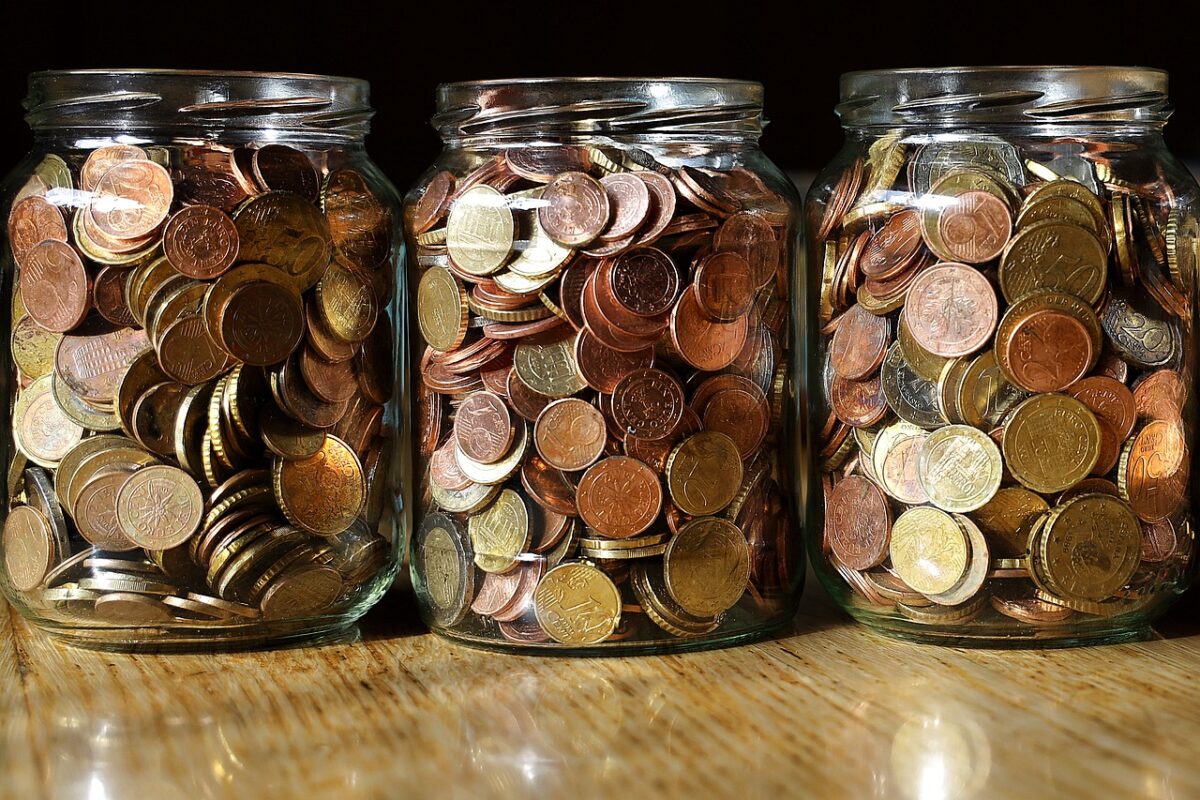
Economic anthropologists focus on the human side of money when they see us now and in the past, as individuals, as families, and as one world.
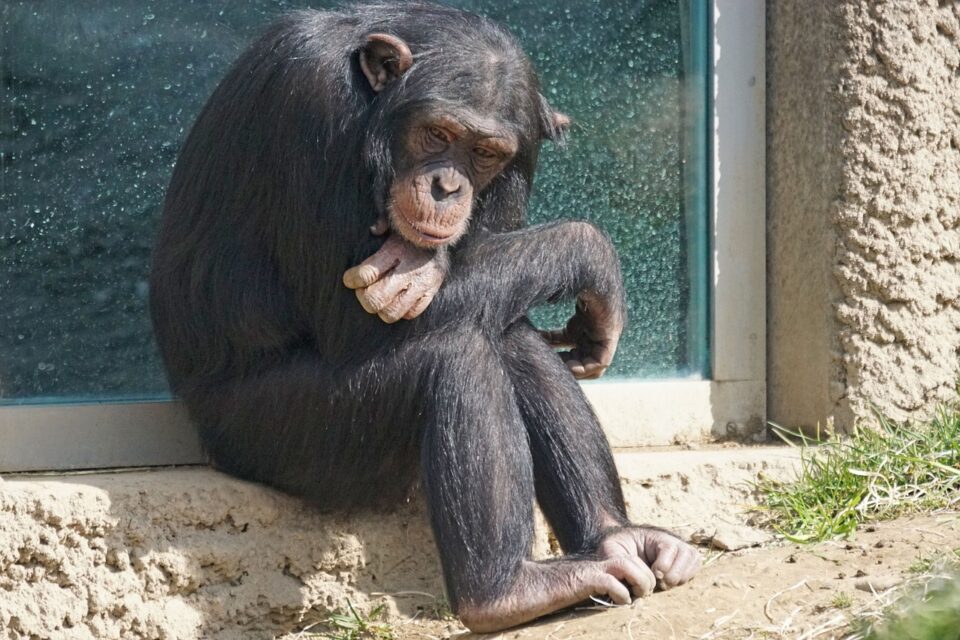
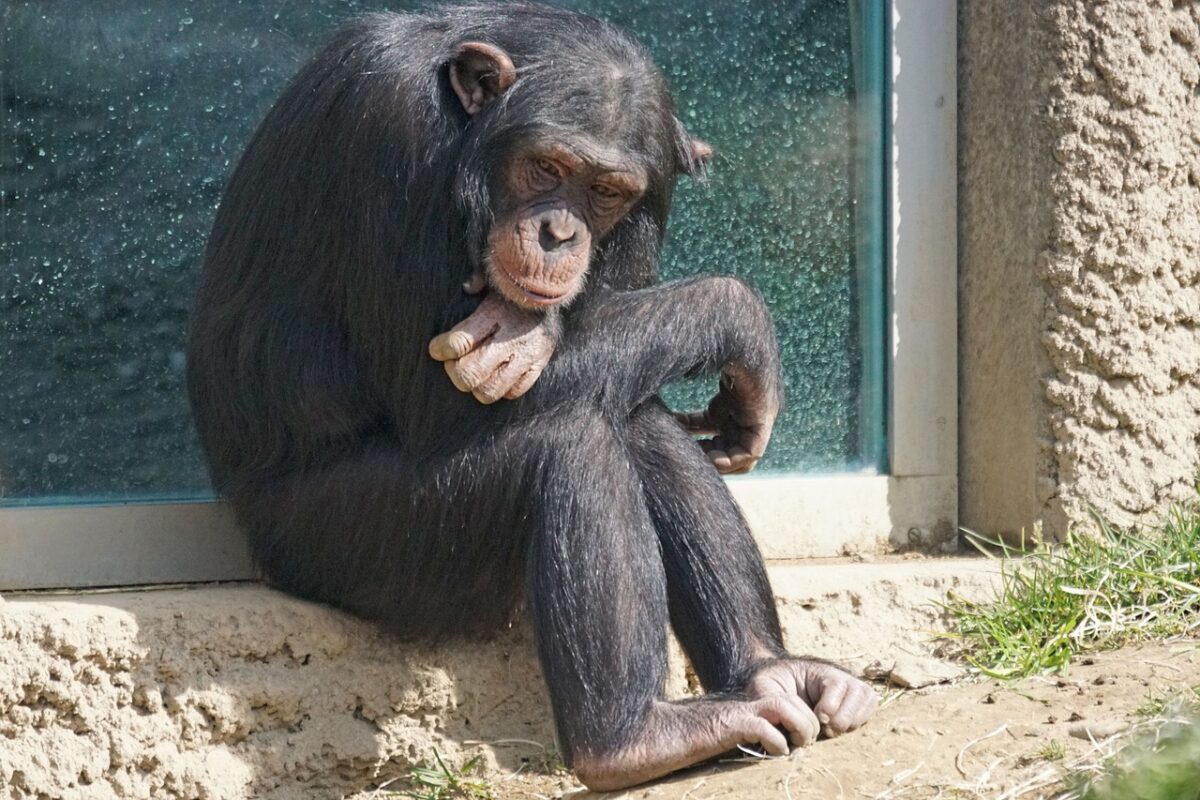
Whether looking at great apes or humans, there is evidence that all of us experience a dip in our happiness curves at a similar stage of the life cycle.
While many of us think that restaurants sell us food, economists point out that they are actually renting space to diners for several hours.
With signs that increase gender equality in public spaces, a female presence can be explicitly recognized and affect infrastructure design and jobs.
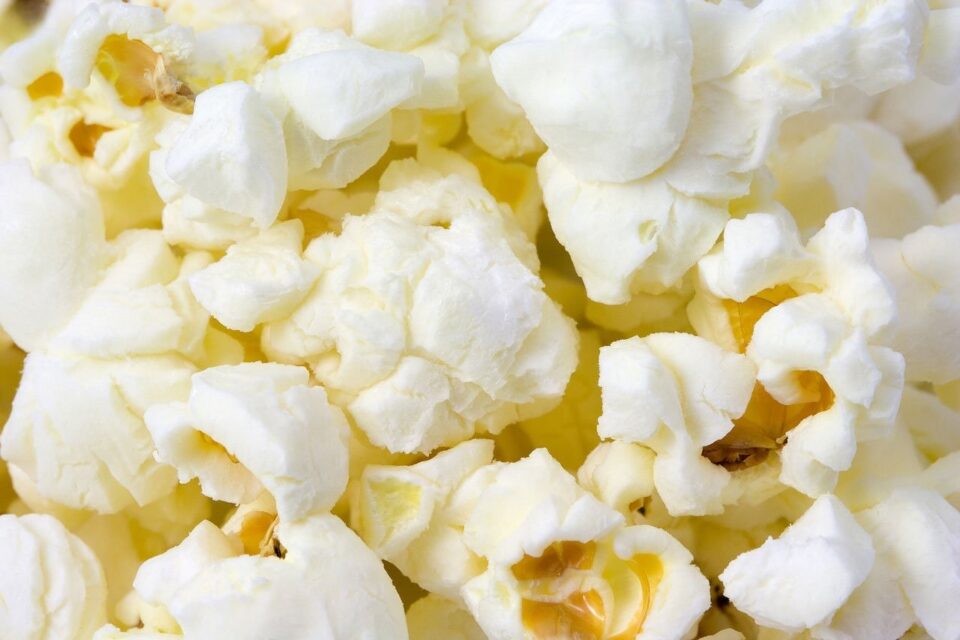
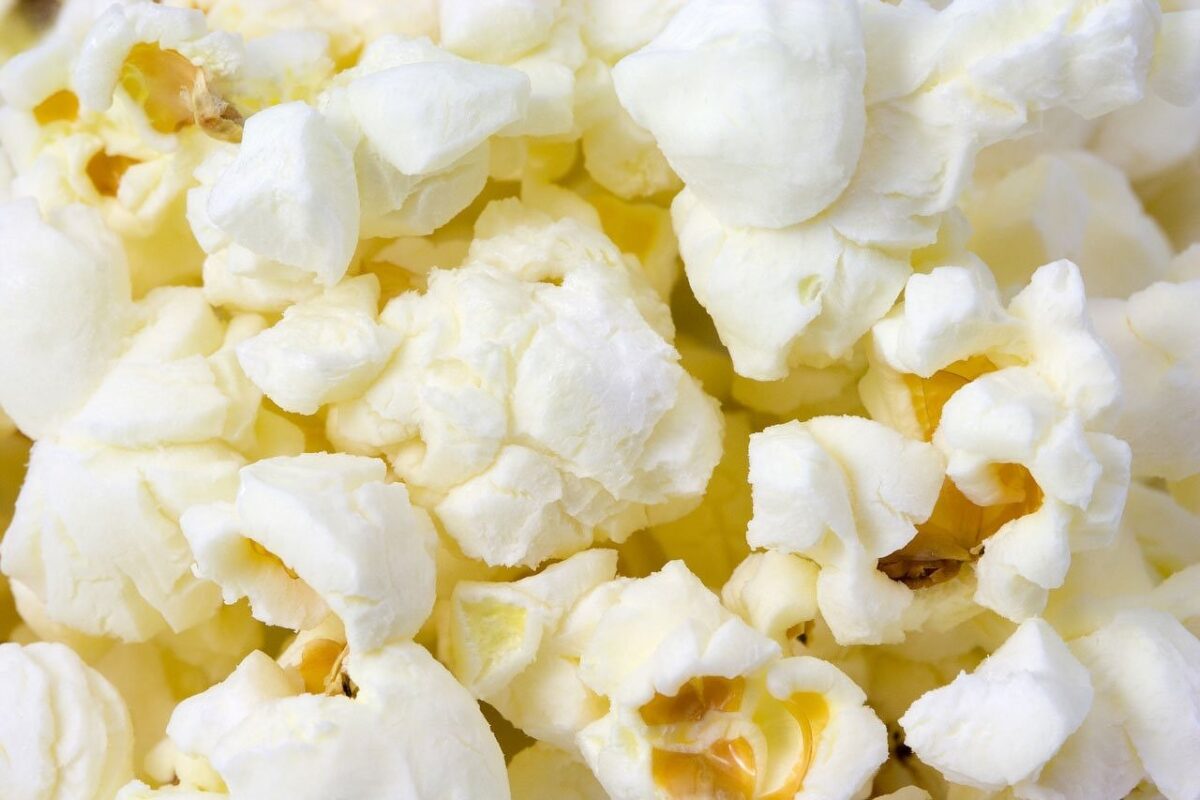
Thinking about changing habits that are good and bad, we can look at what researchers discovered during a popcorn experiment.
To keep our New Year's resolutions, behavioral economics has several simple suggestions that painlessly preserve our discipline.
After an economist long ago told us that gift giving adds less to economic activity than the price of the present, a pro-gift giving group disagreed.
More than shopping nudges, e-commerce dark patterns are the deceptive and misleading tricks that pressure us into a purchase.
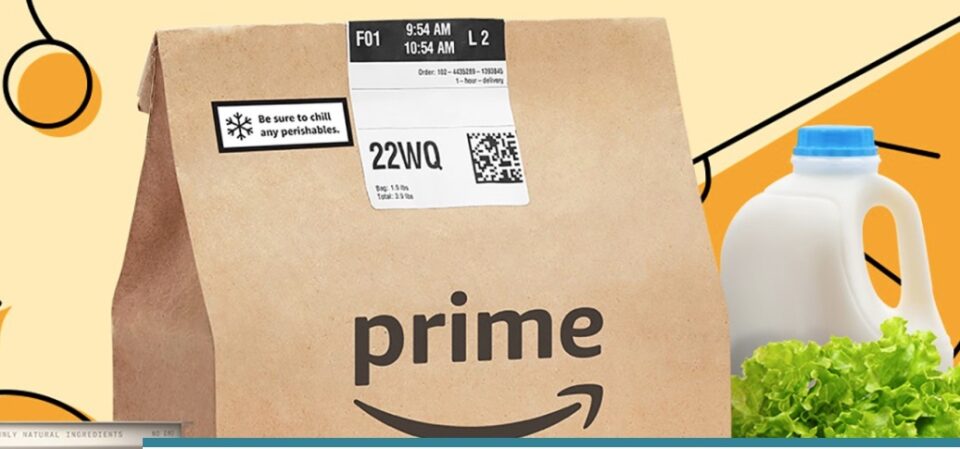
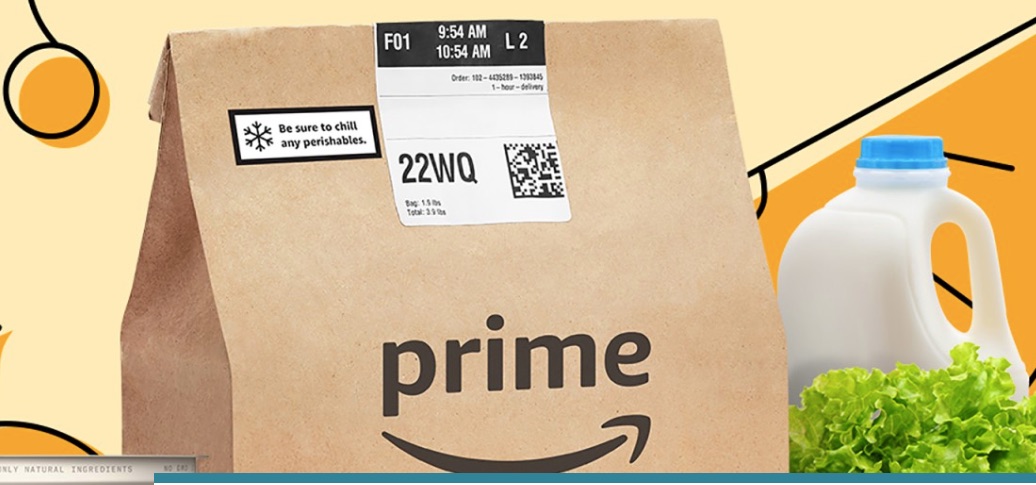
Comparing in-store and online grocery shopping, we see that what we experience in the supermarket and what we order from home is changing.