July 17, 2022
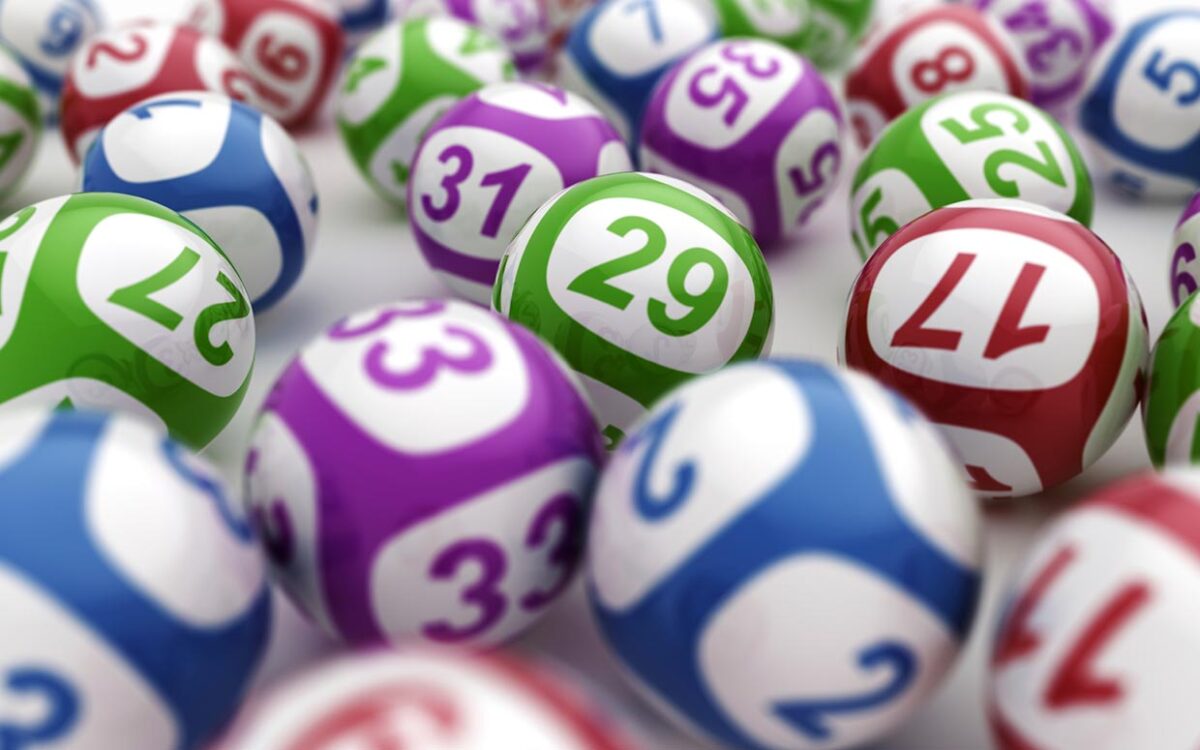
Looking at 18th century France and 2022, we can see how winning the lottery is not necessarily a low probability event.
Looking at 18th century France and 2022, we can see how winning the lottery is not necessarily a low probability event.
More than the list we could take to the mall, we are influenced by the shopping nudges that stores use to boost our buying.
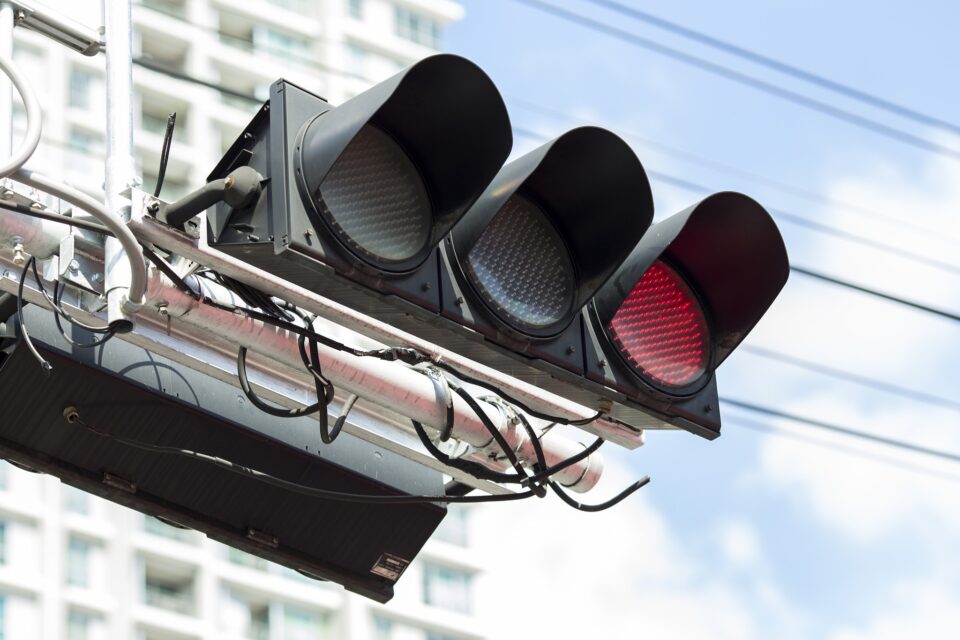
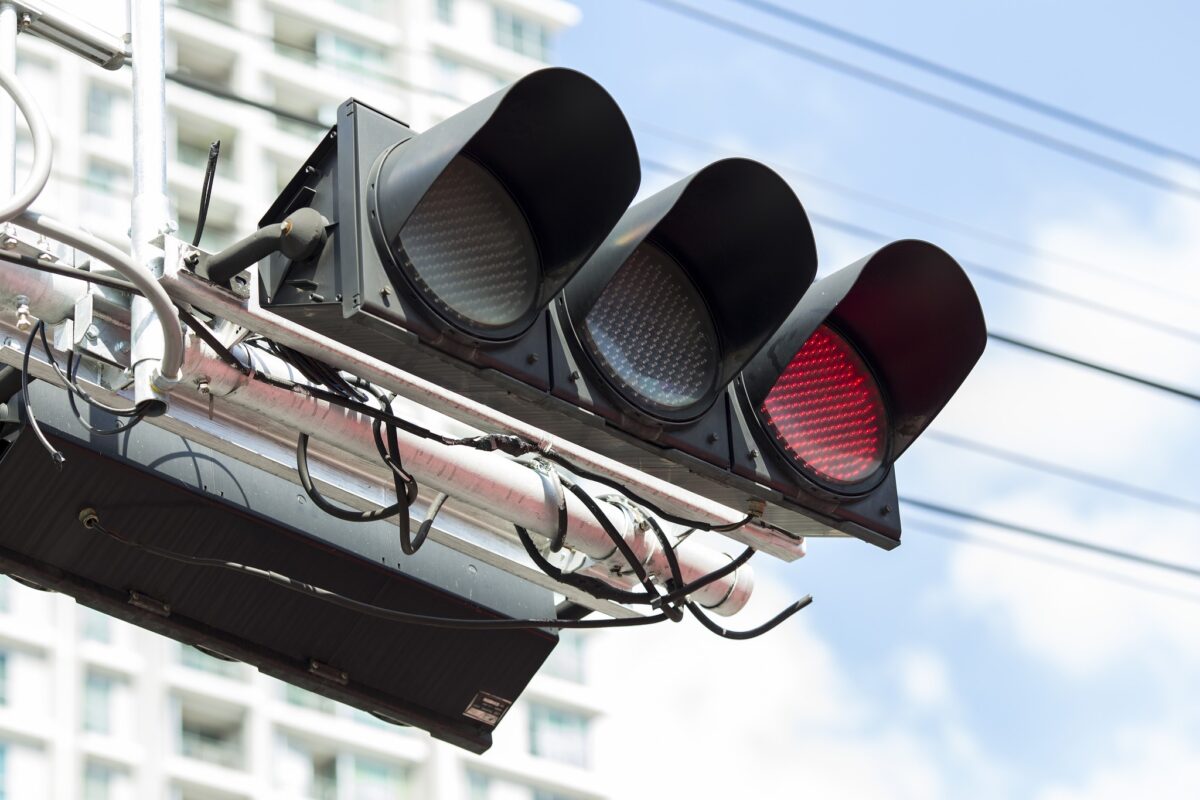
Called laissez-faire, Adam Smith's prescription for less government in the economy relates to an island with no traffic lights.
Throughout history, in the United States and around the world, lawn history shows us why we want greener grass.
In a New York courtroom, defenders of Happy the Asian elephant's animal rights were told if she is a person in the eyes of the law.
Hoping to move away from its male dominated space suit history, NASA is looking to the private sector for designs that include women.
Looked at through the lens of the airline, we can see that airplane real estate varies with the location and size of our seat.
When supermarkets multiplied the number of shoppers' choices, they wound up with a product explosion and a paradox.
A default choice by many women, keeping a maiden name tends to retain patriarchal power and expand the gender power gap.
Behavioral economists explain that what we spend, how we eat, and even what the government spends for non-recurring events are similar.
Our demand for a good or a service or even a pet can be increased or decreased by whether the name is easy or difficult to pronounce.