April 27, 2022

According to a recent study, sometimes highway signs can have the unintended consequence of creating what they are trying to prevent.
According to a recent study, sometimes highway signs can have the unintended consequence of creating what they are trying to prevent.
Precision is impossible when defining the middle class because we all know what we mean until we try to agree on the criteria.
Wondering why plunging unemployment and sustained economic growth have not lifted our spirits, we need just look at the Misery Index.
Reading the 2022 World Happiness Report, I wonder whether its six variables are what we should use to rank happy countries.
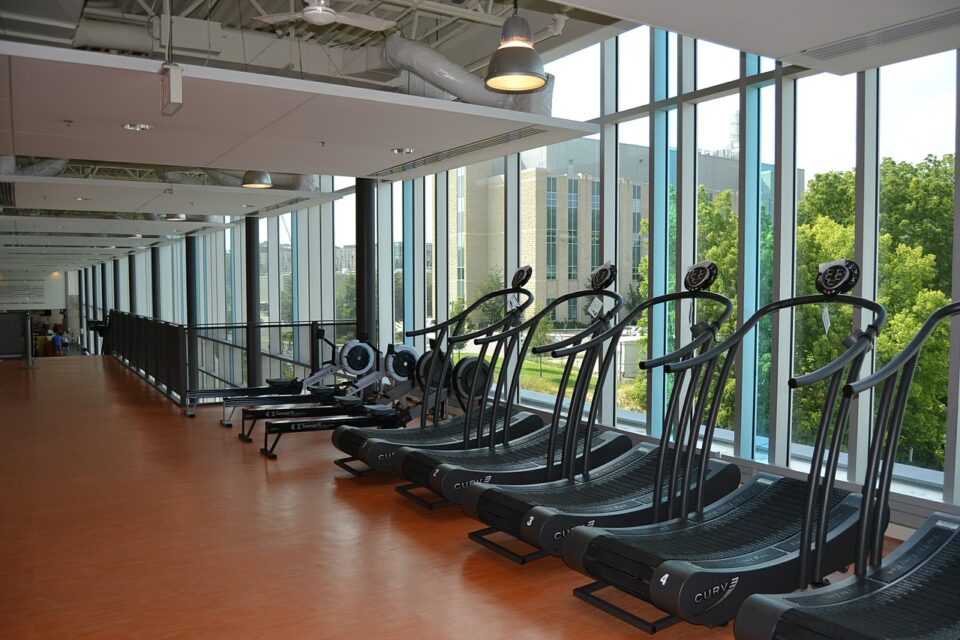
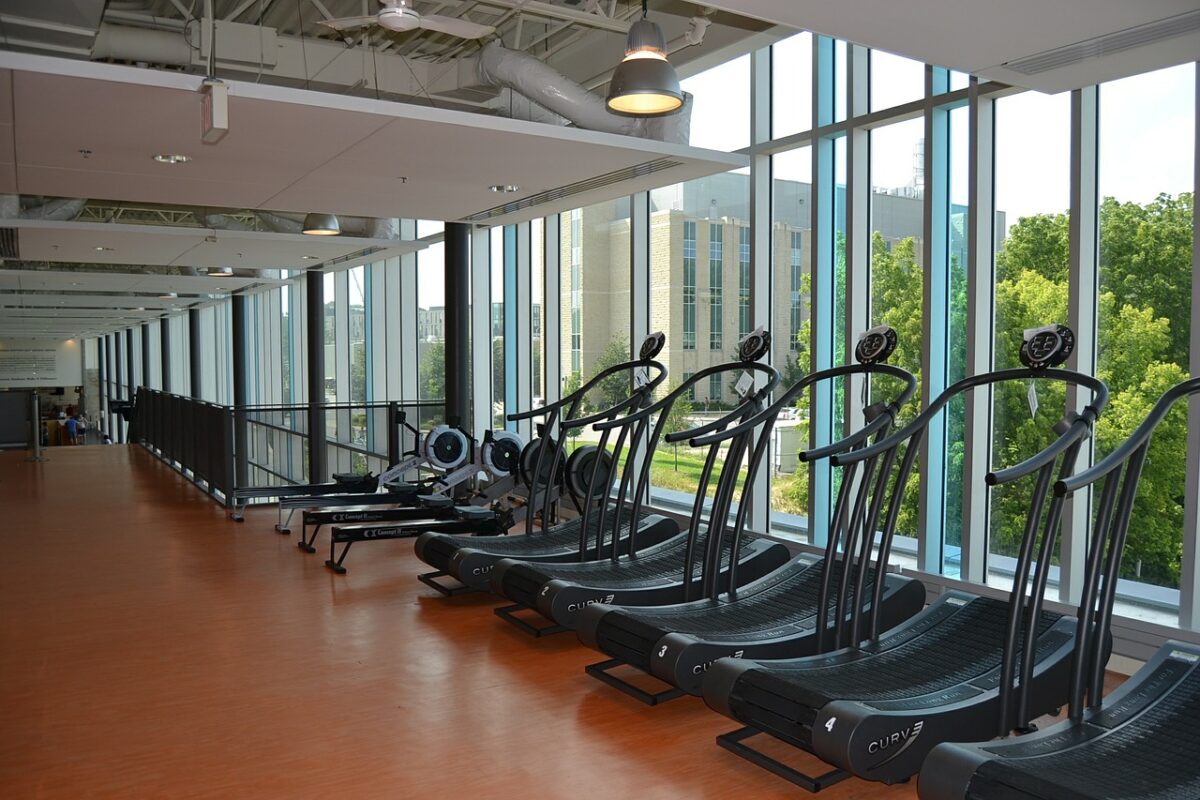
Through a mega study involving more than 60,000 participants, behavioral economists identified the most effective exercise nudges.
Seemingly indisputable because of their quantifiable origins, ranking criteria are really subjective and potentially misleading.
Looking at logos, we can prove the Ketchup and Mustard Theory through the colors that fast food chains use.
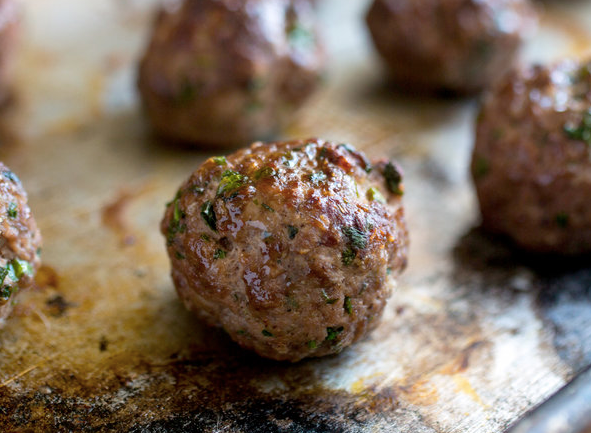
When we look at IKEA's selling strategies, we can see meatballs and chairs or the principles of demand in action.
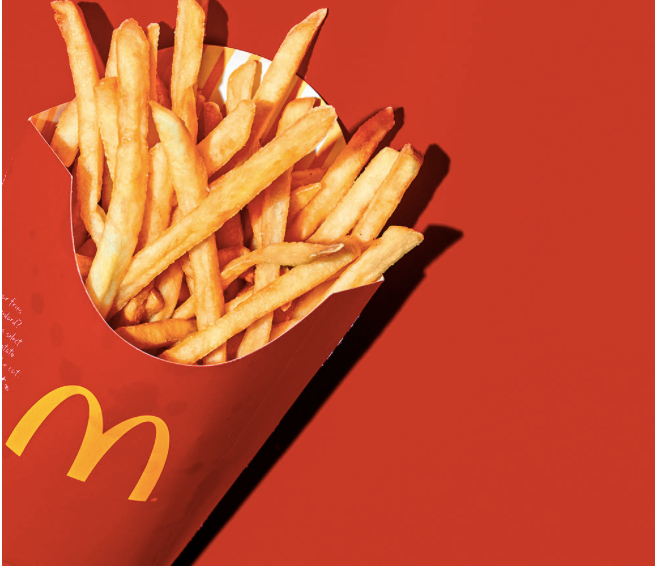
Like we expect drive-thru speed, now, at home too, we will enjoy faster food delivery through a new DoorDash McDonald's deal.
Playing rock, paper, scissors, Christie's and Sotheby's helped a Japanese corporation decide who would auction its $20 million art collection.
Trying to determine the connection between money and happiness, scholars are looking at what we earn and what we buy.
Looking back as far as the 19th century and as recently as the start of Amazon Prime, we can see how what we call fast delivery has changed.