September 1, 2022
For our annual visit to the World Economic Forum's Global Gender Gap Report, we can identify some progress and considerable concern.
For our annual visit to the World Economic Forum's Global Gender Gap Report, we can identify some progress and considerable concern.
In its annual Global Gender Gap Report, the World Economic Forum looks within countries to quantify gender parity.
Concerned with a shift away from traditional multilateral institutions and free trade, the World Economic Forum identifies our global economic risk.
Looking at Italy's debt and beyond at the world, we can worry about massive borrowing that reflects a larger proportion of a country's GDP.
While today is the first day that Saudi women can drive legally, they still experience gender inequity at Starbucks and beyond.
Identifying the countries where women are more likely to select STEM (science, technology, engineering, math), scholars had some surprises.
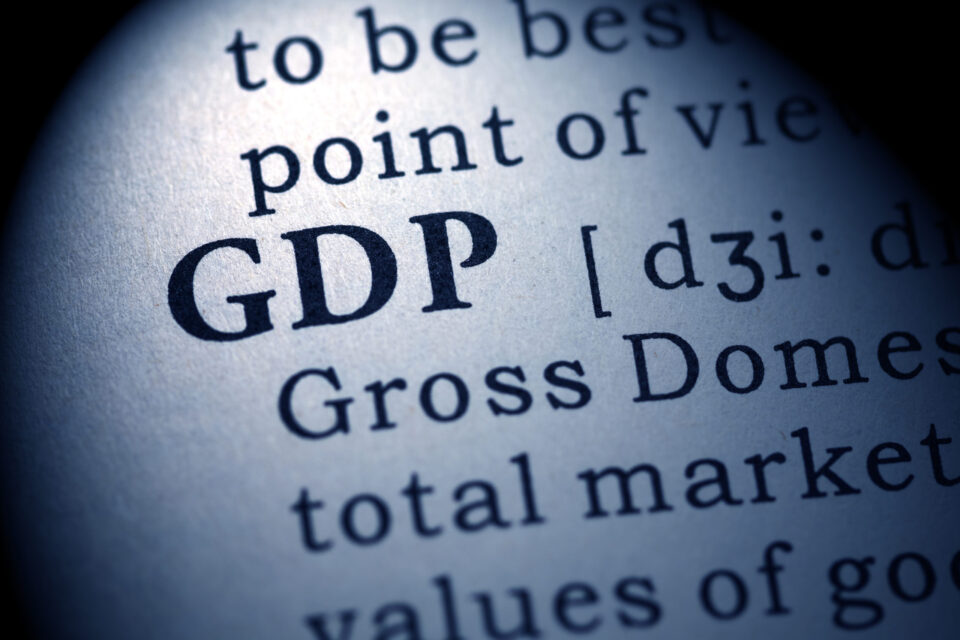
We can better grasp what we mean by the GDP by looking at the numbers and also by comparing its components to an alternative.
Because the ranking depends on our variables and their definitions, measuring the global gender gap can have surprising results.
Production possibilities graphs and GDP comparisons show us that a bigger gender gap prevents countries from achieving their economic growth potential.