November 3, 2025

Present everywhere, sludge reflects the perverse incentives that enrage us daily when we deal with customer service problems.
Present everywhere, sludge reflects the perverse incentives that enrage us daily when we deal with customer service problems.
Continuing with our April e-links, I recommend the one podcast that I enjoyed this week because it conveyed some supermarket economics.
While it's easy to see that nudges suggested by behavioral economists have an exceedingly appealing upside, their downside is not as evident.
Behavioral economics can explain why forgotten subscriptions have become an increasingly typical phenomenon.
Seeing that our New Year's resolutions have changed since last year, we have to figure out new devices to keep them.
We can use a zoo that includes black swans, gray rhinos, elephants, and camels to describe financial events and human behavior.
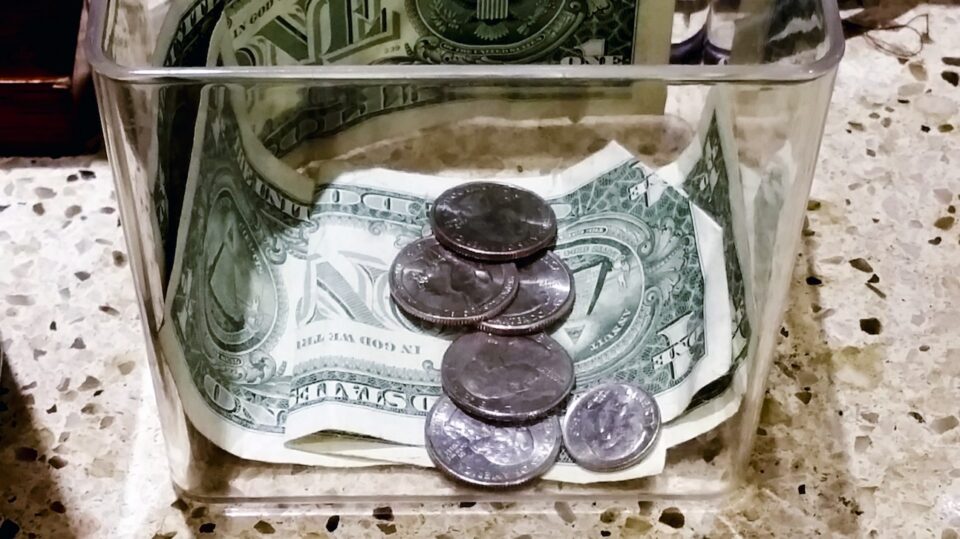
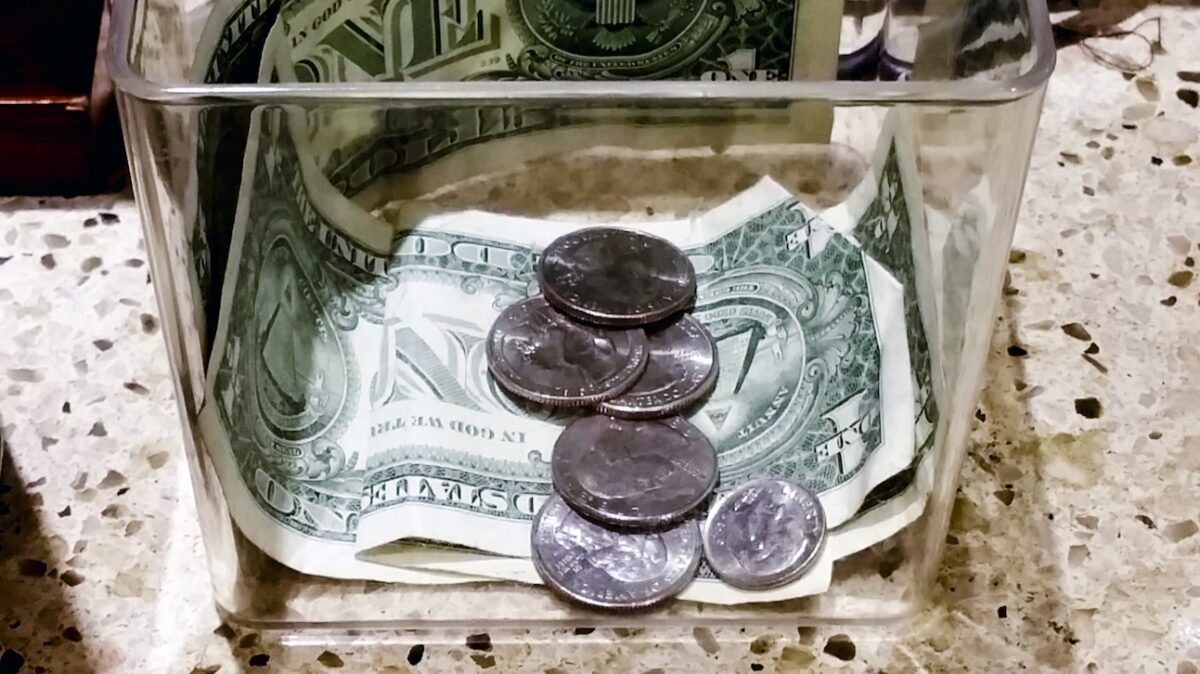
Explained by behavioral economics, a new technological default changed our tipping behavior in restaurants and taxi cabs.
Starting our May 2022 e-links, this Katy Milkman podcast is a behavioral economics diversion that exposes the nudges that shape our decisions.
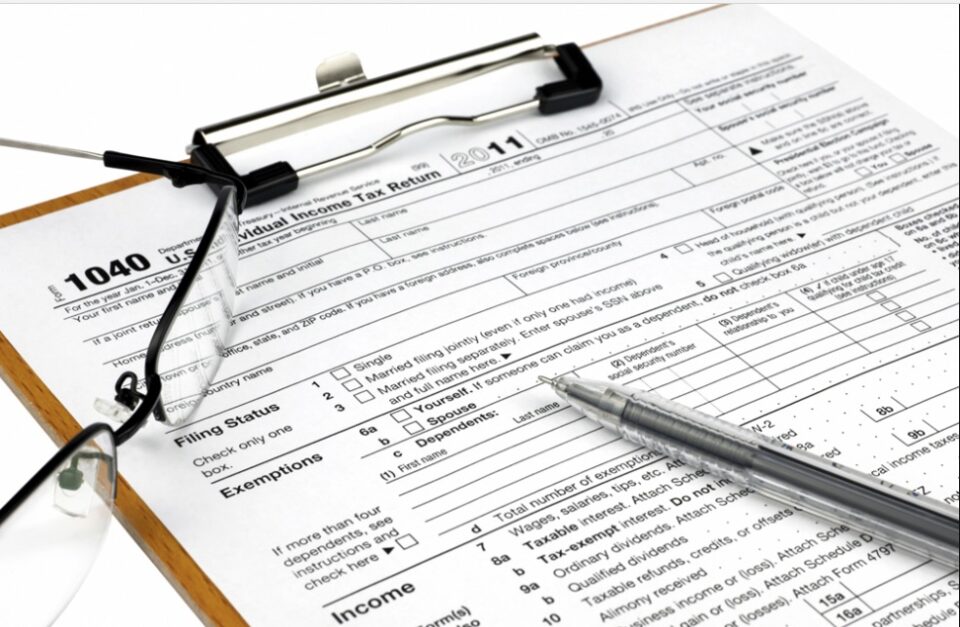
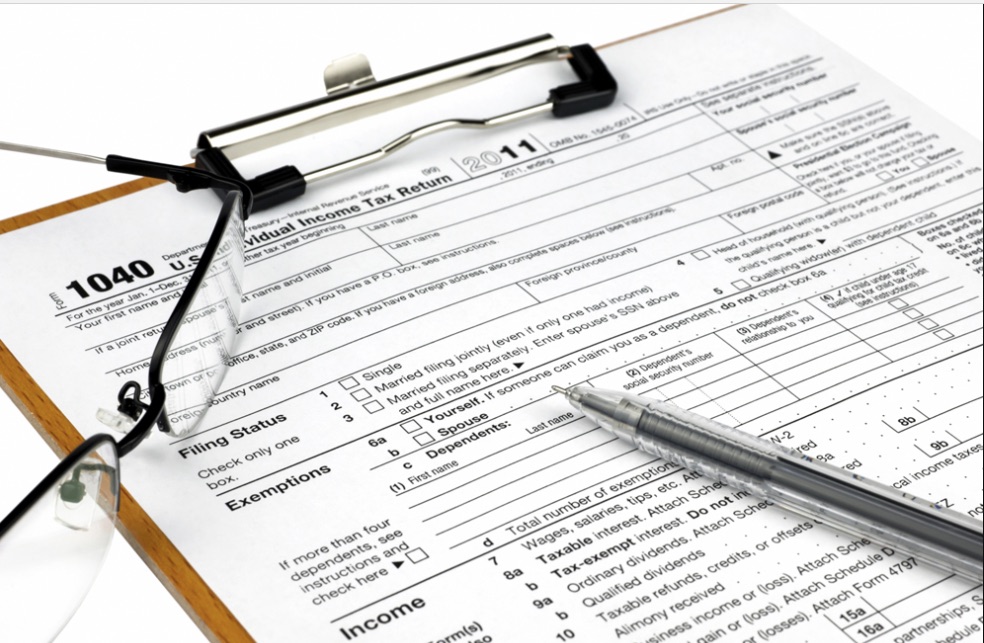
Occupying billions of hours and dollars, tax preparation in the United States could be much simpler if we just copied Estonia.
Through a mega study involving more than 60,000 participants, behavioral economists identified the most effective exercise nudges.
While a brown M&M and an unread college course syllabus seem very different, they both provide a lesson about the need for default options.
By increasing cigarette taxes, states provided an example that extends beyond smoking of how a higher cost leads to healthier habits.