October 31, 2025
When a sound product connects to a firm's identity, it becomes a differentiator that facilitates competition.
When a sound product connects to a firm's identity, it becomes a differentiator that facilitates competition.
More competition or or more protection became an issue when a snackmaker wanted to eliminate a copycate product.
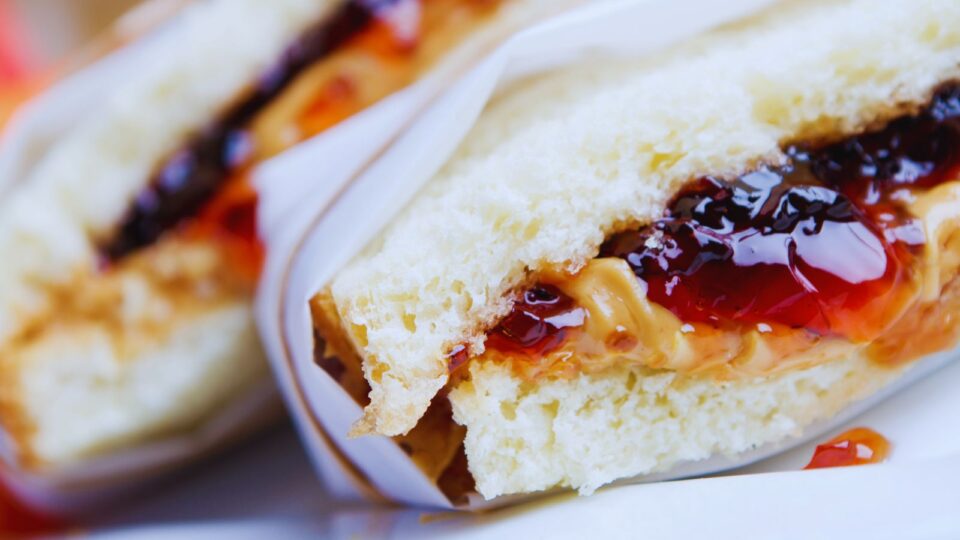
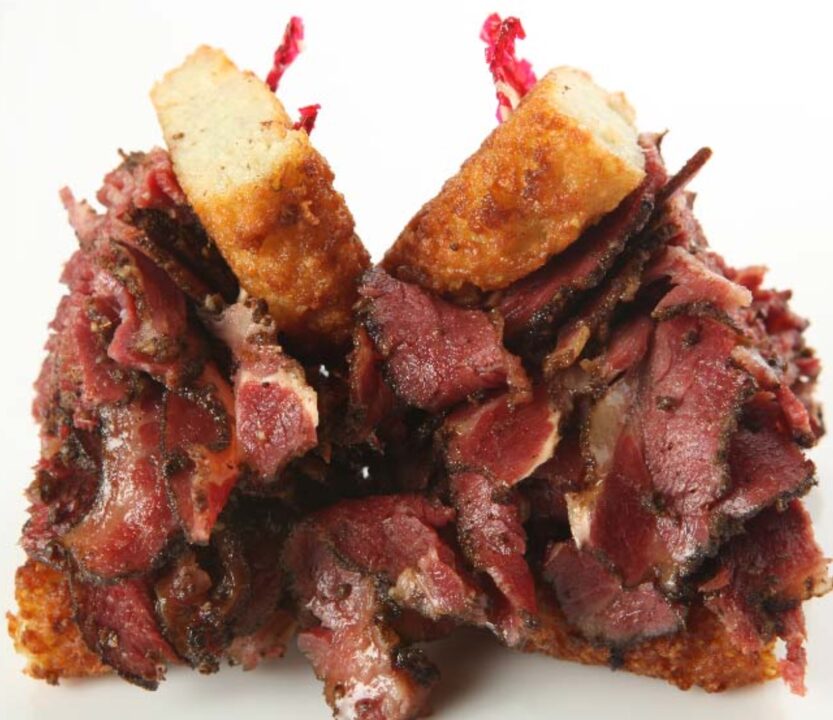
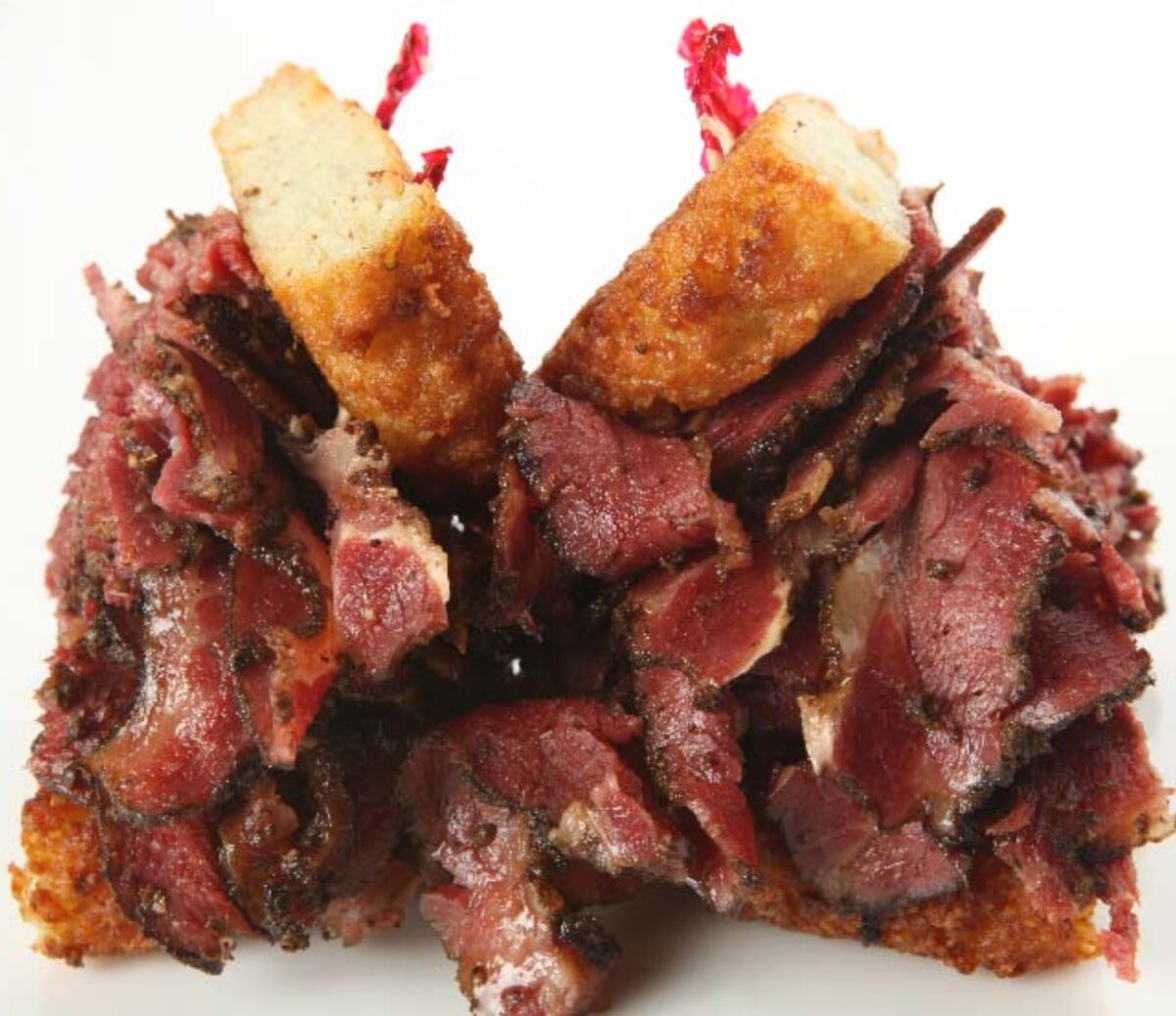
Whether it's a deli sandwich or a cookie or cracker package, look-alike products can wind up in court if they are too similar.
We can look at record catalog sales to see how musicians guarantee current income rather than waiting for possible future earnings.
We have a federal state contradiction when a business cannot get a marijuana trademark because it's (legally) selling a Schedule 1 substance.
Using securitization as an upfront payment to musicians for future royalties, Bowie Bonds were a Wall Street innovation.
Included in a long list of color trademarks, magenta belongs to T-Mobile but the precise hue and the industry where it's owned have been challenged.
Lay's Potato Chips became more than a snack when PepsiCo decided that a group of nine Indian farmers should not grow its special potatoes.
Looking at who did not pay Aretha Franklin for "Respect," we can see why music copyright law is being rewritten by the Congress.