June 30, 2015

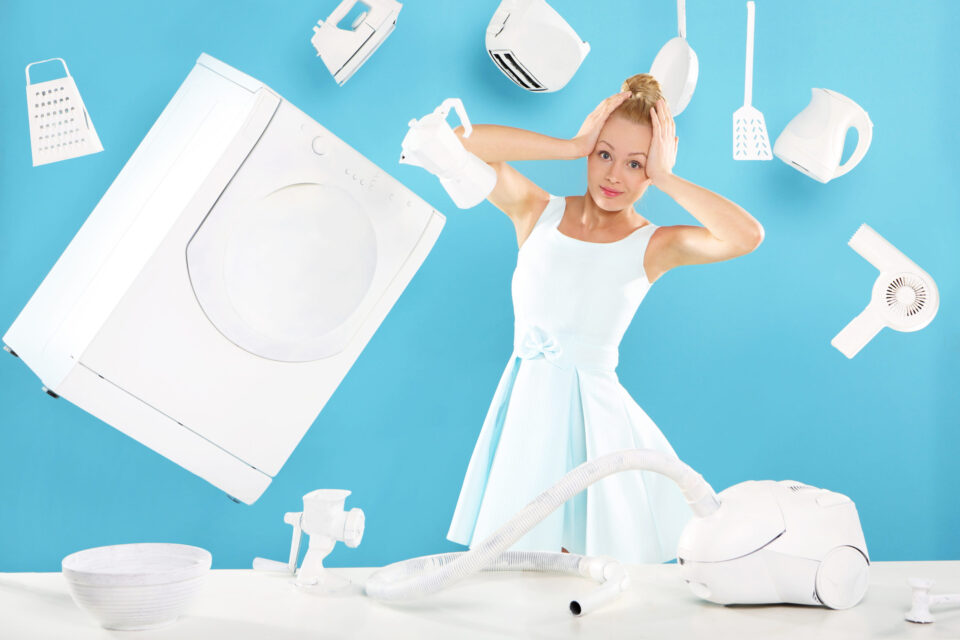
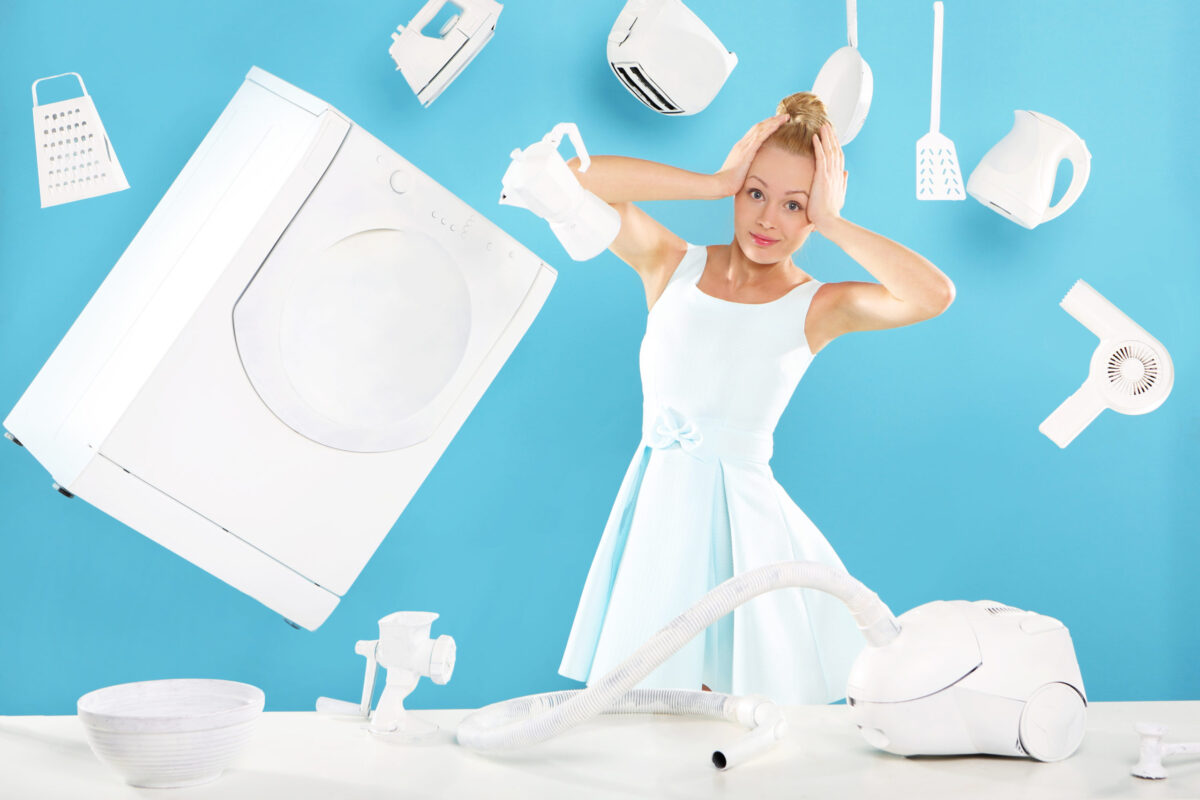
To the dollars families spend on children, we can add the cost of stress from the time we devote to developing a child's human capital.
To the dollars families spend on children, we can add the cost of stress from the time we devote to developing a child's human capital.
Our everyday economics includes scarcity, tradeoffs, cost, sustainability, hyperinflation, gender issues, externalities, African development, human capital.
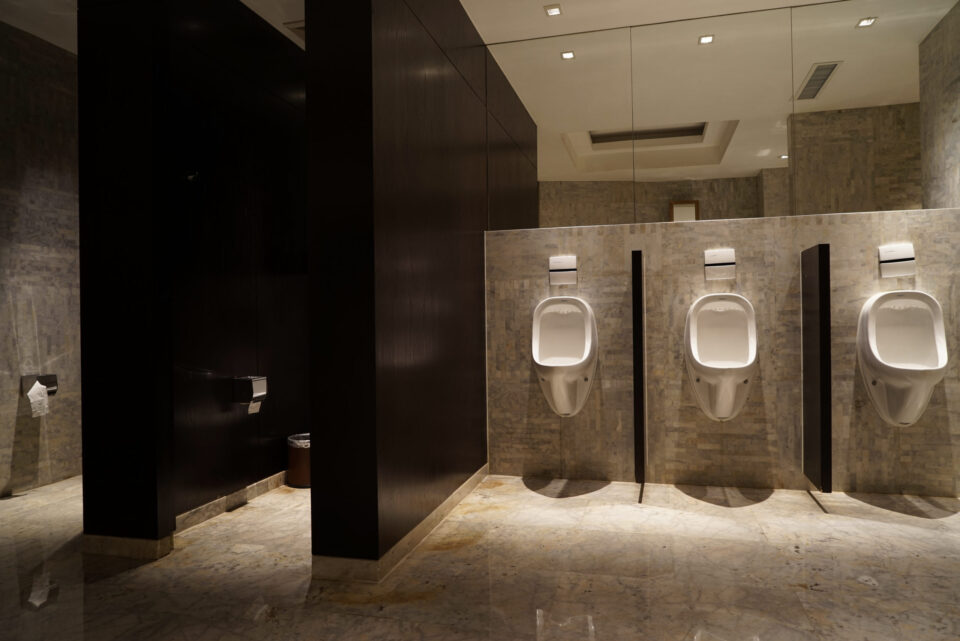
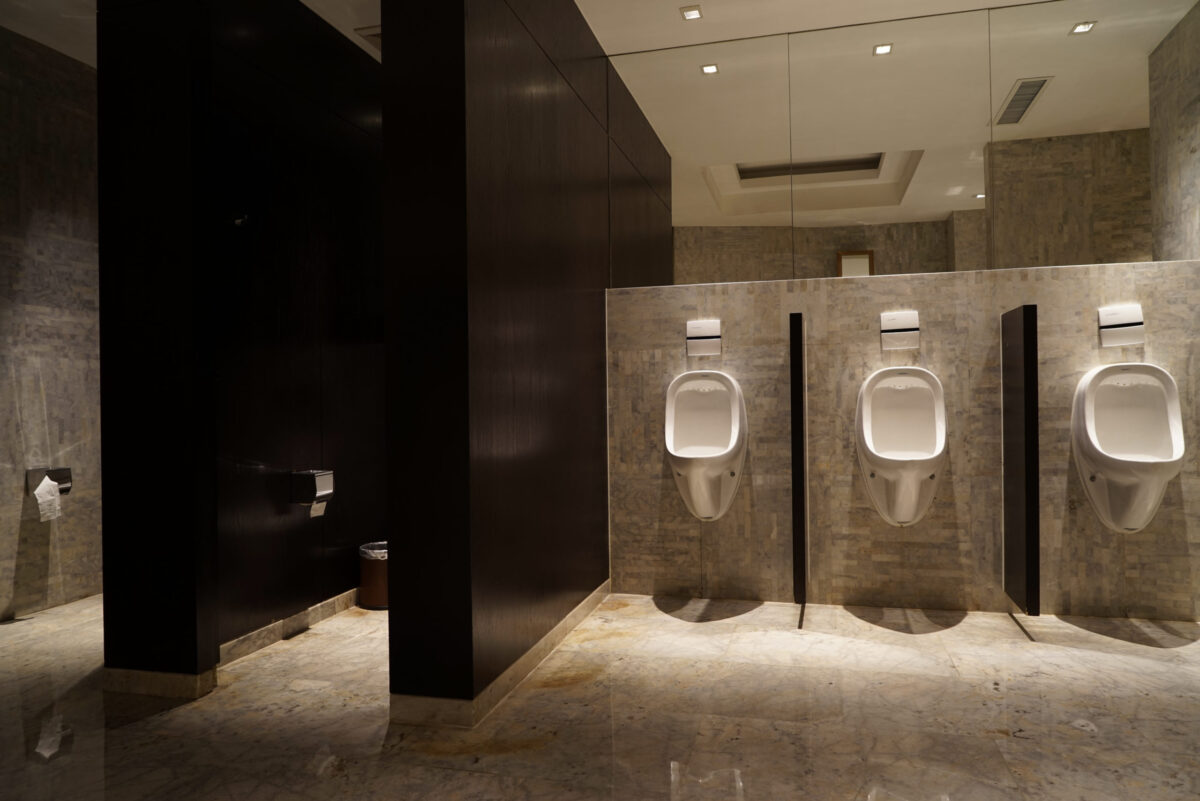
Called potty parity, equal access to public restrooms for women and men is a gender issue that creates negative externalities for women at work and leisure.
Our everyday economics includes externalities, branding, monopolistic competition, sovereign debt, game theory, elasticity, taxes, markets and the glass ceiling.
Wage data from 1981 to 2012 show that women who are top earners have made progress in cracking the glass ceiling but their numbers remain relatively low.
Our everyday economics includes innovation, incentives, environment, regulation, gender,monopolistic competition, oligopoly ,intellectual property and cost,
Stereotypical depictions of women in cartoons reinforces an expectations bias that men are authority figures while women are parents.
Our everyday economics includes behavioral economics, commitment devices, environment, supply, regulation, free trade, gender issues and the minimum wage.
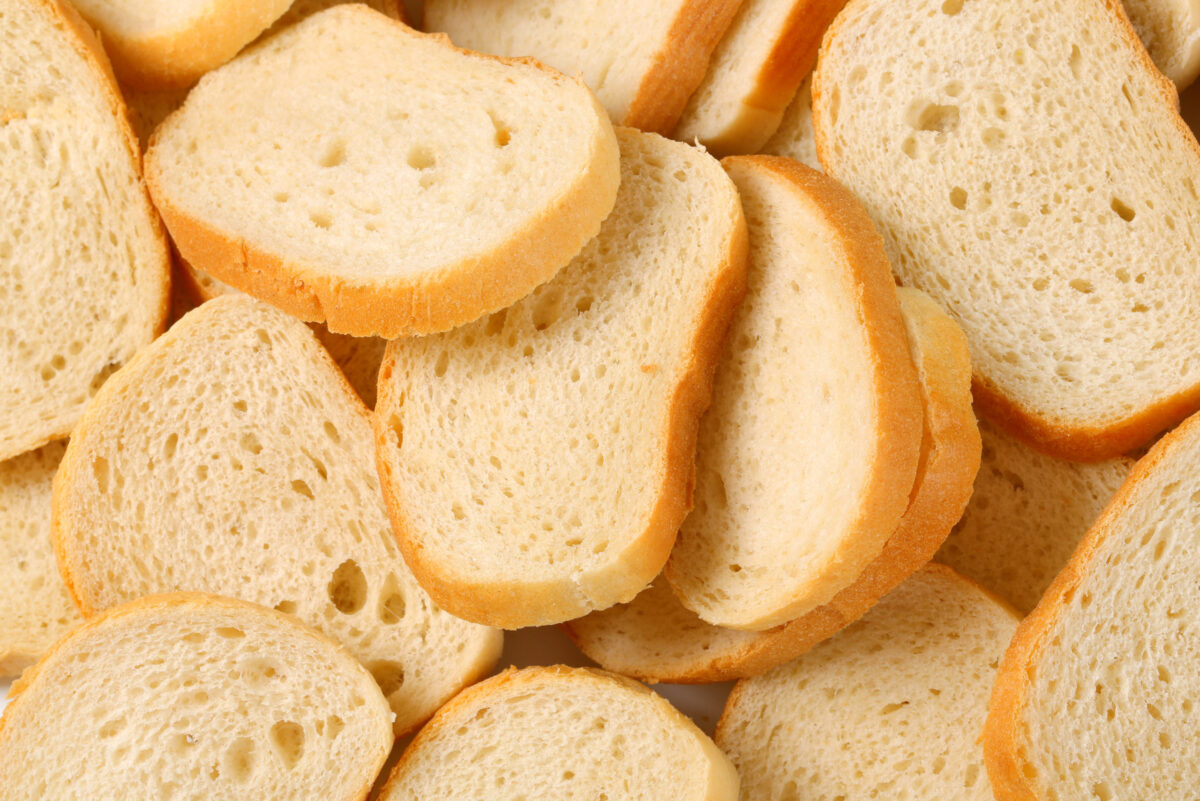
Through the industrialization of just one slice of bread, we can see the history of the U.S. economy since the beginning of the 20th century.
Our everyday economics includes behavioral economics, trade barriers, taxes, entitlements, externalities, intellectual property and industrialization.
As female labor force participation increased since the 1970s, so too has the income inequality that resulted from assortative mating of higher earners.