January 29, 2017
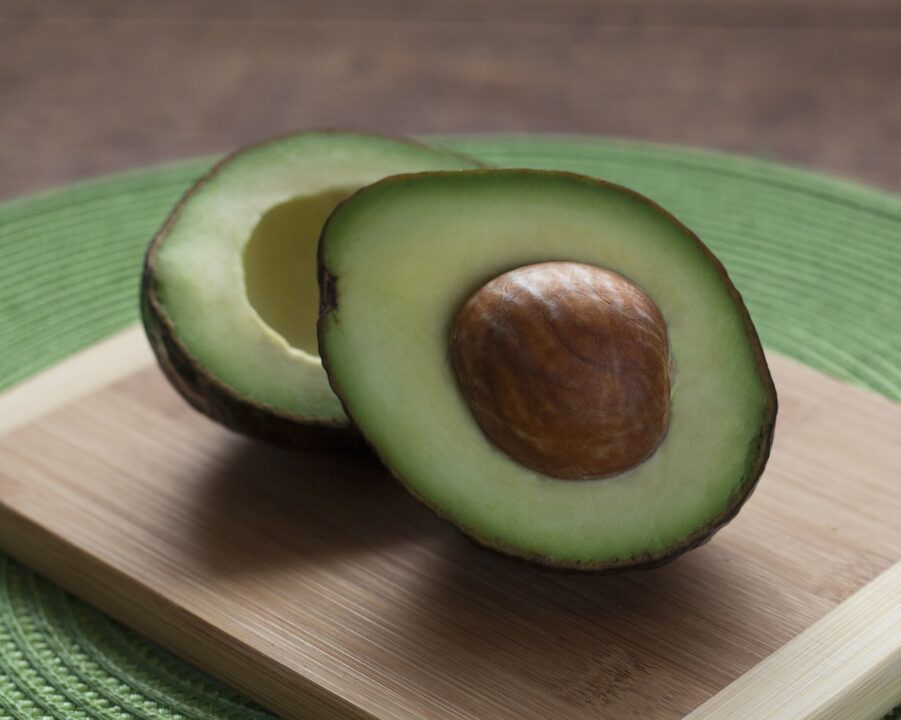
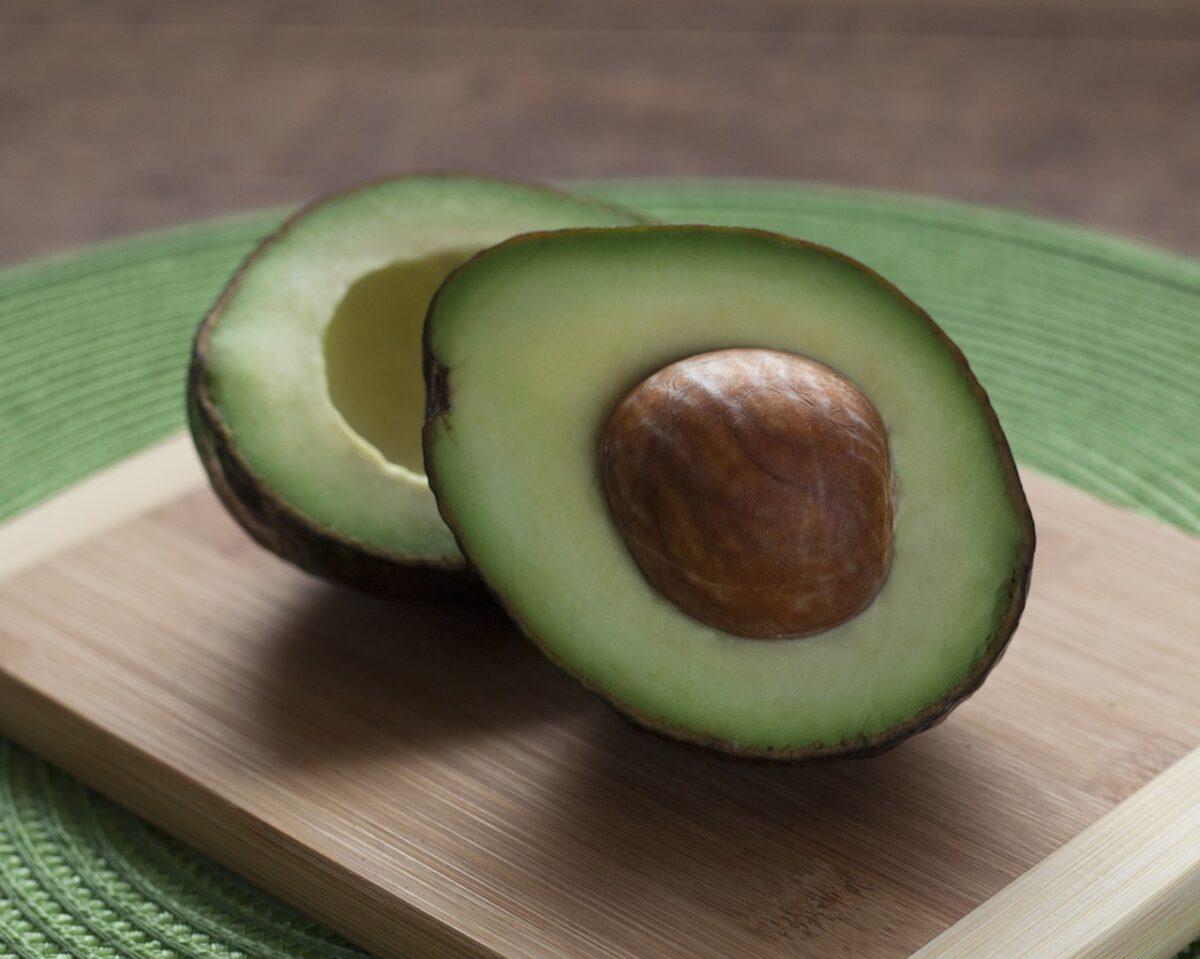
Because our avocados, onions, tomatoes and peppers could have come from Mexico, NAFTA changes will mean guacamole changes.
Because our avocados, onions, tomatoes and peppers could have come from Mexico, NAFTA changes will mean guacamole changes.
Low skilled labor bears more of the cost of free trade than comparative advantage and traditional economics have indicated.
This week's economic news summary included China's cloned cows, turkey facts and productivity,food lawsuits and limited liability and economic development.
The free trade pact that Congress is debating, the Trans-Pacific Partnership, has an ISDS (Investor-State Dispute Settlement) clause that's controversial.
Our everyday economics includes central planning, unintended consequences, comparative advantage, transportation infrastructure, cost & developing nations.
Displaying a shift in comparative advantage, some Chinese textile manufacturers are locating their factories the the U.S. rather than China.
Our everyday economics includes behavioral economics, commitment devices, environment, supply, regulation, free trade, gender issues and the minimum wage.
Looking at tires, fashion and NAFTA, we can see the lost jobs opposition to free trade and the pro free trade response.
While opponents of the TPP free trade deal cite currency manipulation, cheaper exports from countries with cheaper currencies save money for U.S. buyers.
Our everyday economics includes competition, progressive taxes, free trade, externalities, sunk cost, productivity, supply chain, incentives, & tradeoffs.
Although pacts like the TPP are politically controversial, economists have supported free trade since David Ricardo explained comparative advantage,
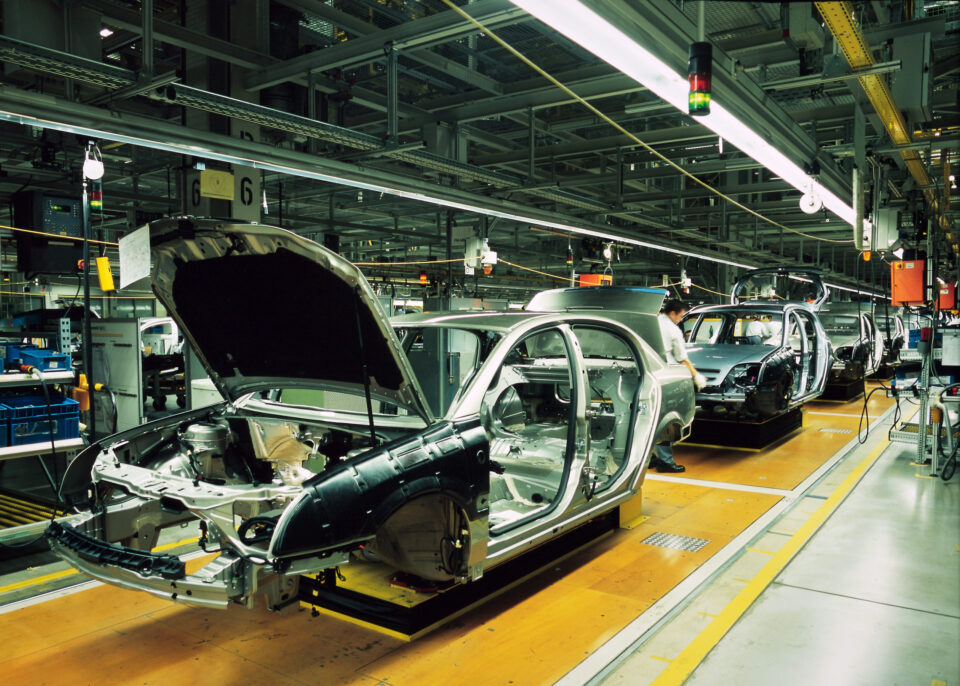
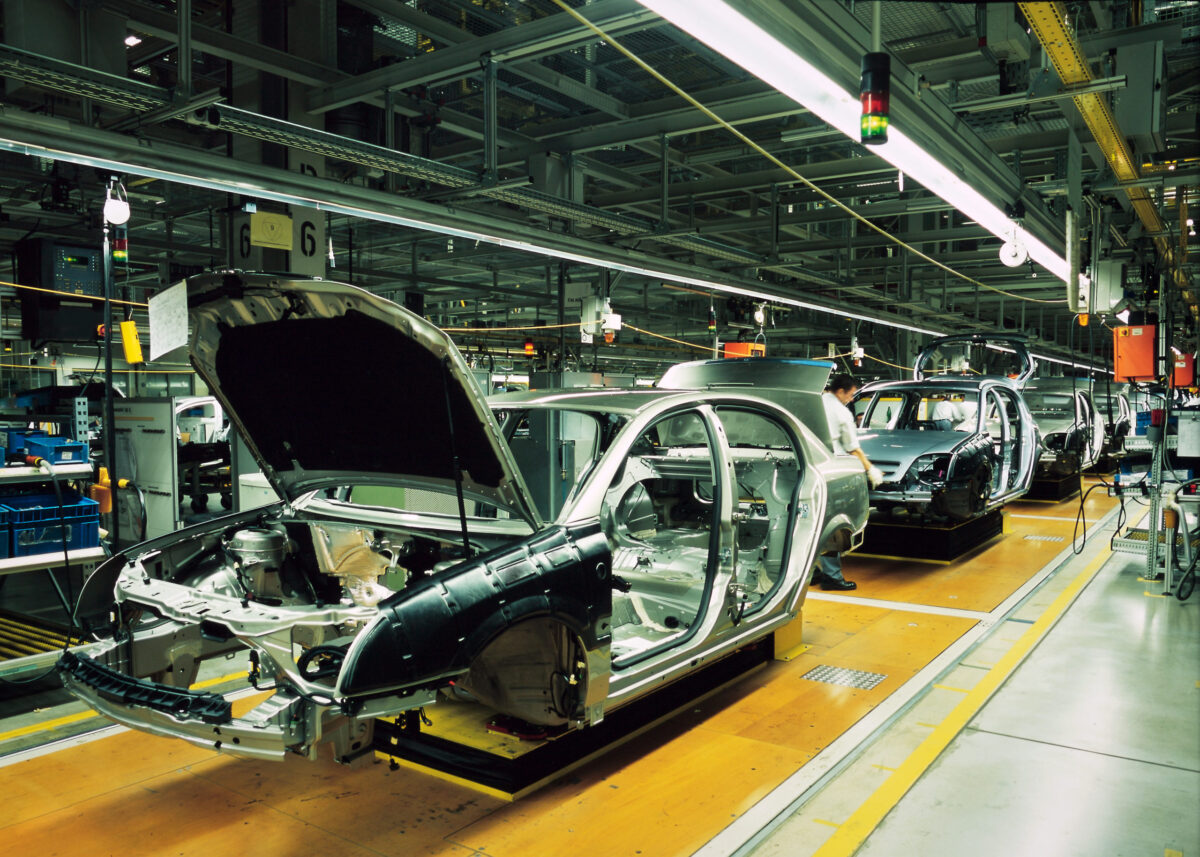
More than its low labor costs, Mexico is attracting car manufacturers away from the U.S. because it has free trade agreements with more than 40 countries.