
September 20, 2014

September 17, 2014

Because restaurants engaging in monopolistic competition need to differentiate themselves, they use their menu language to show their high or low price qualities.
September 13, 2014

Our weekly roundup includes stories from everyday economics that relate to creative destruction, taxation, price floors, labor markets and entitlements.
September 9, 2014

For 350 years, the Russian government has optimized the money it gets from vodka sales by creating a monopoly that takes advantage of inelastic demand.
September 6, 2014
Our weekly roundup includes stories from everyday economics that relate to the market, the minimum wage, the price system and productivity & human capital.
September 3, 2014

August 31, 2014
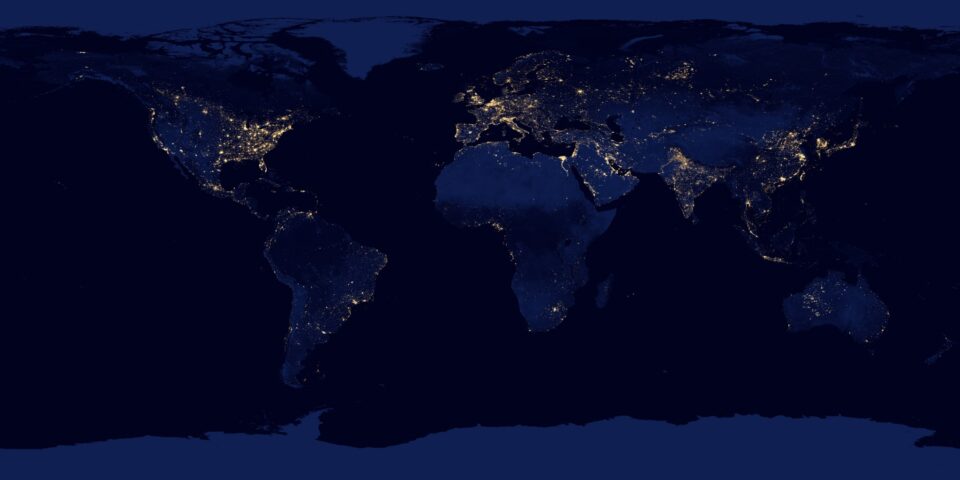
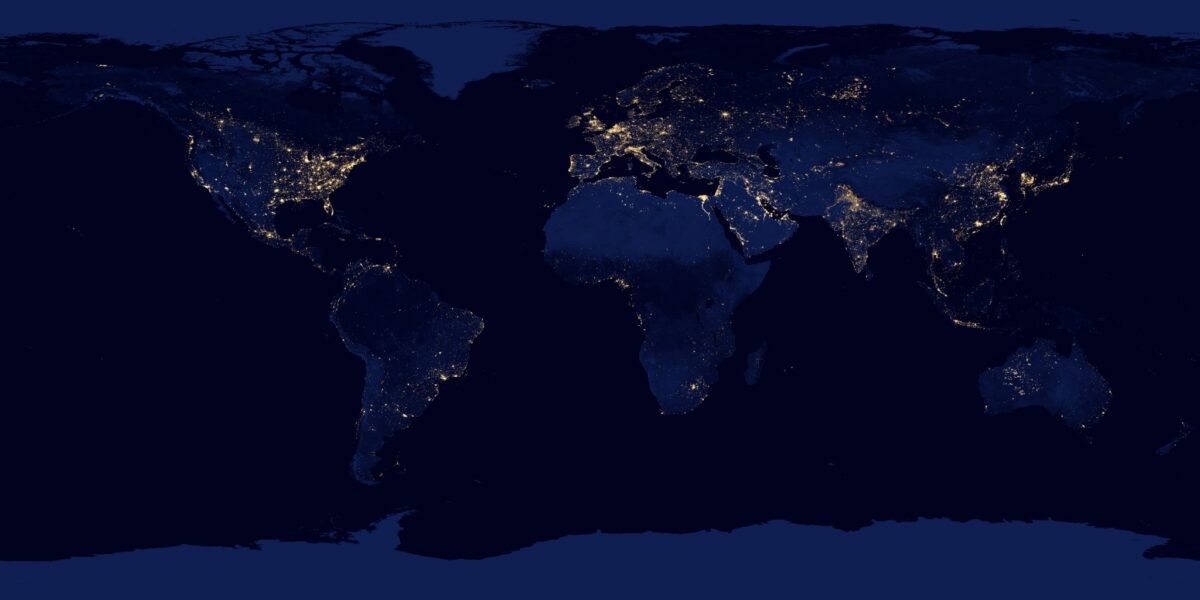
From statistics and a satellite image of the world at night, we can see that developing countries lack the electrification they need for economic growth.
August 30, 2014
Our weekly roundup includes everyday economics that relate to opportunity cost, corporate taxation, GDP, monopolistic competition & negative externalities.
August 29, 2014

According to Ronald Coase, if reclining in an airline seat creates a negative externality, both parties can negotiate because the transaction costs are low.
August 28, 2014
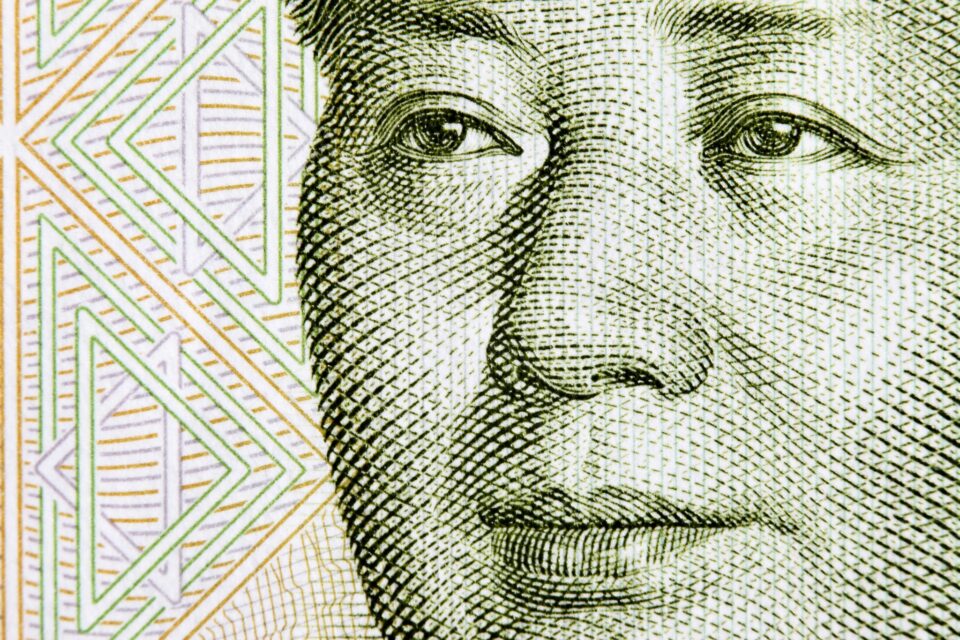
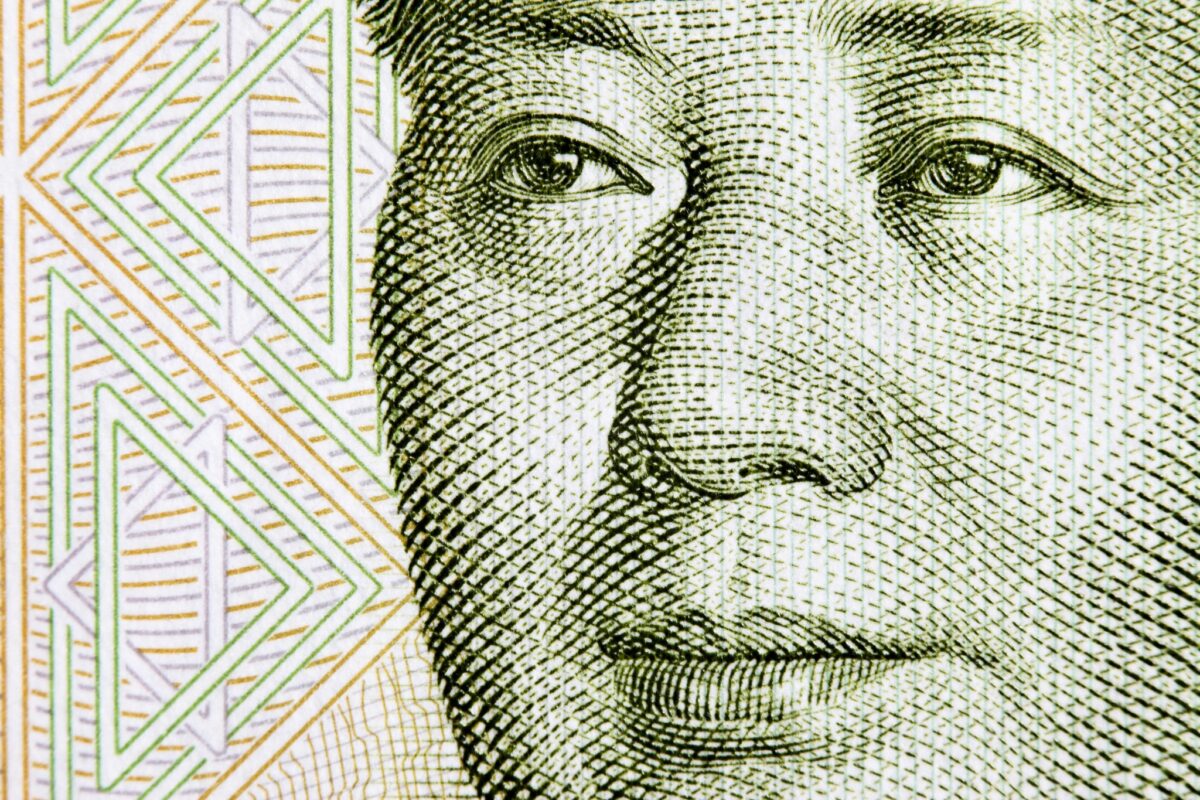
Led by Chinese economic growth and other emerging markets, the center of economic gravity is moving eastward from the developed world to Asia.
August 27, 2014

Whereas natural disaster preparation can save lives, it might have too high an opportunity cost to make sense or be a ShakeAlert that has been proven.
August 24, 2014









Shaped by monopolistic competition, the behavior of McDonald's and Starbucks attracts different groups of consumers.