
November 19, 2014

November 15, 2014

This week's everyday economics stories included minimum wage, price floors, cost-benefit analysis, behavioral economics, financial regulation and public goods.
November 13, 2014
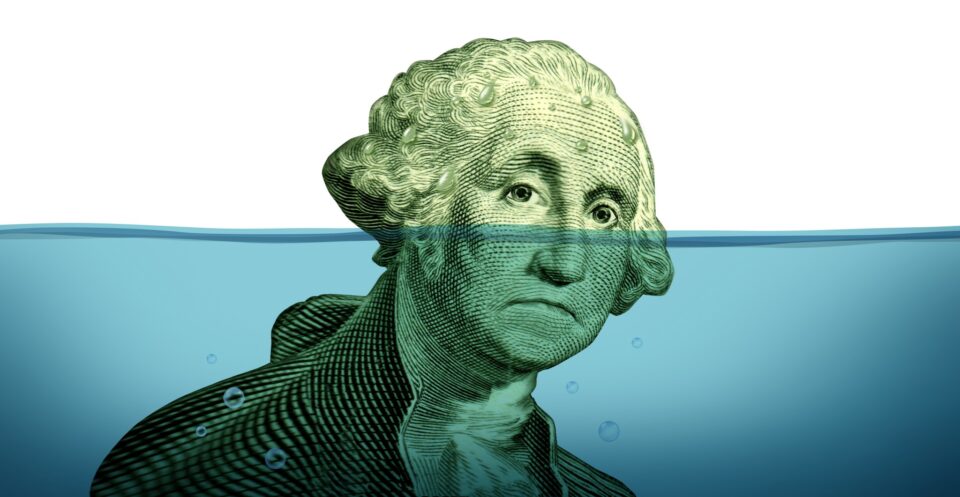
Although protestors in Detroit and Ireland say water is a human right, economists, citing a definition of a public good and a tornado alarm, would disagree.
November 10, 2014
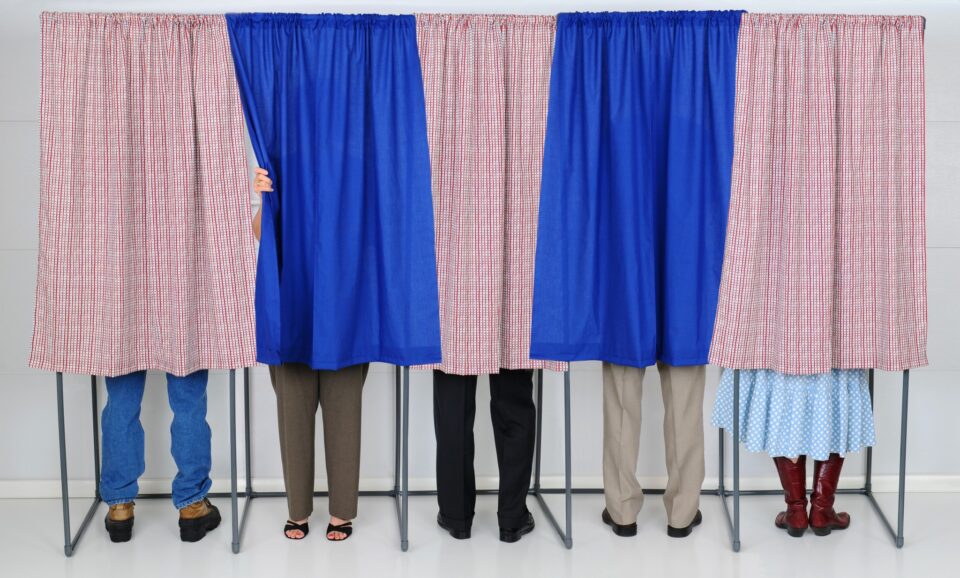
Because "I Voted" stickers indicate voting is a social norm, like paying taxes or saving electricity, people are more likely to act like their neighbors.
November 8, 2014
This week's everyday economics stories included spillover, externalities, incentive, opportunity cost, sovereign debt, demand and financial intermediaries.
November 7, 2014

November 4, 2014
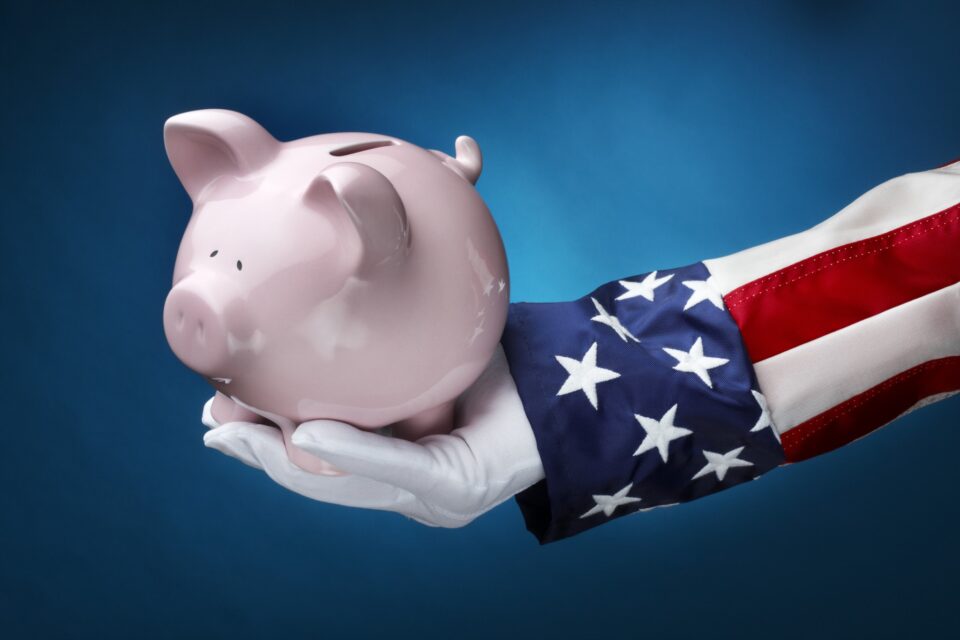
Very long term federal debt that has no date for redemption like UK First World War bonds and U.S. Revolutionary War debt depend on good public credit.
November 3, 2014
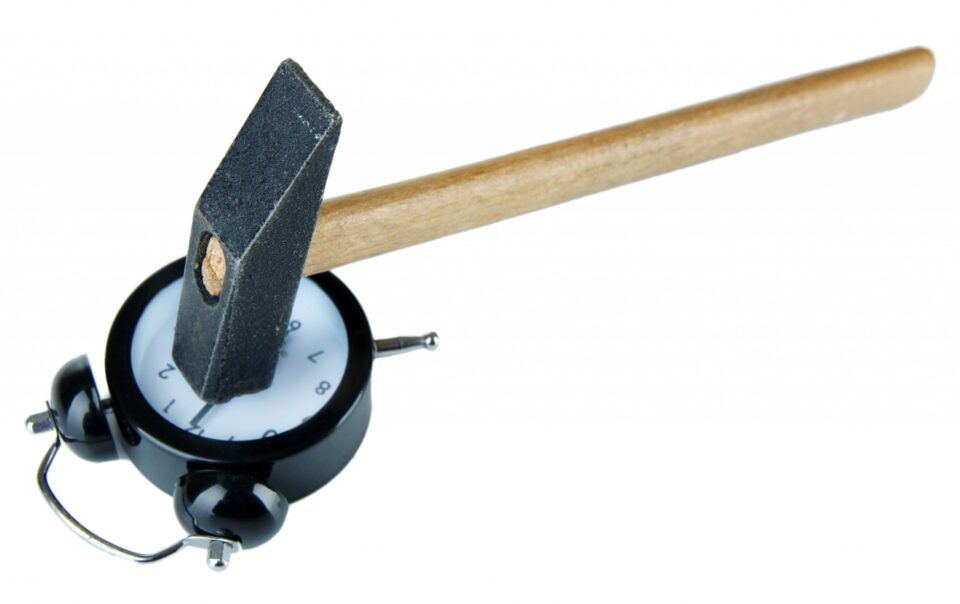
We should cancel daylight saving time because studies show that the opportunity cost of energy use has changed since Ben Franklin suggested "early to rise."
November 1, 2014
This week's everyday economics stories involved quantitative easing, monetary and fiscal policy, supply and demand, ROI, GDP, unemployment and inflation.
October 30, 2014

While Ebola fear caused raw cocoa futures prices to rise in September, its long term rise has been because of more demand from developing nations.
October 29, 2014

China might not fuel world economic growth if instead of a 7 percent real GDP growth rate forecast, we use a regression to the mean of 3.9 percent.
October 27, 2014




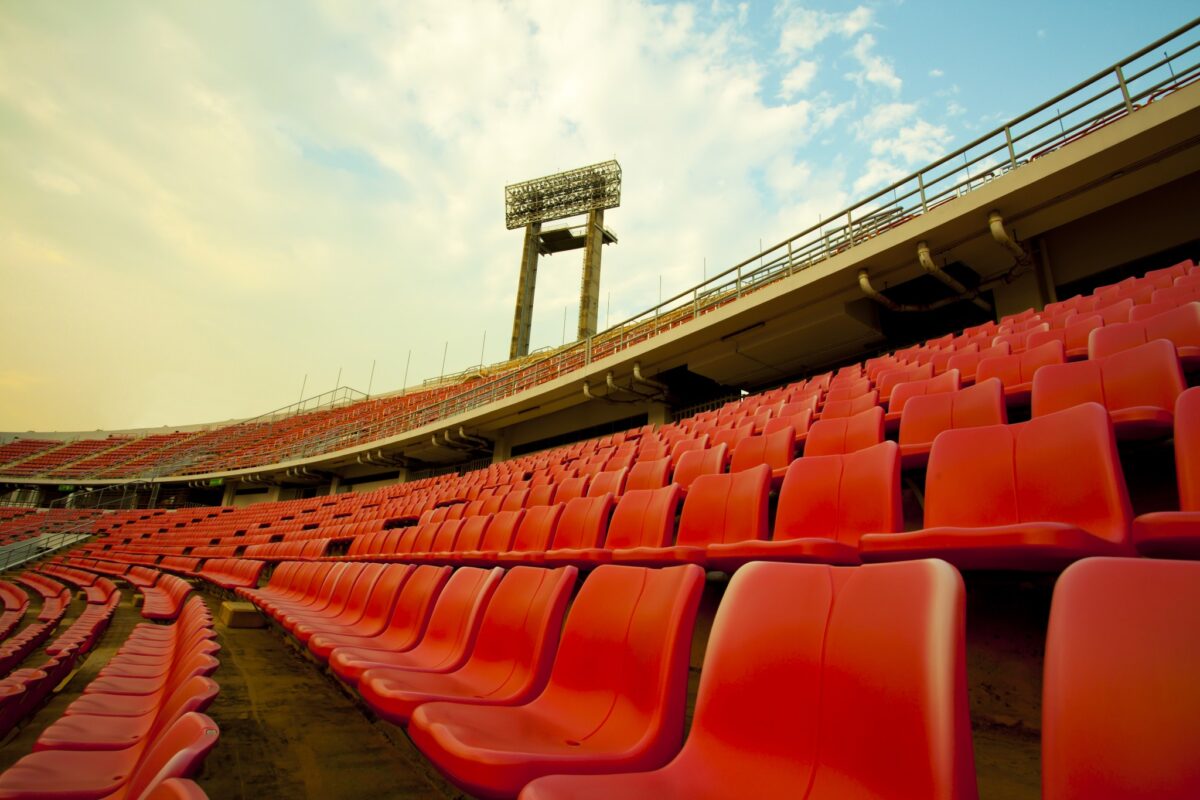
Because host countries for the Olympics and World Cup spend too much on new stadiums, their subsequent return on investment (ROI) is usually inadequate.