January 10, 2015

This week's everyday economics involved 6 economists and such ideas as product differentiation, behavioral economics, marginal utility, price and trade.
This week's everyday economics involved 6 economists and such ideas as product differentiation, behavioral economics, marginal utility, price and trade.
Behavioral economic ideas show that product differentiation and consumer preference are more from branding than the taste of colas or beers.
Our everyday economics include globalization, opportunity cost, inflation, employment, monetary policy, negative externalities, recession, business cycle.
A top ten list for sounding like an economist is economic humor that might come in handy.
Whether health insurance or individuals pay for healthcare, treatment decisions relate to the opportunity cost of using the time, money and resources.
The expense and complexities of switching to the metric system have prevented the change, and have affected how standard weights and measures help globalization.
Our everyday economics include consumption expenditures, Pigovian taxes, variable pricing,economies of scale, unskilled labor, national income and the money supply.
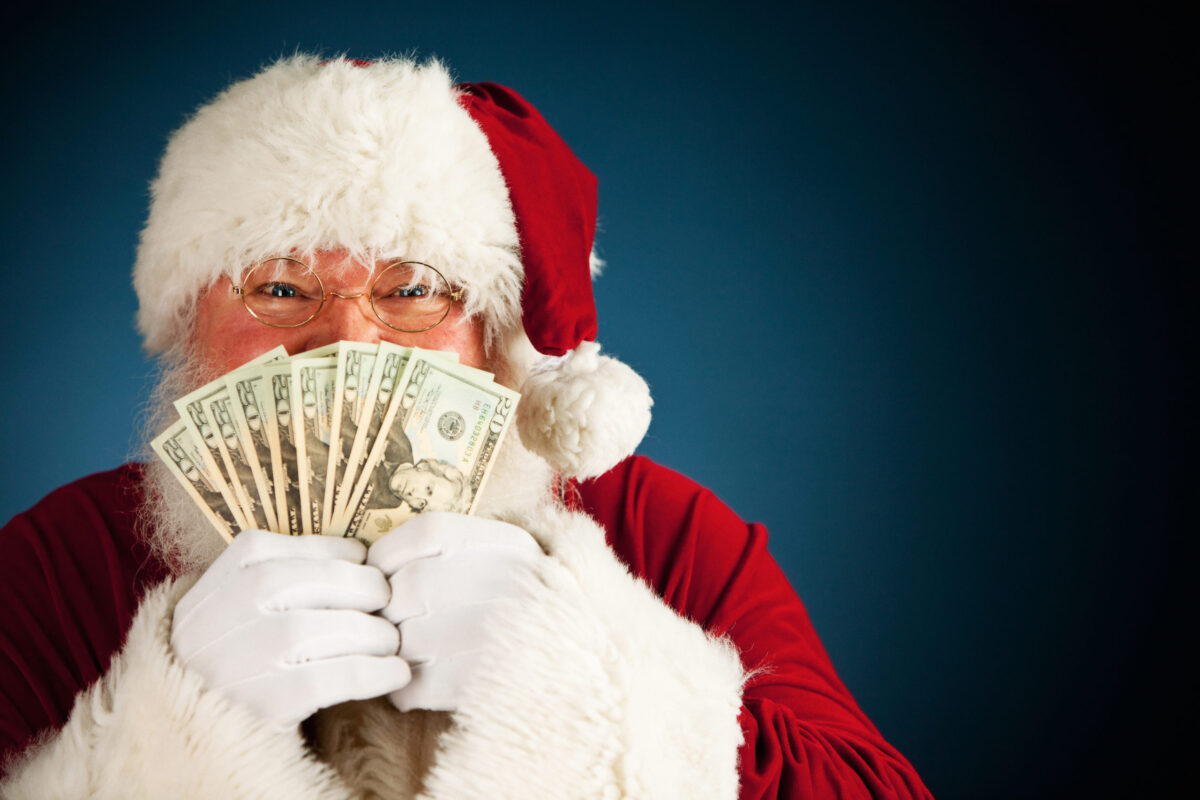
Part of keeping the money supply at the right level involves the Fed monitoring the paper money that enters circulation and recycling cash that leaves it.
If they tried to include the work that moms and dads do at home, national income accounting statisticians would have a tough time quantifying unpaid work.
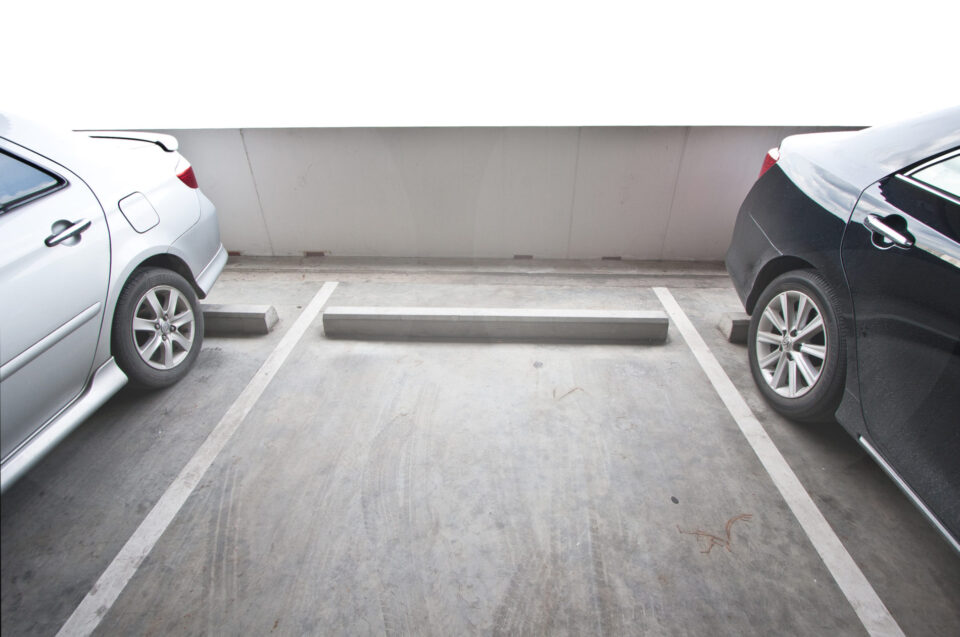
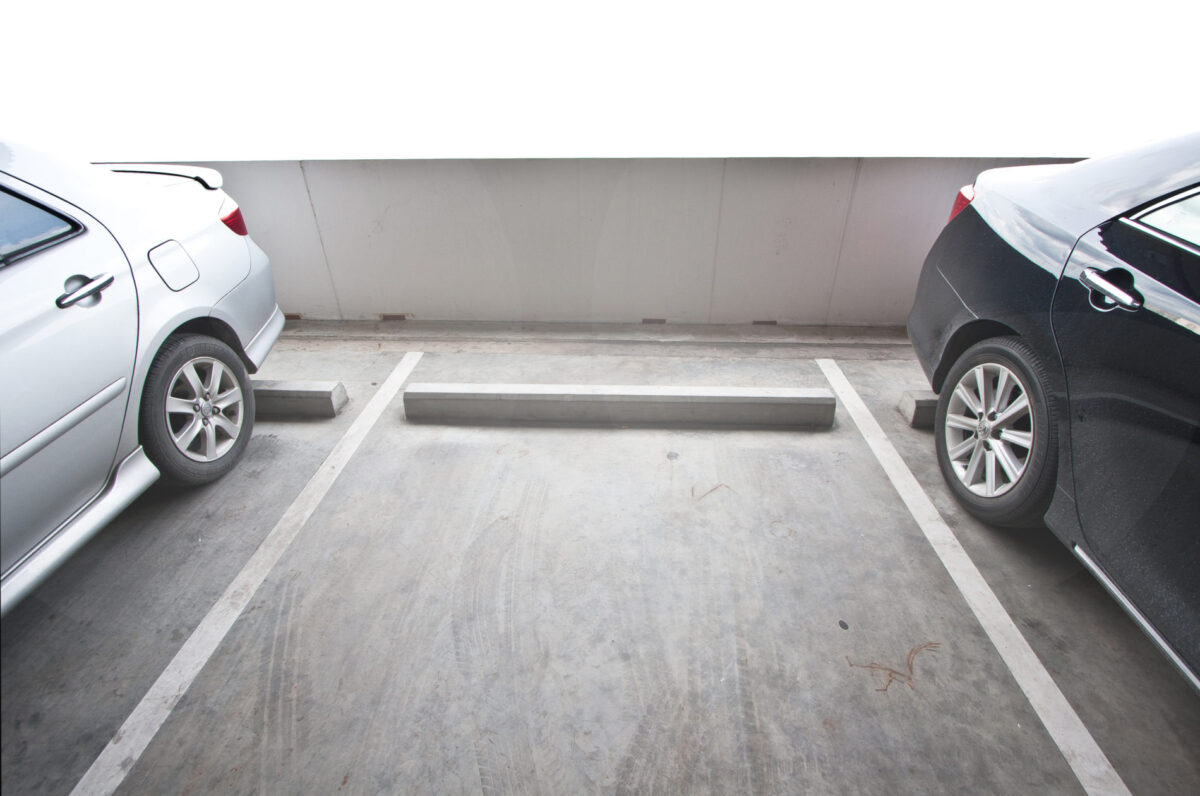
Including congestion, wasted gas, time and emissions, cheap parking creates negative externalities that variable pricing of parking spaces can eliminate.