May 31, 2015

Default or shortcut options become more attractive when decision making takes too much energy because of choice fatigue.
Default or shortcut options become more attractive when decision making takes too much energy because of choice fatigue.
Our everyday economics includes innovation, incentives, environment, regulation, gender,monopolistic competition, oligopoly ,intellectual property and cost,
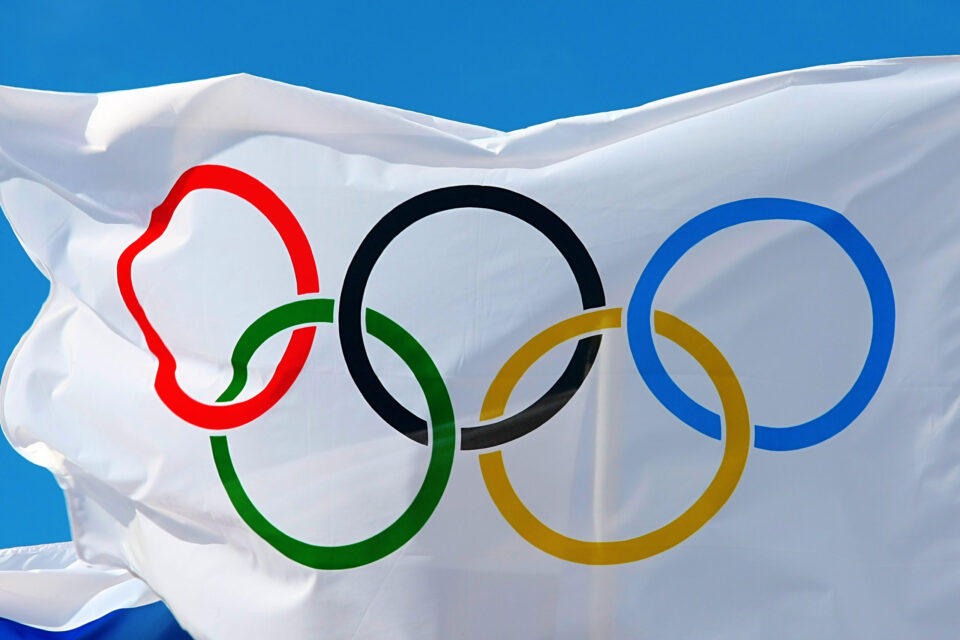
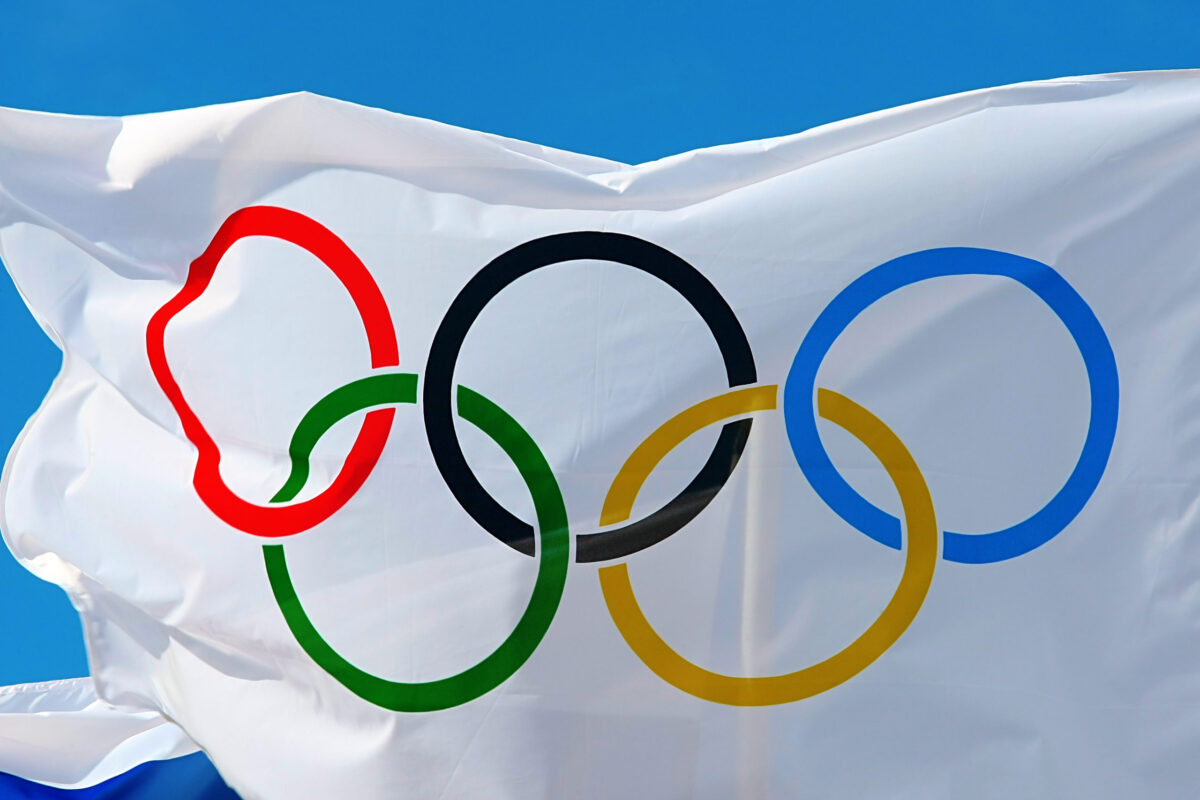
As with most mega-projects, 2024 Olympic spending is likely to exceed projected costs and provide fleeting glory for any city that hopes to be a host.
For monopolistic competition and oligopoly, firms can achieve product differentiation through sounds that are associated with one good or service.
Stereotypical depictions of women in cartoons reinforces an expectations bias that men are authority figures while women are parents.
Investigating intrinsic and extrinsic incentives, researchers have explained why money does not always promote positive performance.
Our everyday economics includes behavioral economics, commitment devices, environment, supply, regulation, free trade, gender issues and the minimum wage.
Through the industrialization of just one slice of bread, we can see the history of the U.S. economy since the beginning of the 20th century.
Our everyday economics includes behavioral economics, trade barriers, taxes, entitlements, externalities, intellectual property and industrialization.
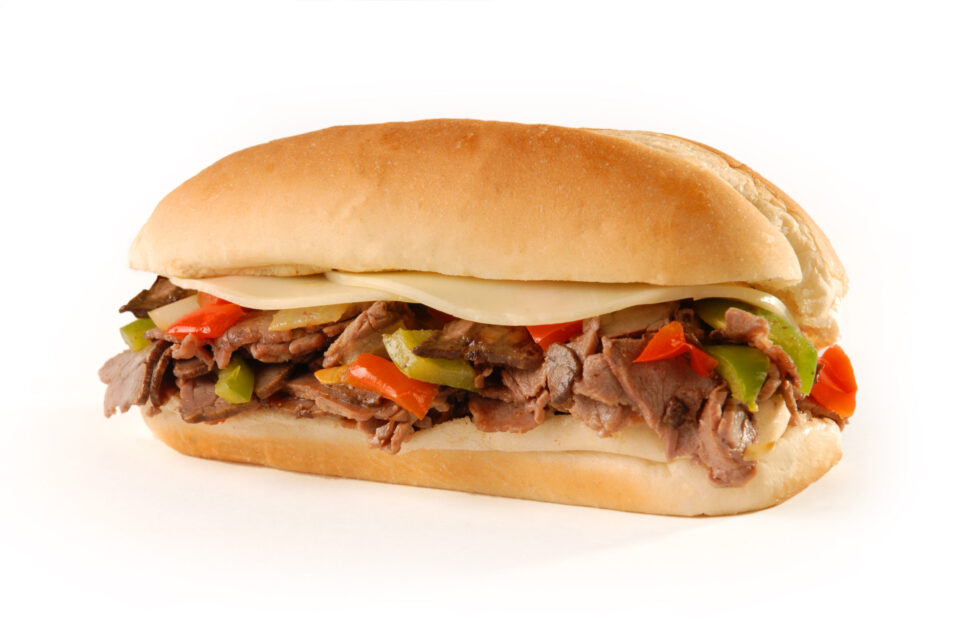
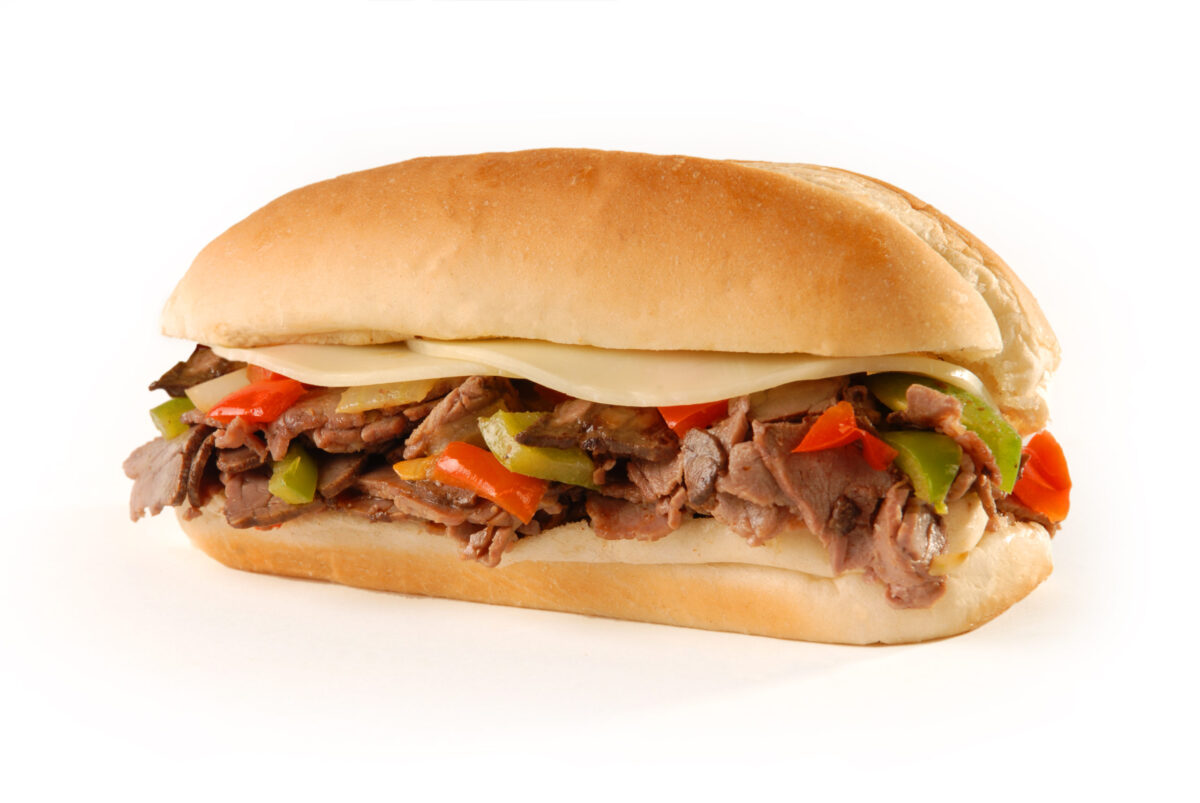
Classified as intellectual property, a new cut of meat and a new dress design are viewed differently by patent and trademark laws.
Caused by aging baby boomers, expanded criteria and the remnants of the great recession, SSDI entitlement spending is approaching insolvency.
Although highly educated women have started having more children, academic studies indicate that children do not necessarily help our subjective well-being.