
April 20, 2018

April 19, 2018
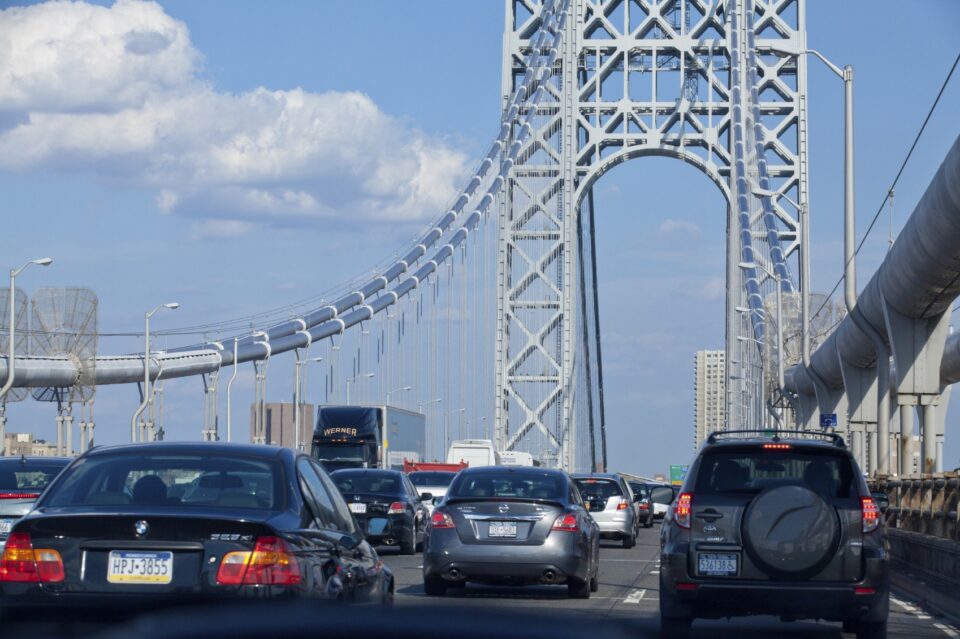
With more drivers using Waze and other traffic apps to avoid rush hour delays, local neighborhoods have begun to resist the disruption.
April 18, 2018

A paradox explains why our concern for wildlife conservation might not extend to the charismatic animals we most care about.
April 17, 2018
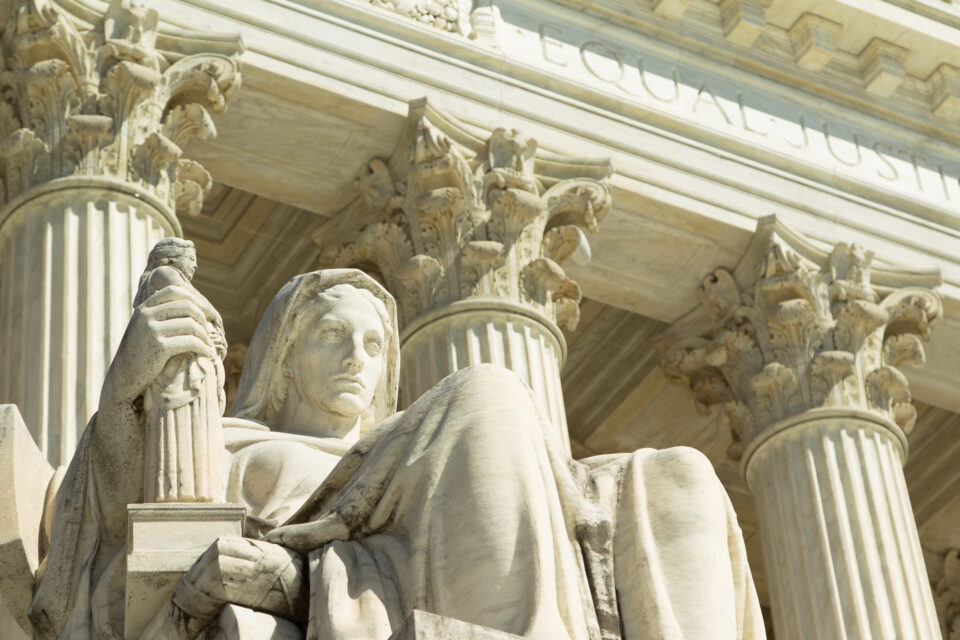
The internet taxes that none of us pay may soon be required by the Supreme Court if South Dakota wins a decision against Wayfair.
April 15, 2018

Whether looking at chicken paws or hog hooves, U.S. and China food tastes have worked well together until U.S. and Chinese tariffs have upset the benefits of the relationships.
April 14, 2018

Connecting economics, current events, and history, our weekly economic news roundup ranges from inflationary ratings and misery indexes to new budget worries.
April 12, 2018
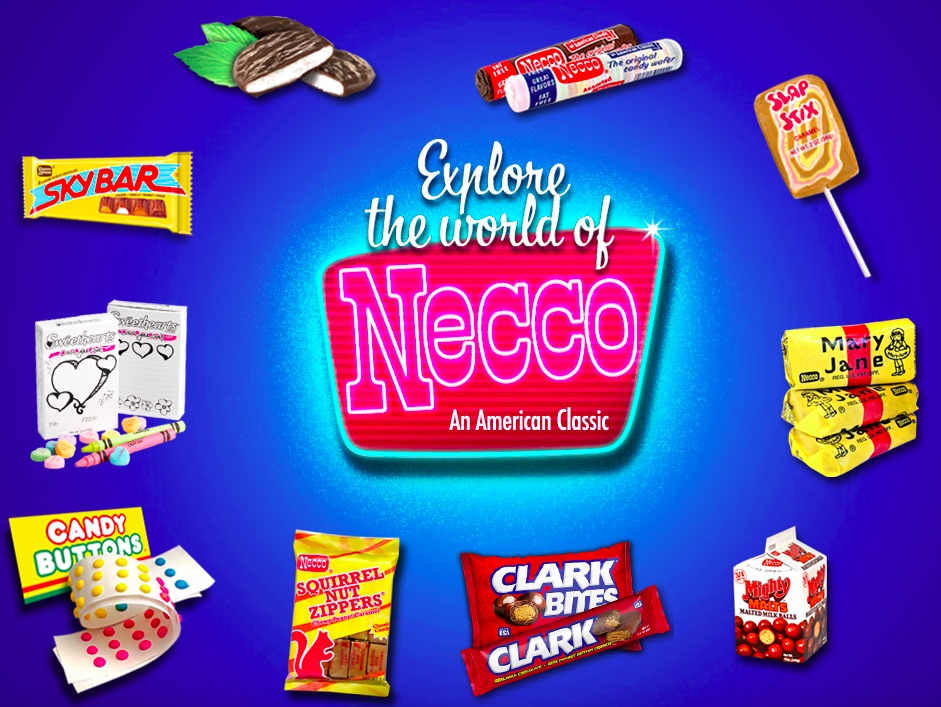
Told that their least favorite candy might no longer exist, people are panic buying NECCO wafers and Sweethearts because the New England Confectionary Company could shut down.
April 11, 2018

When cities like San Francisco pass rent control legislation to create affordable housing, they could wind up with unintended consequences.
April 10, 2018
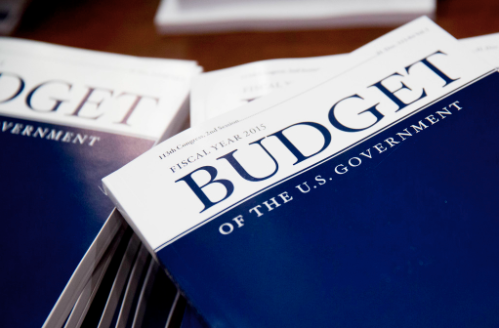
While the CBO's (Congressional Budget Office) 2018-2028 report presents federal budget projections, the numbers also reflect the tradeoffs and some tough decisions.
April 9, 2018
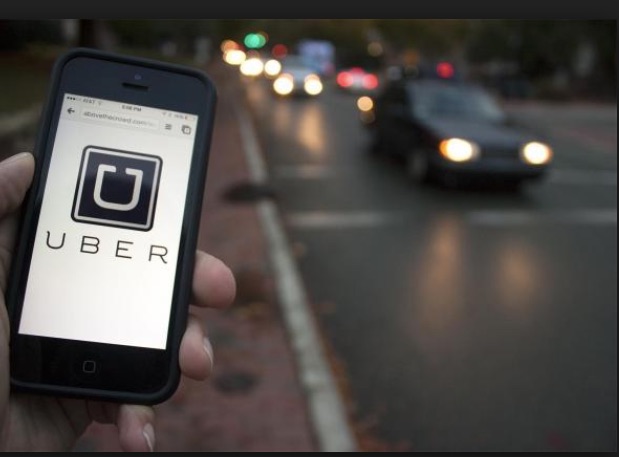


There are some good reasons that most of us are contributing to a reputation inflation that diminishes the meaning of an Uber driver rating score.
April 7, 2018
Connecting economics, current events, and history, our weekly economic news roundup ranges from wine tariffs and grocery shoppers to the importance of gender neutrality.
April 6, 2018
About much more than the buyer, a customer score helps ride providers like Uber and retailers like Best Buy use their resources more effectively.