February 27, 2020

When it announced its $13 billion deal for E*Trade, Morgan Stanley reminded us of the reason it was created during the 1930s.
When it announced its $13 billion deal for E*Trade, Morgan Stanley reminded us of the reason it was created during the 1930s.
When companies replace single use cups with mugs and glasses, the employee response has been somewhat like our use of gym memberships.
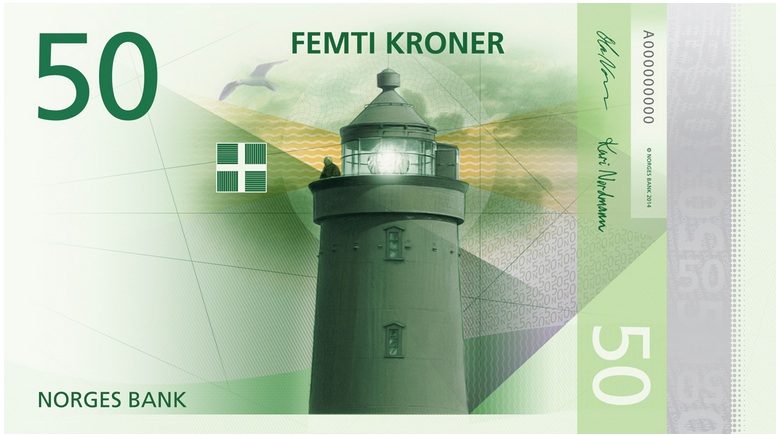
Looking at Scandinavian taxes, we can see the tradeoffs that government provided healthcare, university tuition, parental leave, and elder care require.
Seeing where the rule of law is stronger can tell us why certain nations have more economic development and others sink under the weight of corruption.
Rather than gouging or profiteering, higher prices are best described as the incentives we need to boost the world's face mask supply.
Connecting economics, current events, and history, this week's economic news roundup ranges from a president's economic power to the coronavirus and garlic.
While we've heard the coronavirus impact on two cruise ships and on Apple's projected revenue, its impact on garlic is less well known.
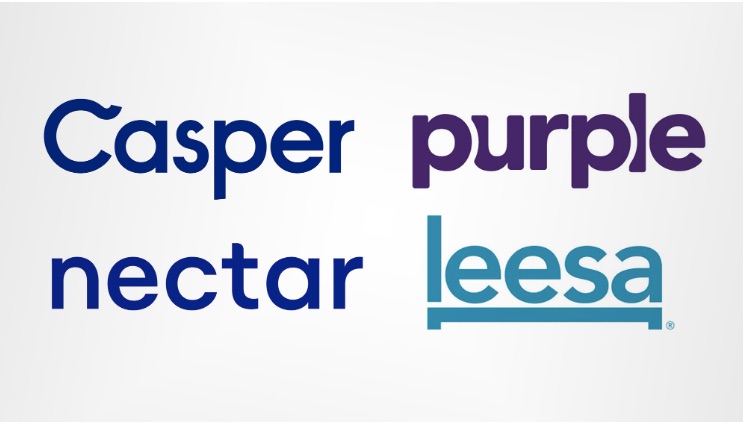
An example of the revolution in mattress markets, Casper has been a leader and a victim of the competition that its innovation inspired.
While we know that GDP can influence an election, economists also ask whether the results of the election will affect the GDP.
Connecting economics, current events, and history, this week's economic news roundup ranges from defining socialism to the causes of catastrophes.
Looking at an economist's Valentine, we would find production possibilities, inelasticity, marginal returns, and also some poetry.