September 8, 2020

Although spectators watch the Tour de France for free along its route, the race is able to generate huge revenue for its owners.
Although spectators watch the Tour de France for free along its route, the race is able to generate huge revenue for its owners.
On this Labor Day, we can explain the "middle-class time squeeze" by looking at how time/money tradeoffs changed a family's division of labor.
Connecting economics, current events, and history, this week's economic news roundup ranges from tourism problems to calorie concerns.
Released during June, the 2020 American Time Use Survey (ATUS) gives us the perfect opportunity to see the impact of working remotely.
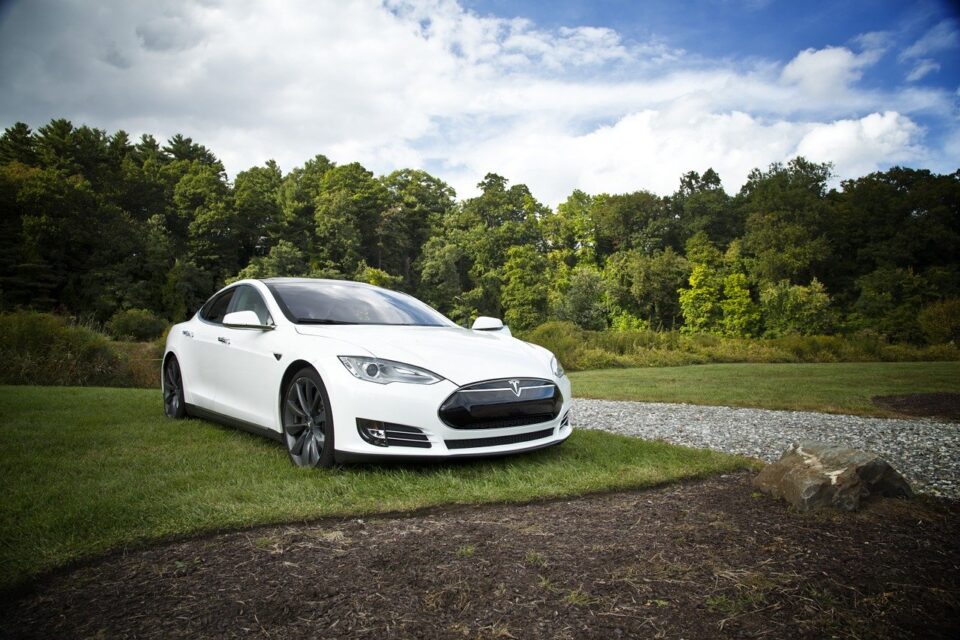
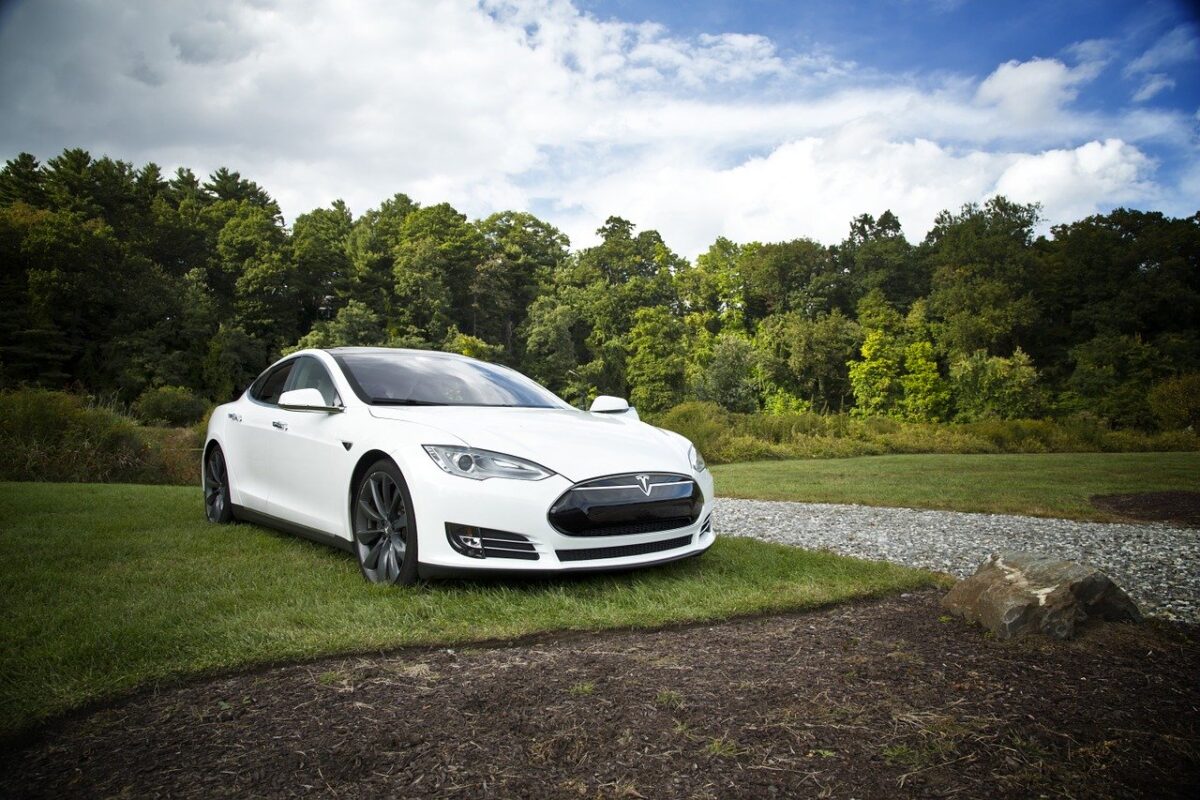
Separated by 100 years, mass producing Teslas and mass producing Model T Fords reflect the innovation that makes an invention available.
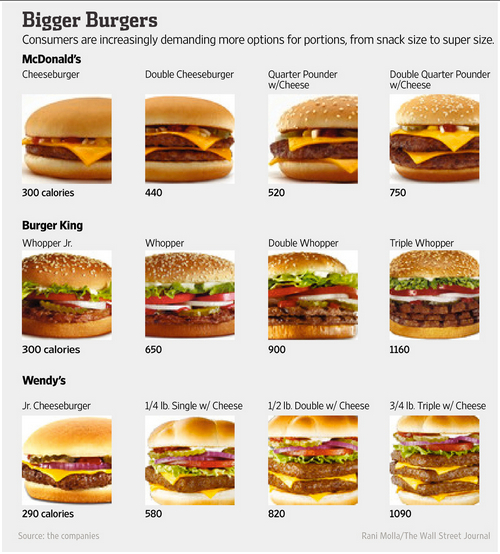
While the purpose of restaurant calorie labels has been to provide diners with more information, it did not work out entirely as expected.
For countries with smaller economies that depend on tourism spending, the impact of the Covid-19 pandemic will be even more devastating.
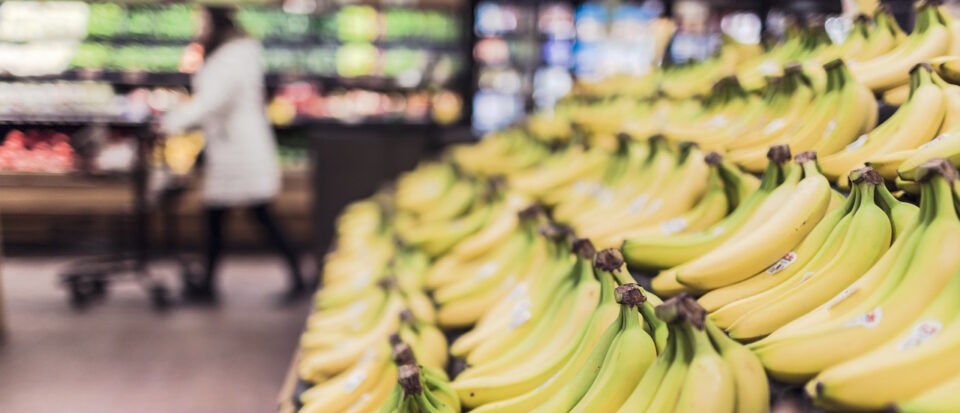
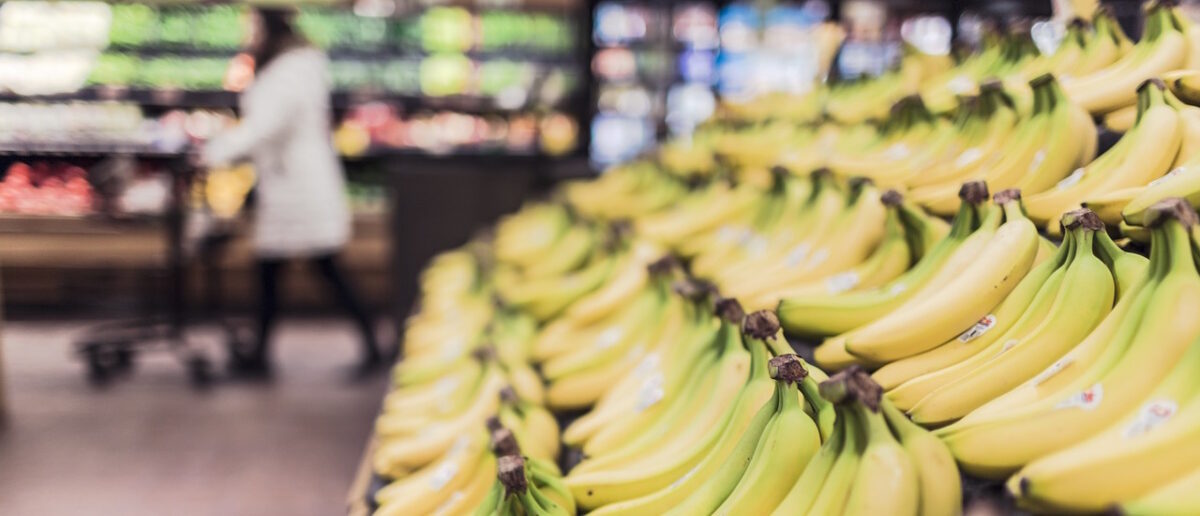
Because our banana supply could be obliterated, we will have to adjust to a replacement that might taste somewhat different.
Connecting economics, current events, and history, this week's economic news roundup ranges from Champagne and paper towel production to costly disasters.
Looking at the economic impact of past costly disasters can help us develop policies that target where and how Covid-19 will affect us.
As much as university and college shutdowns affect schools and students, they can also have a devastating impact on local towns and cities.
Responding to Apple's four to one stock split, the Dow Jones Industrial Average will change so it can reflect the U.S. economy more accurately.