December 15, 2022
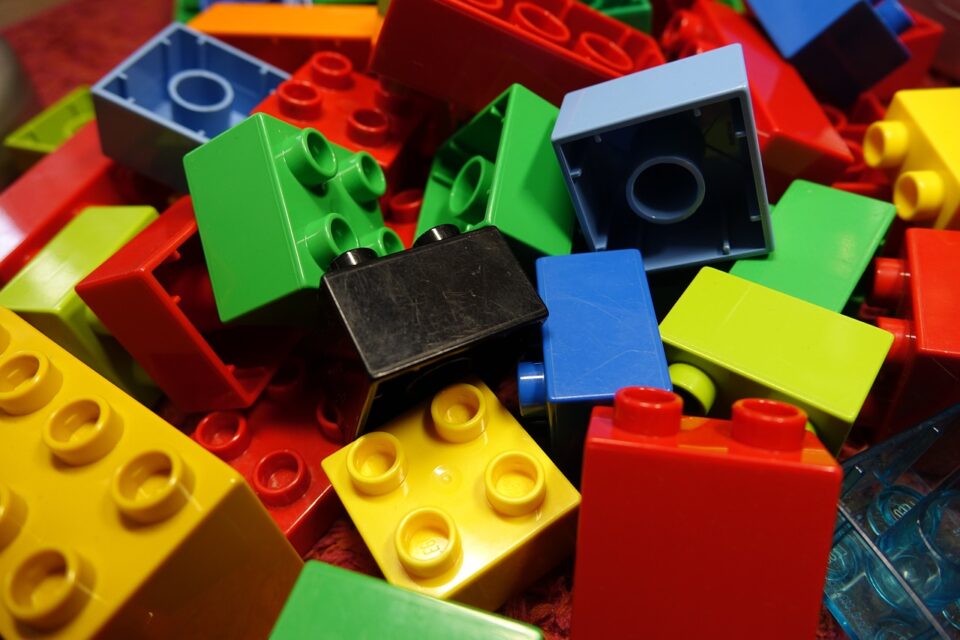
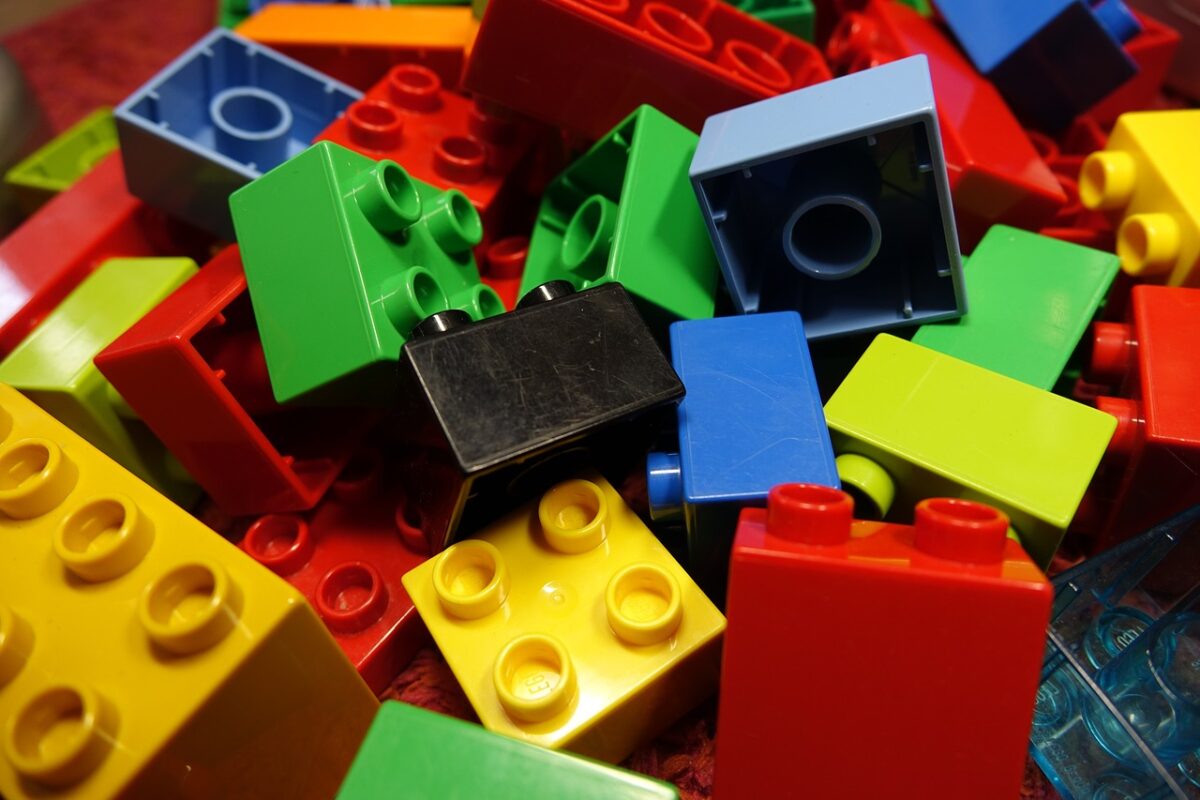
Like the Big Mac Index, when the Toy Zone tells us where LEGO prices are high and low, we can also compare currencies.
Like the Big Mac Index, when the Toy Zone tells us where LEGO prices are high and low, we can also compare currencies.
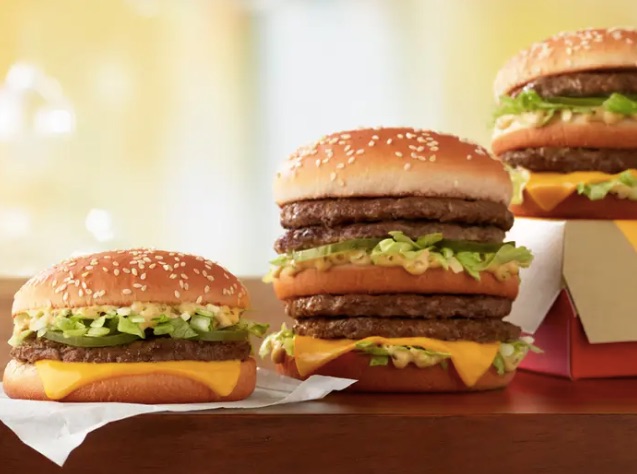
Through its twice-yearly Big Mac Index, The Economist shows us what we can learn locally and globally from burger economics.
We can identify new GDP facts about size and wellbeing by seeing the GDP through the PPP lens of the International Comparison Program.
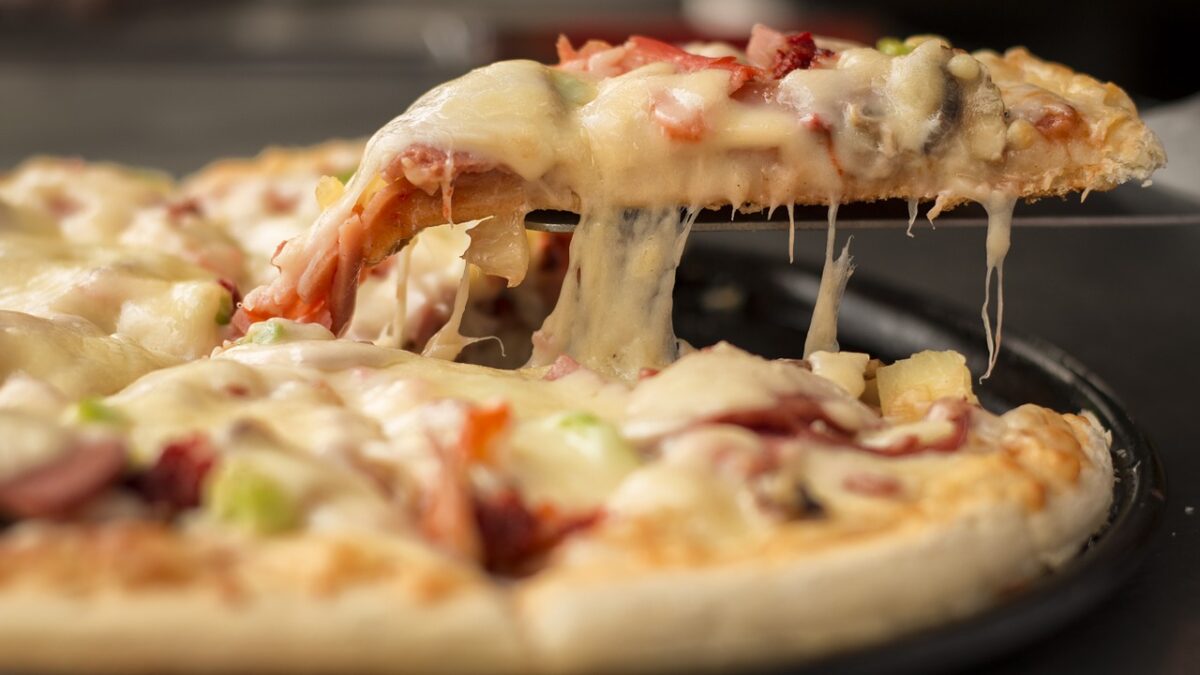
Domino's, Mondelēz, and IKEA each had a different lessons to learn from their globalization decisions for Italy, China, and Saudi Arabia.
Hit harder by regressive tariffs, the poor pay more than the affluent because history has not been corrected.
In international markets, businesses need to recognize local preferences when they sell products beyond home borders.
Because of a huge wave and massive container ships, we wound up with a gargantuan number of Lego pieces becoming The Great Lego Spill.
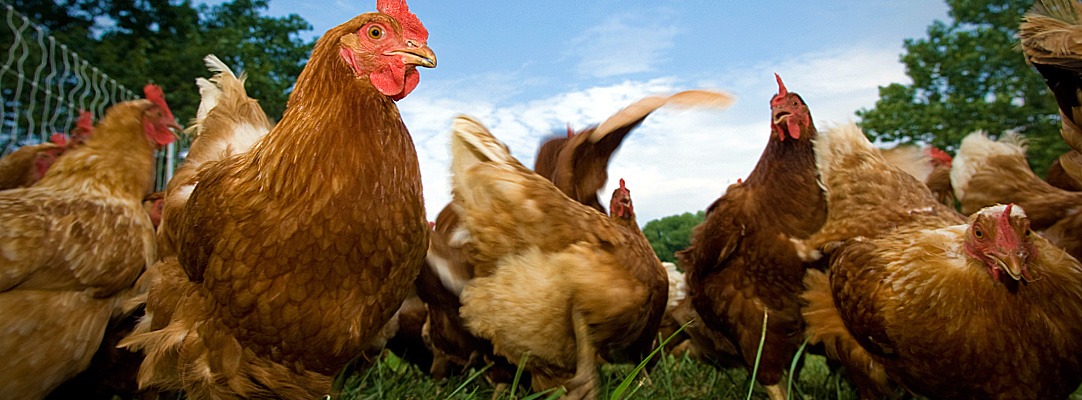
Because of Malaysia's export nationalism, Singapore's consumers could face shortages of their beloved chicken rice dish.
Facing war, wild fires, draught, and port blockages, the world wheat supply will have difficulty compensating for shortages.
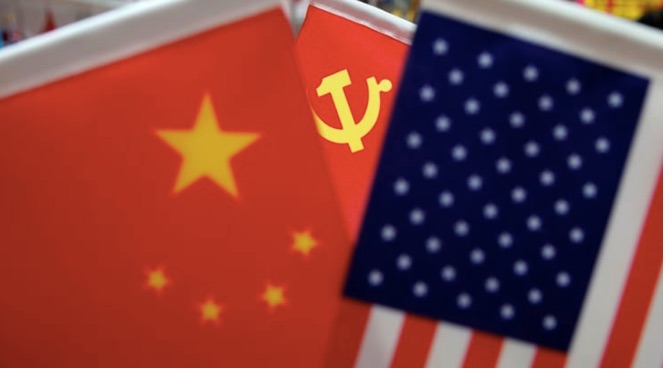
Looking at the Peterson Institute's 2021 numbers for the first phase of the US-China Trade Deal, we can see if the agreement is working.
Through our world trade update, we can look at trade partners, states, shipping containers and even giant cranes.