March 17, 2019

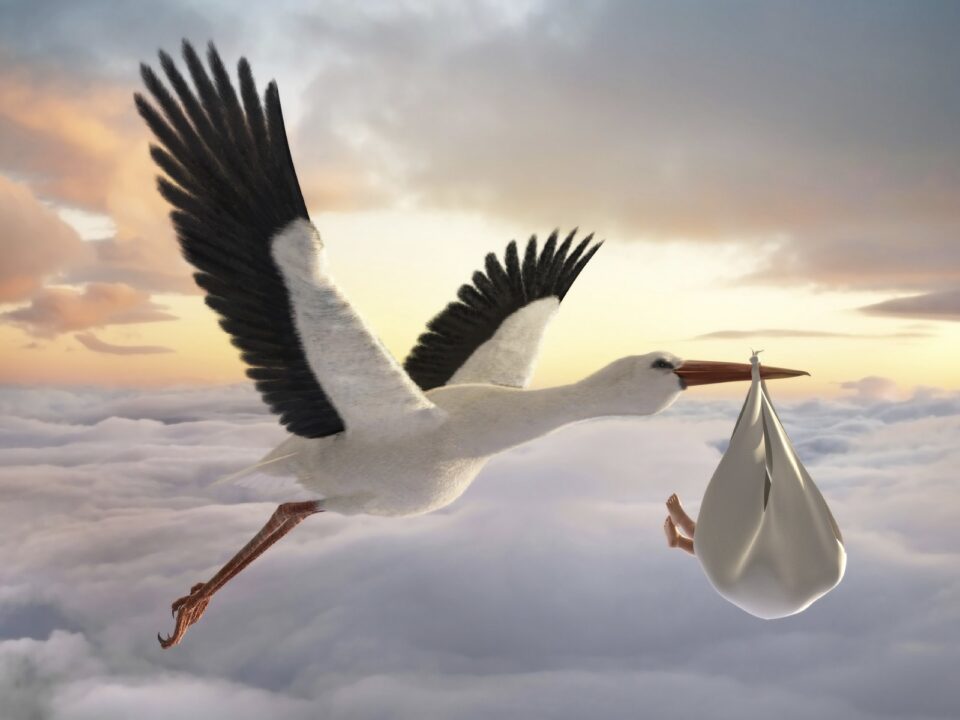
Whether looking at entrepreneurs who need venture capital funding, UPS drivers, or Walmart warehouse workers, we could see pregnancy discrimination.
Whether looking at entrepreneurs who need venture capital funding, UPS drivers, or Walmart warehouse workers, we could see pregnancy discrimination.
Whether looking at the World Series of Poker or fast growing occupations, we can see that gender stereotypes can create costly decisions.
Whether deciding how to divide boats in Santa Barbara harbor, a cake, or tax revenue, fair distribution requires knowing what different people say is fair.
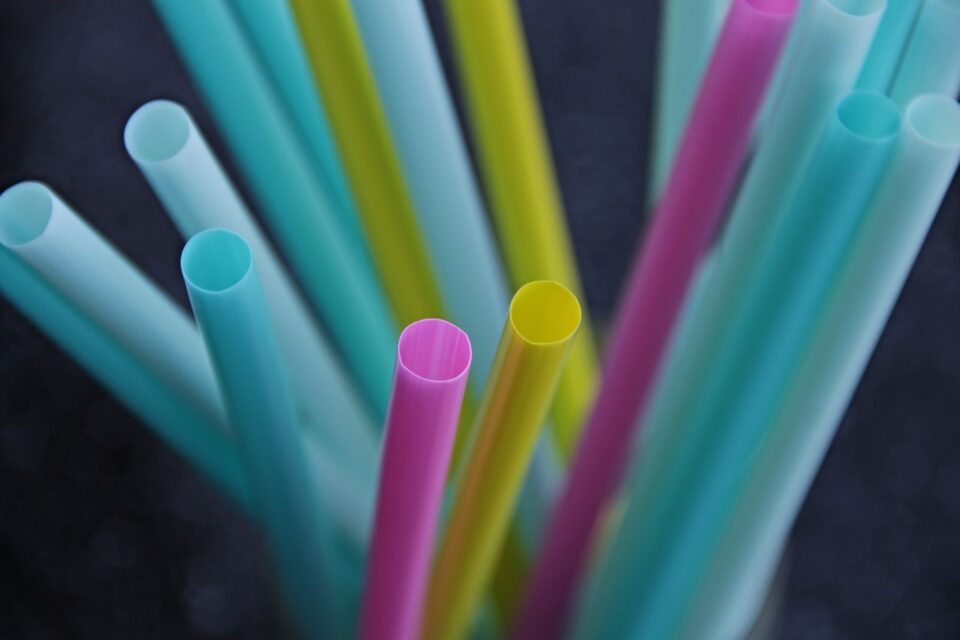
Whether it's plastic straw use, energy conservation, or flu vaccinations, governments use nudges to influence our decisions.
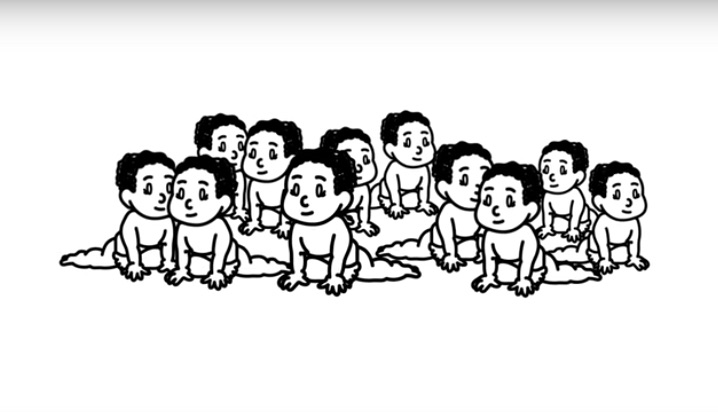
Sort of like life's bookends, a declining number of children and more elderly people can explain why Japan's population is shrinking.
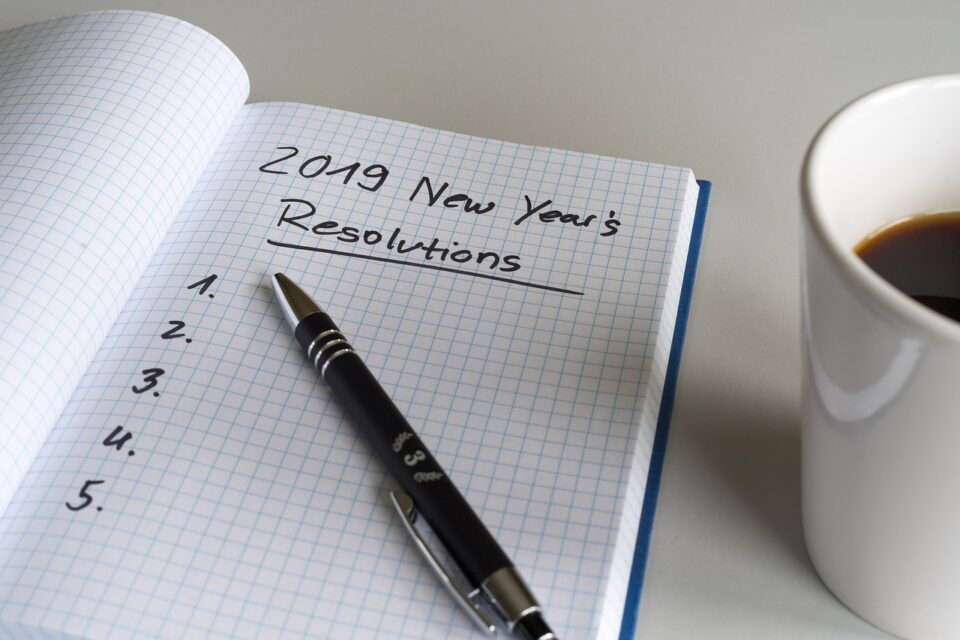
Called temptation bundling and piggybacking, ideas from behavioral economics provide some easy to follow methods for keeping our New Year's resolutions.
Cities that benefit from the economic side of walking have a boost in productivity, better health, and more social interaction.
With the arrival of mandatory calorie labels at large establishments and soon at smaller ones, we can ask if their impact is predictable.
The new World Bank Human Capital Index was created to encourage the leaders of 157 countries to improve their healthcare and education.
By identifying the moral limits of markets, we can decide what should and should not be sold...like wedding tickets and high grades.
Another good reason for diminishing the size of the gender gap in Europe is the impact it will have on men's health and their life expectancy.