April 19, 2020

Whether it's a piano, voice recognition, or office temperature, when designers say one-size-fits-all, they are not quite right.
Whether it's a piano, voice recognition, or office temperature, when designers say one-size-fits-all, they are not quite right.
Through a 2020 UN report, we can locate the world's gender inequality by looking at politics, education, economics, and physical integrity.
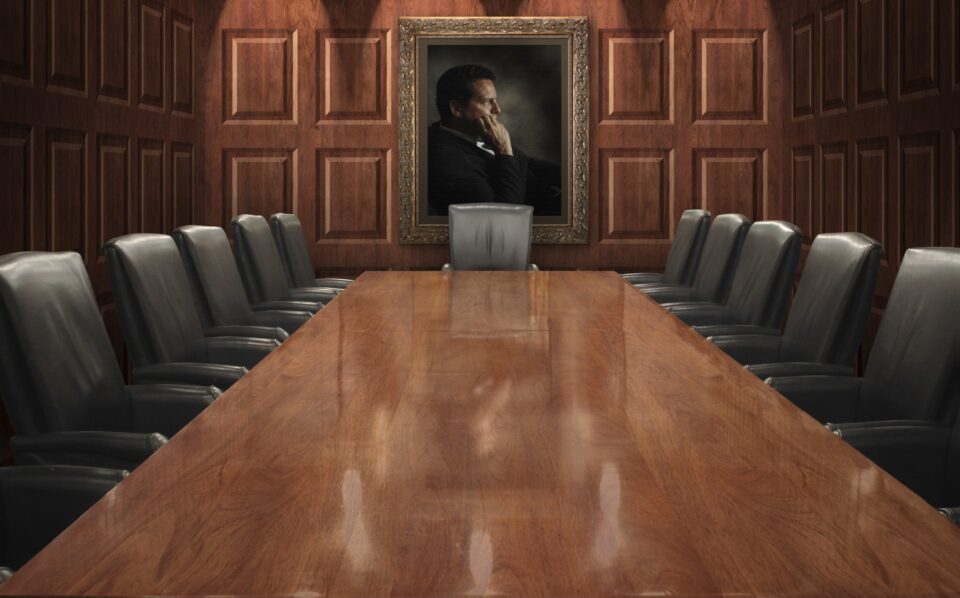
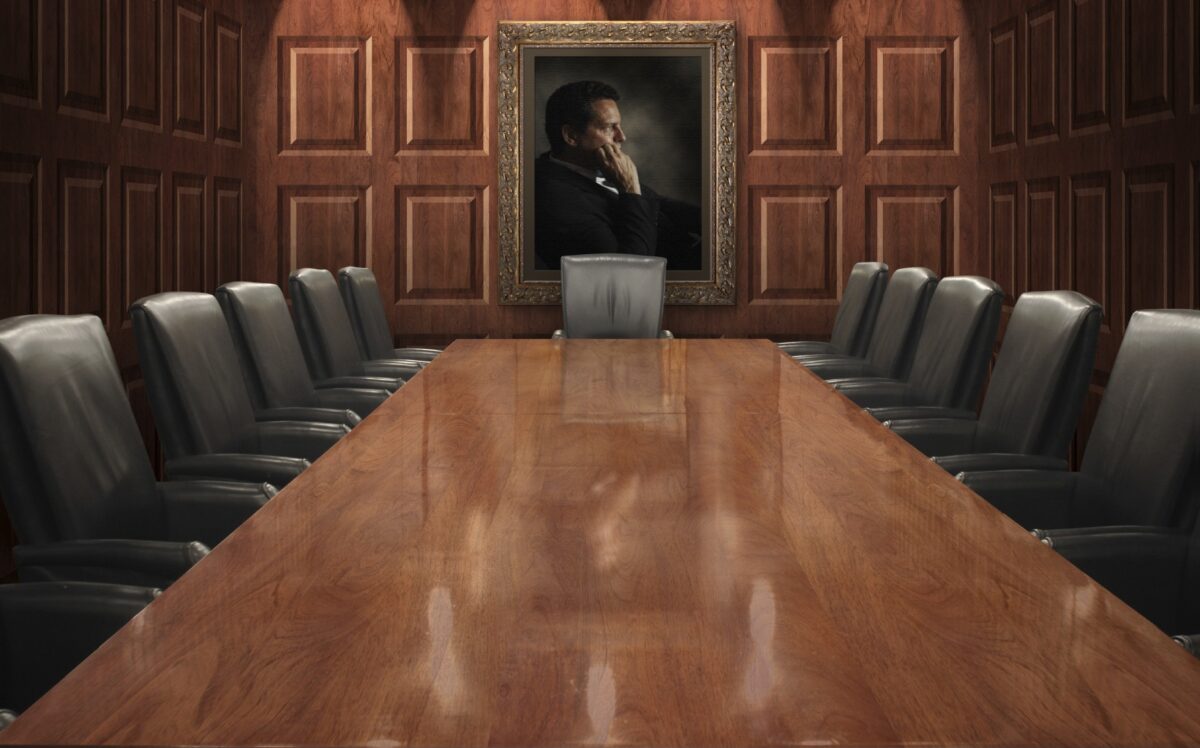
Confirming the gender gap at the top, the NY Times Glass Ceiling Index compares the number of Fortune 500 female CEOs and Fortune 500 male CEOs named John.
With signs that increase gender equality in public spaces, a female presence can be explicitly recognized and affect infrastructure design and jobs.
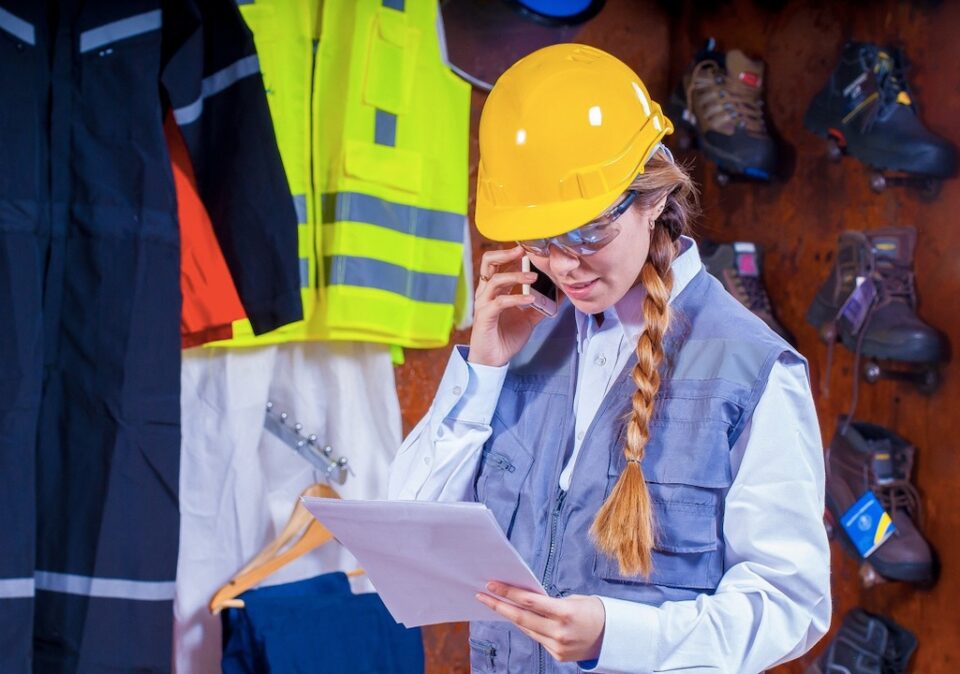
More working women have payroll jobs than men for the first time in a decade and they are increasingly entering male-dominated industries.
Comparing Swedish men and women with top jobs in politics and business, we see that their divorce rates can vary considerably.
Hoping to understand differences in the workplace, a recent study looked at whether women tend to engage in less self-promotion than men.
Like other firms that try gender branding, the makers of Chick Beer discovered that women responded differently from their male customers.
In addition to the glass ceiling, recent research indicates we should focus on the gender equity that diminishes at the first rung of the corporate ladder.
We might find some surprises when we look closely at categories of consumer debt that include credit cards, student and auto loans, and mortgages.
While women's wealth in the world has been trending upwards, a look at the estimates in the Credit Suisse Global Wealth Report 2018 reveals the gaps.
Looking at women in movies, we form behavioral expectations about gender roles that relate to leadership, to speech, and to age.