April 16, 2025

Looking at the impact of climate change on Champagne harvests, we can see why our grapes might not have the same taste.
Looking at the impact of climate change on Champagne harvests, we can see why our grapes might not have the same taste.
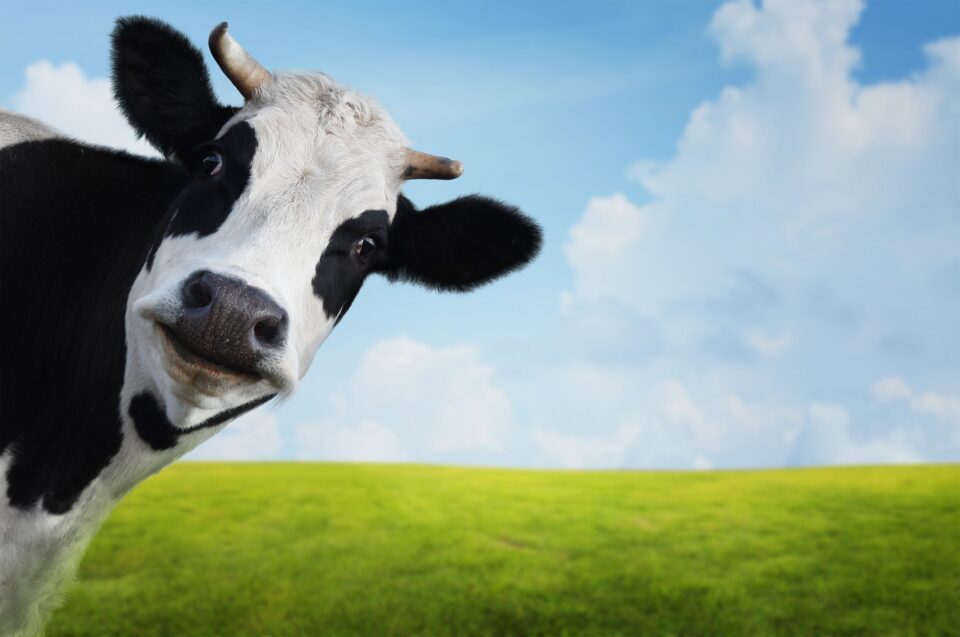
Animal economics is about a slew of tradeoffs when we tryi to reduce our carbon imprint with less meat consumption.
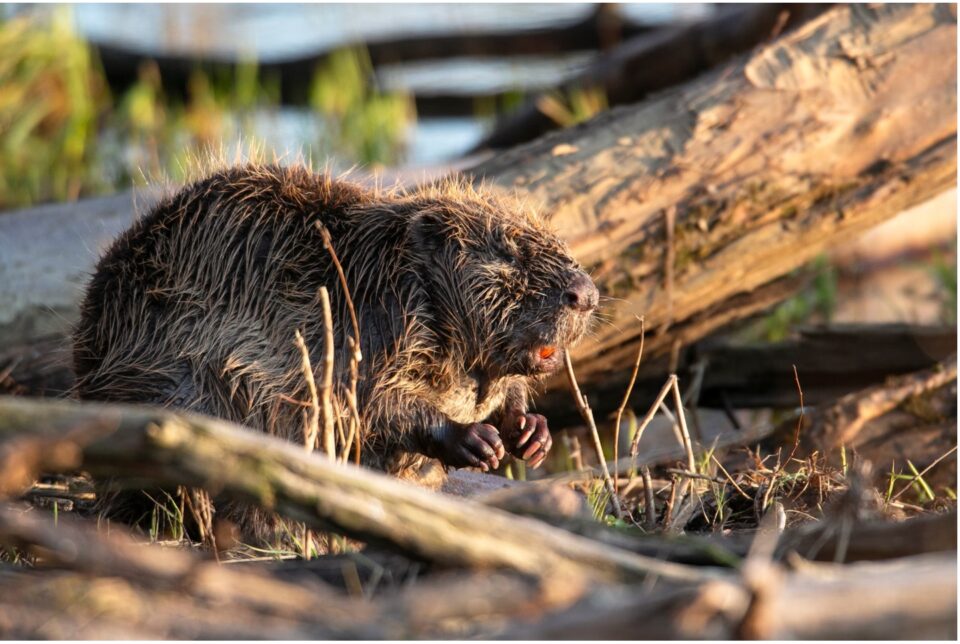
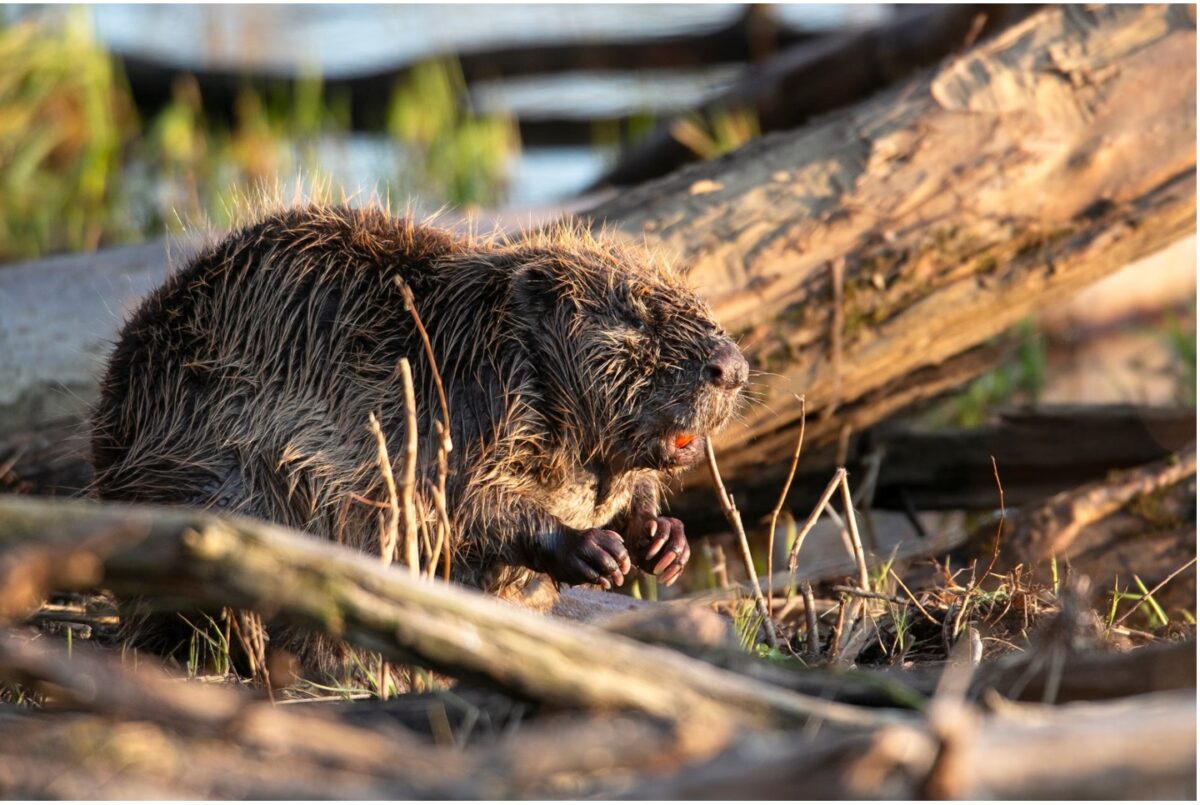
When we think about improving an ecosystem, we can recognize the value of the environment by quantifying the beaver's contribution.
Looking at different nations, we see that what we eat requires a vast amount of resources in some places but not in others.
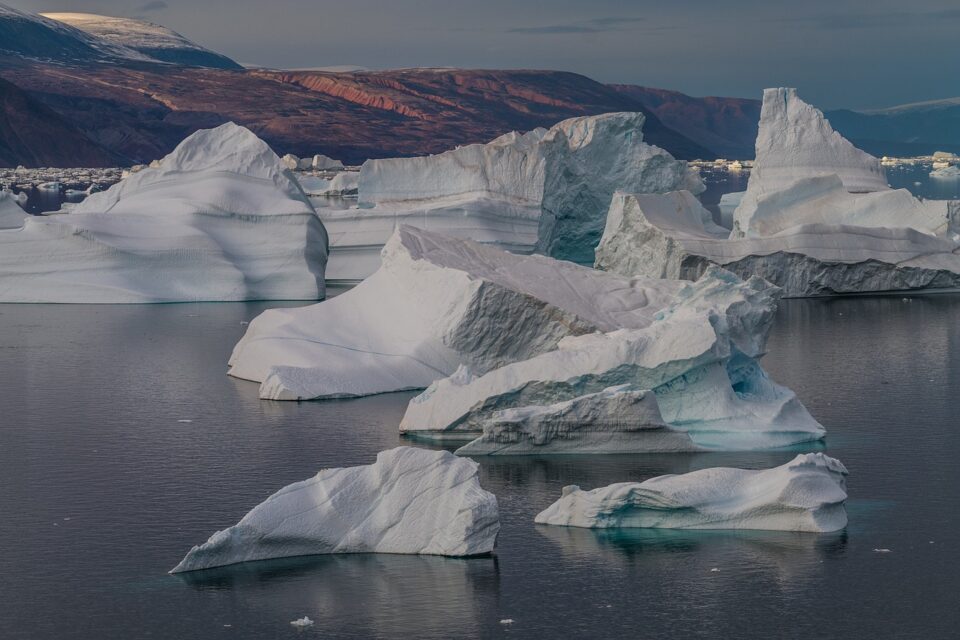
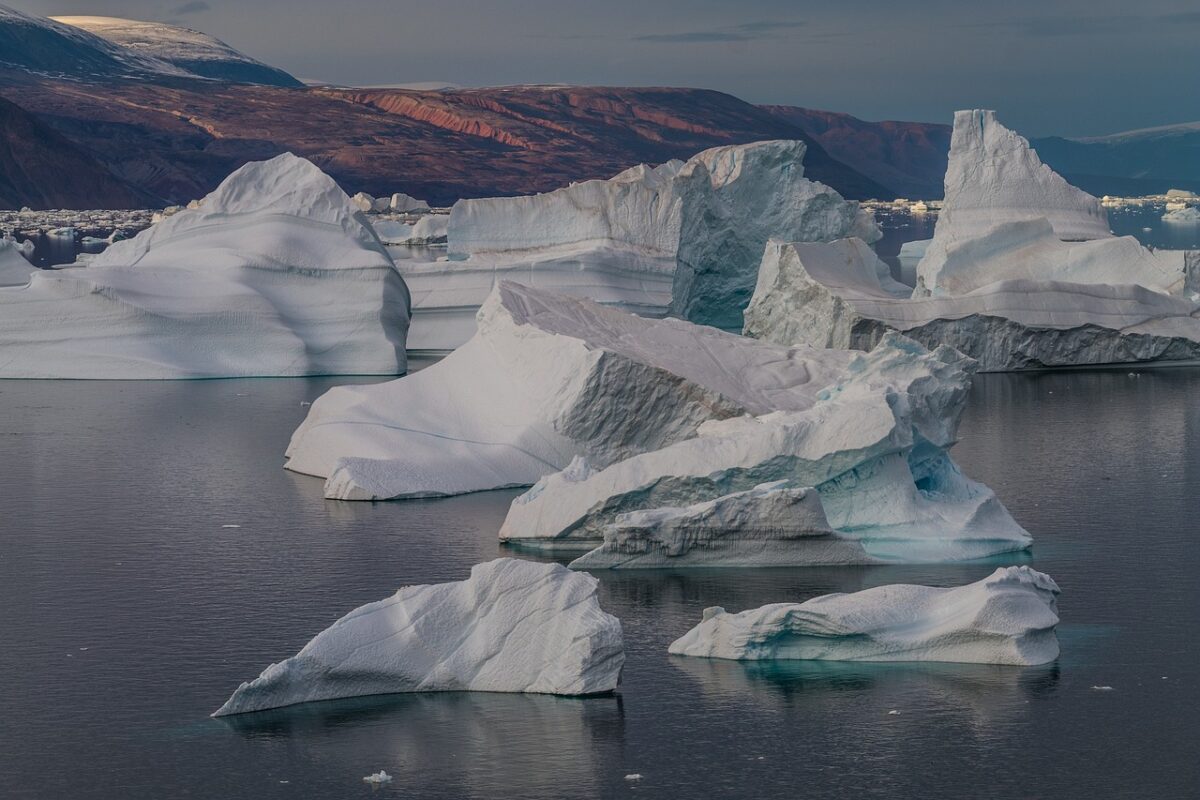
Brutal and potentially wealthy, the Arctic economy deserves more attention from the United States than it has received.
Shown by Tesla, sometimes you do not need to sell more cars and trucks to elevate your bottom line with more revenue.
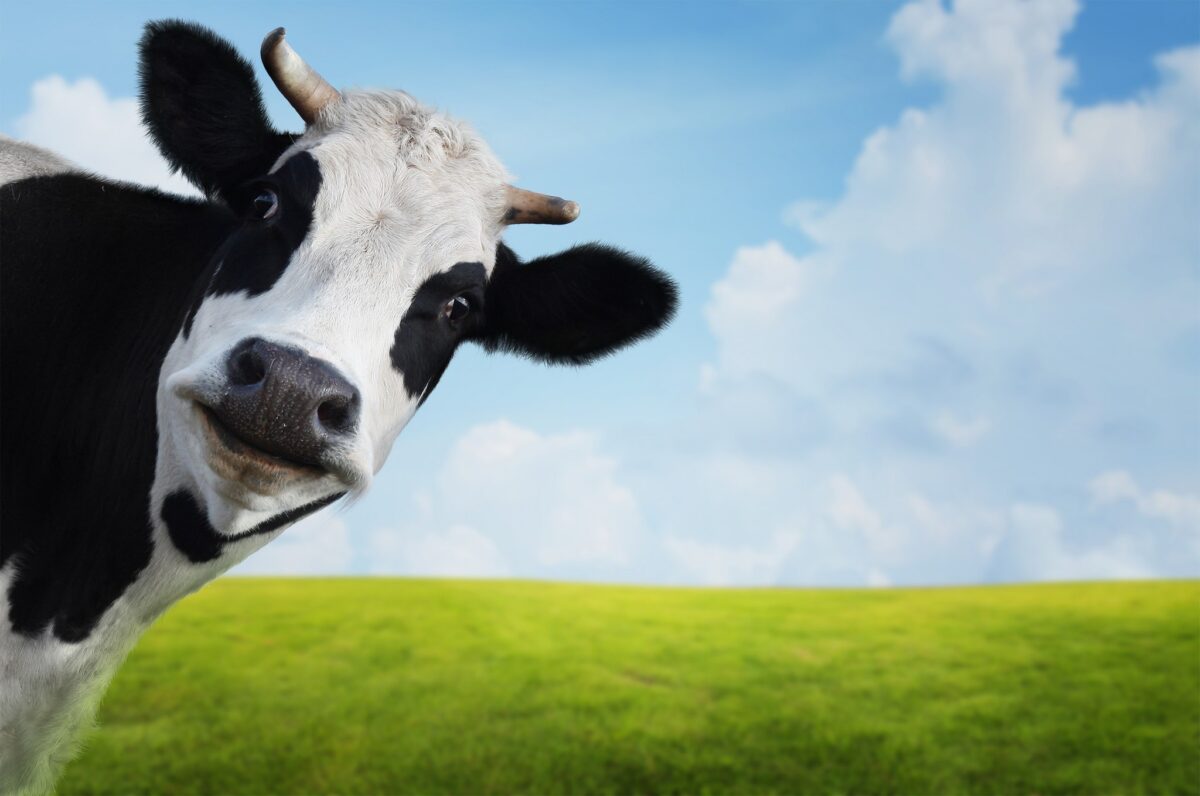
Described a C02 on steroids, the methane emissions that come from cow burps will be taxed by Denmark in 2030.
Managing the conflicts at COP29 resulted in a few baby steps toward the goal of constraining global warming.
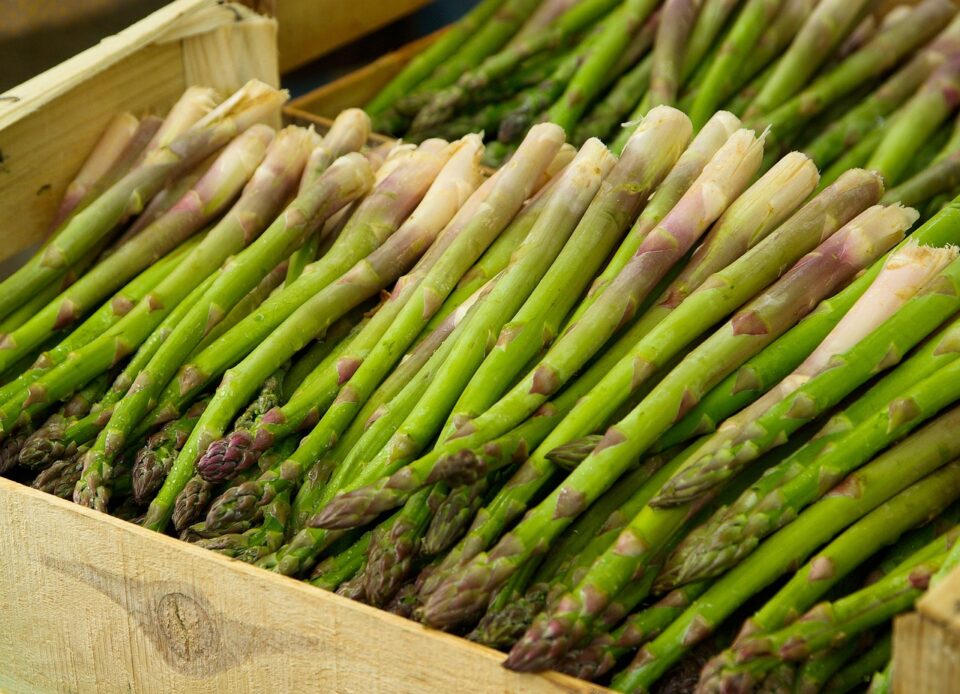
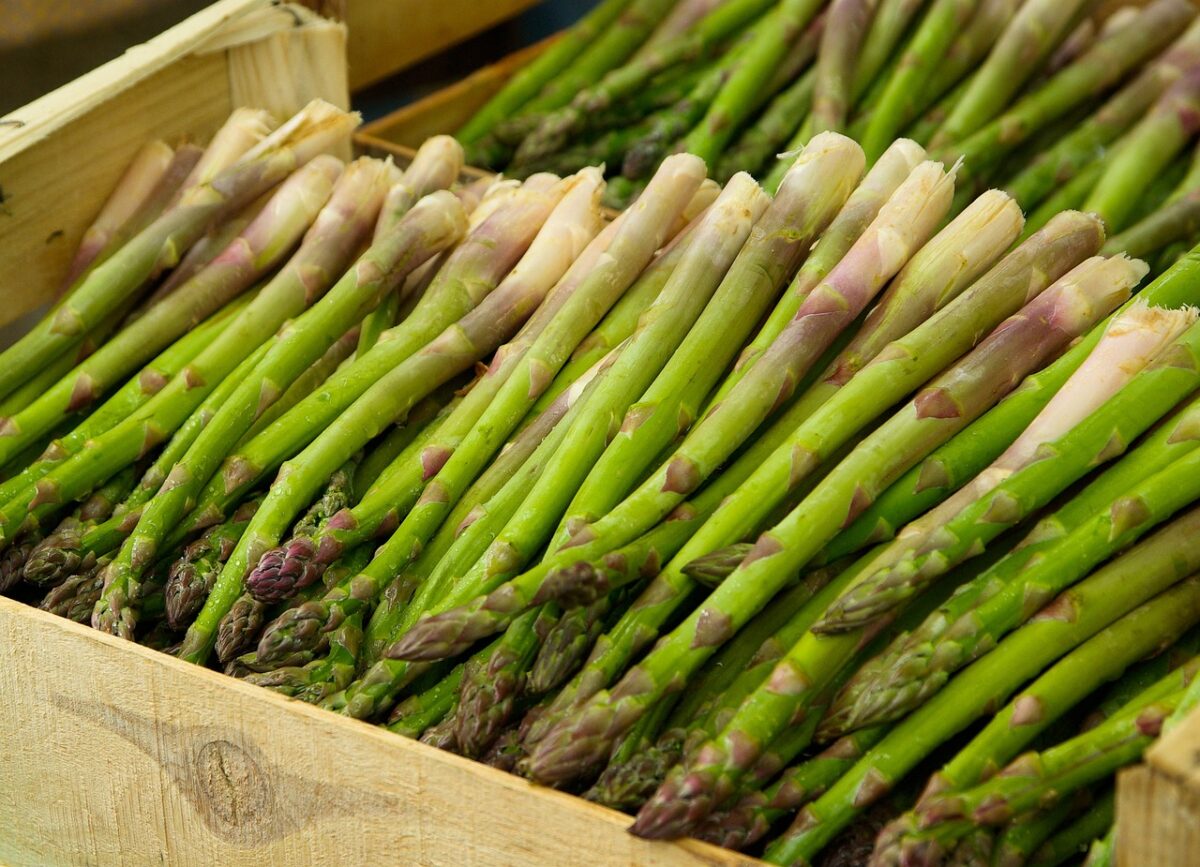
Illustrated by asparagus, how we transport our food from the farm to our home determines their carbon footprint and why buying local can surprise us.
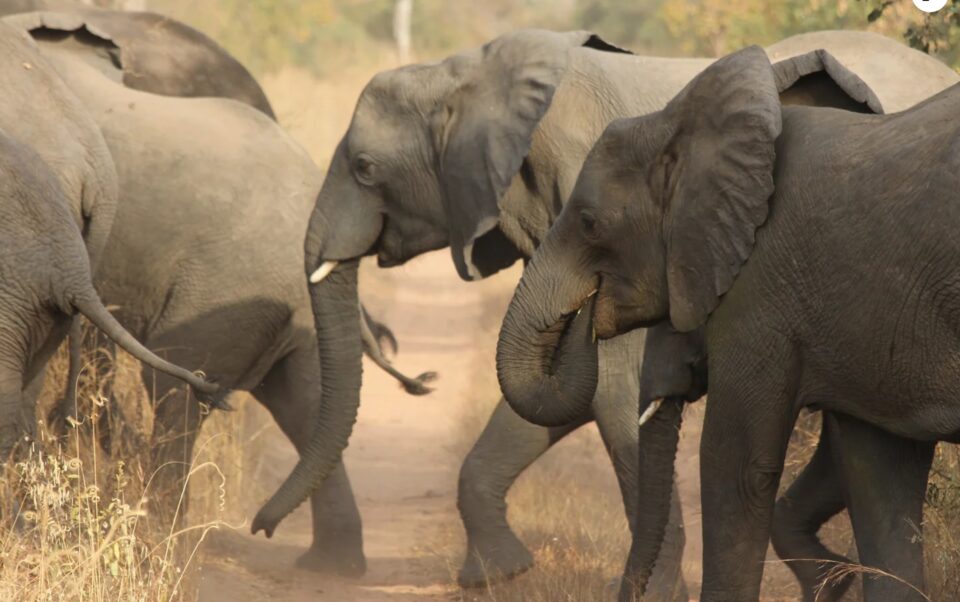
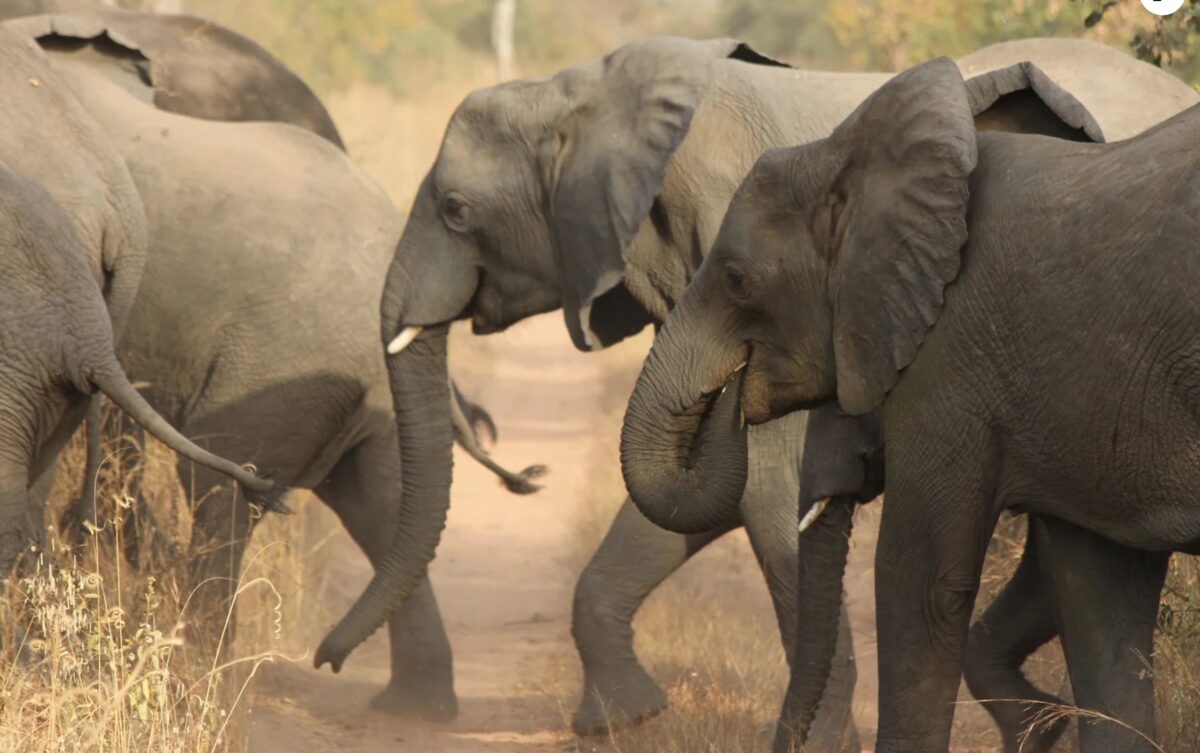
With preserving Nigeria's elephants the goal of a new recipe for action, we can ask if one ingredient is missing.
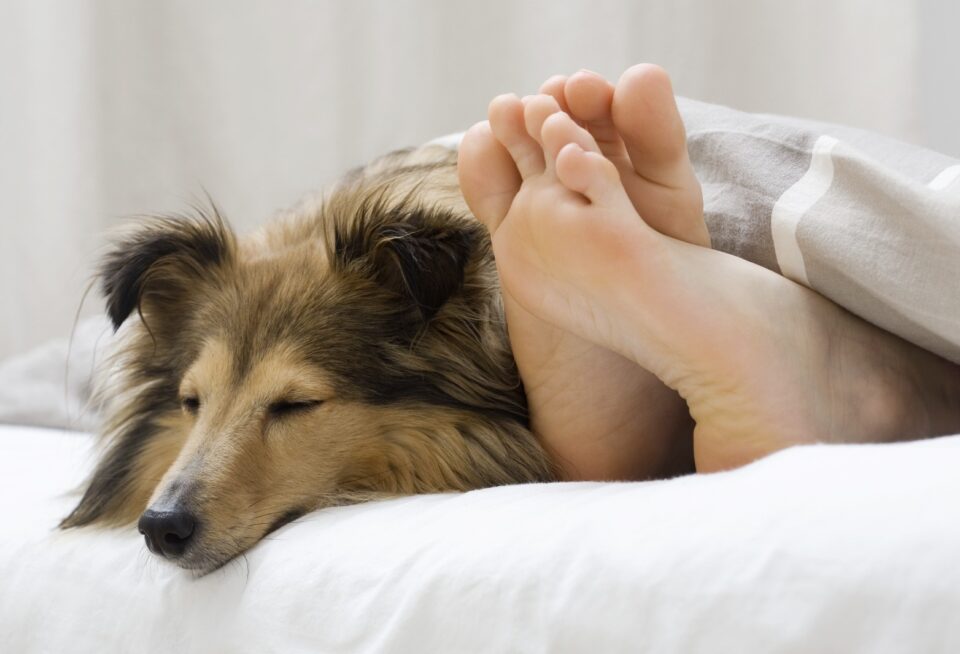
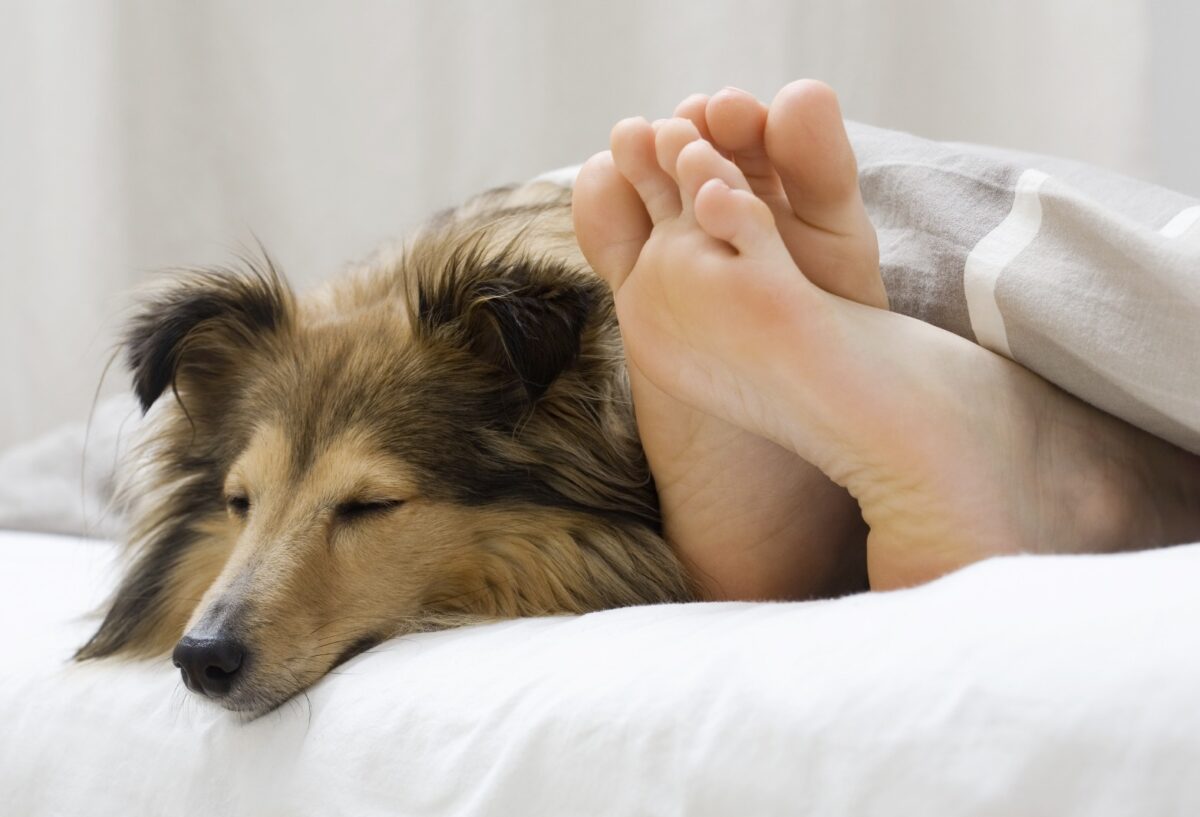
Although we typically do not discuss climate change and sleep loss together, people are feeling the impact of elevated night temperatures.
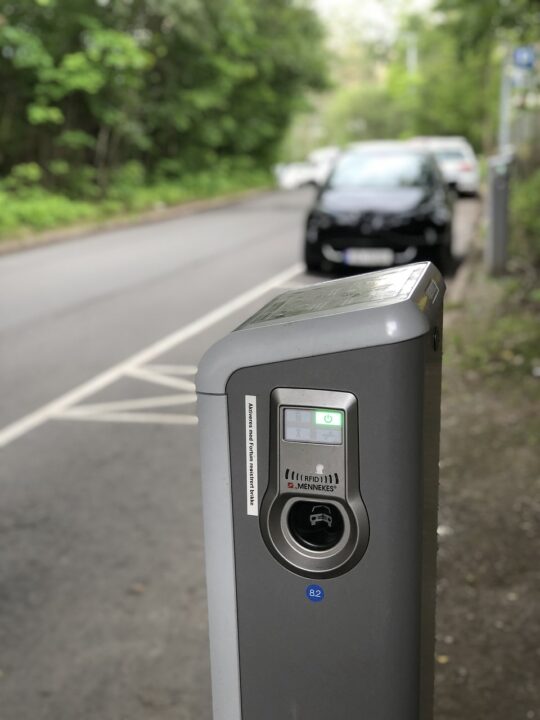
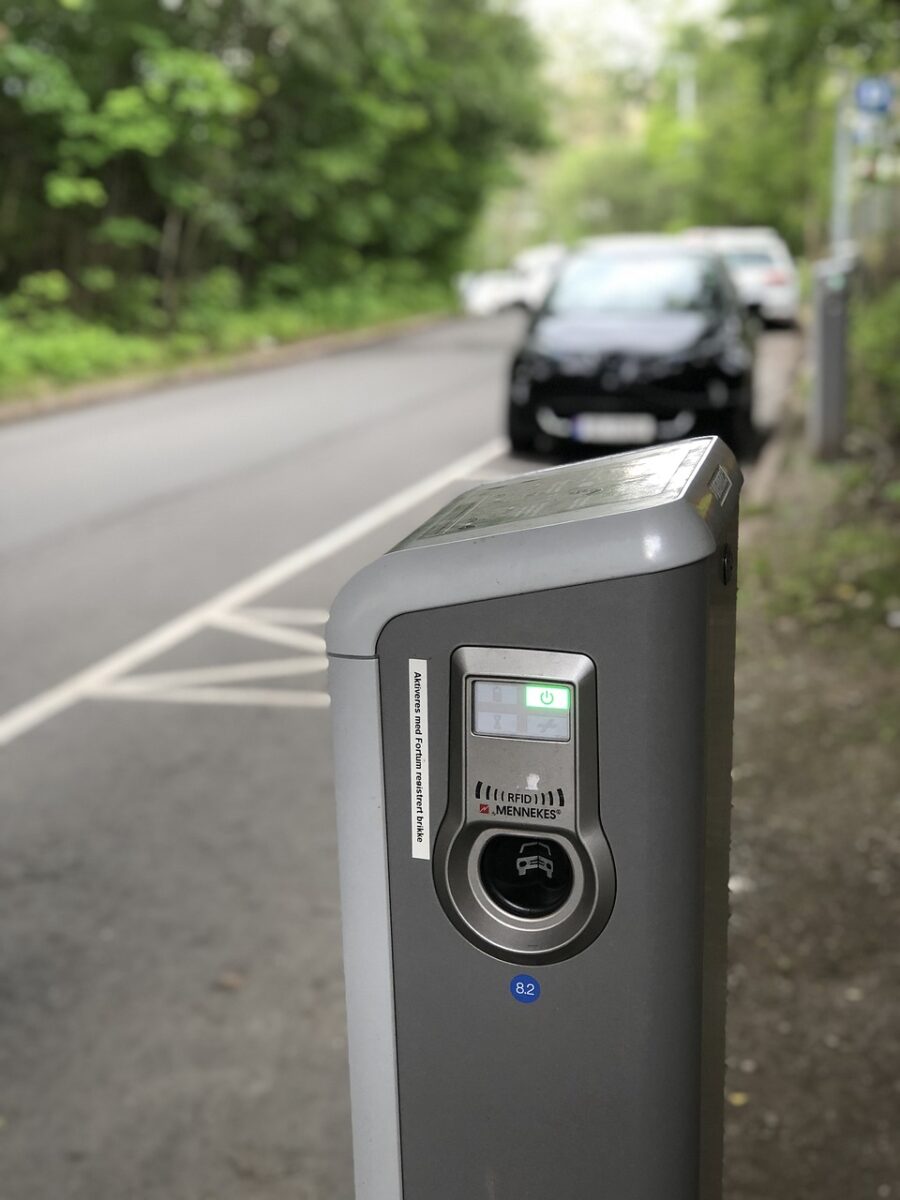
Ranging from thefts to sales, looking at electric vehicle statistics, we see the numbers depend on the country.