August 12, 2015
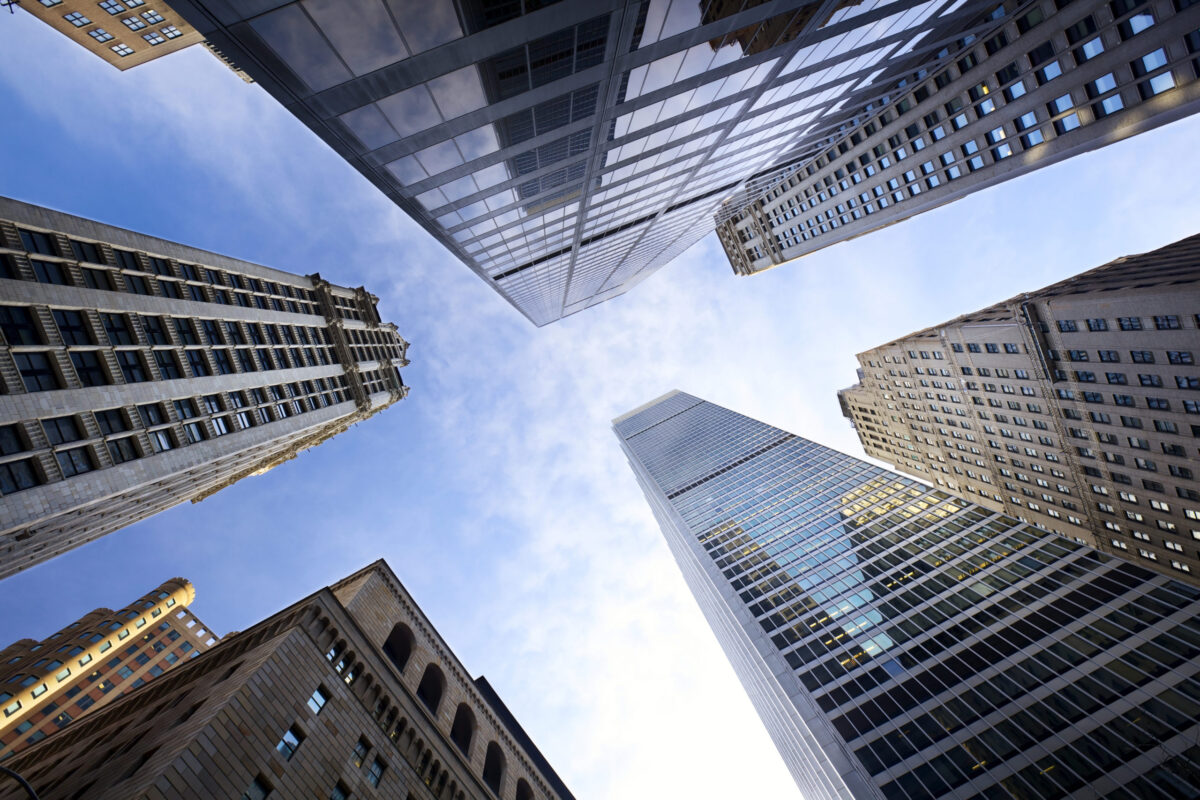
Whenever a new skyscraper is built, we can ask whether its shadow violates our property rights when it eliminates the sunlight in a city's parks.
Whenever a new skyscraper is built, we can ask whether its shadow violates our property rights when it eliminates the sunlight in a city's parks.
A production possibilities graph can display the land, labor and capital underutilization that inadequate sanitation creates and indicate a constrained GDP.
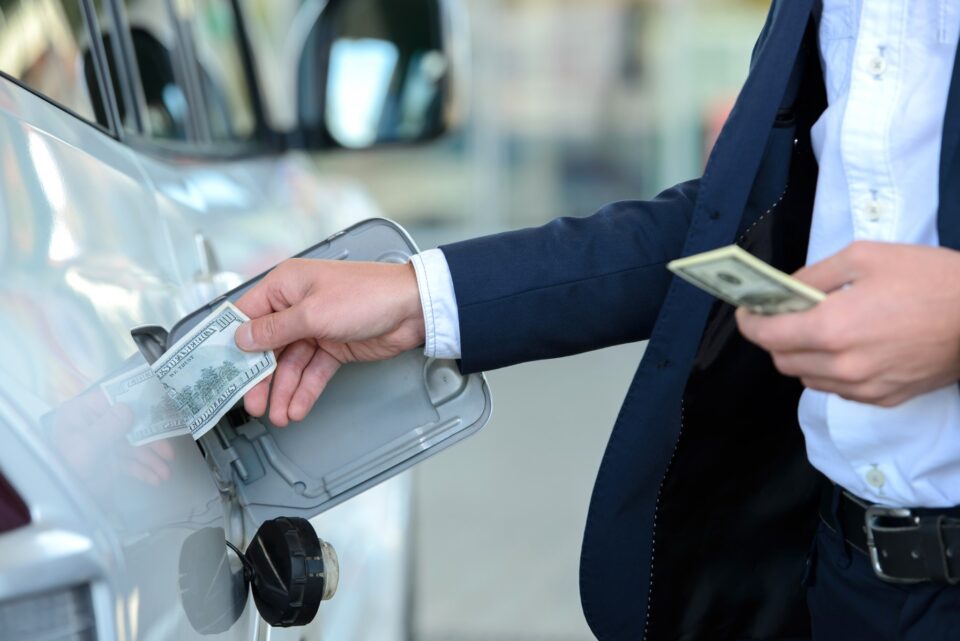
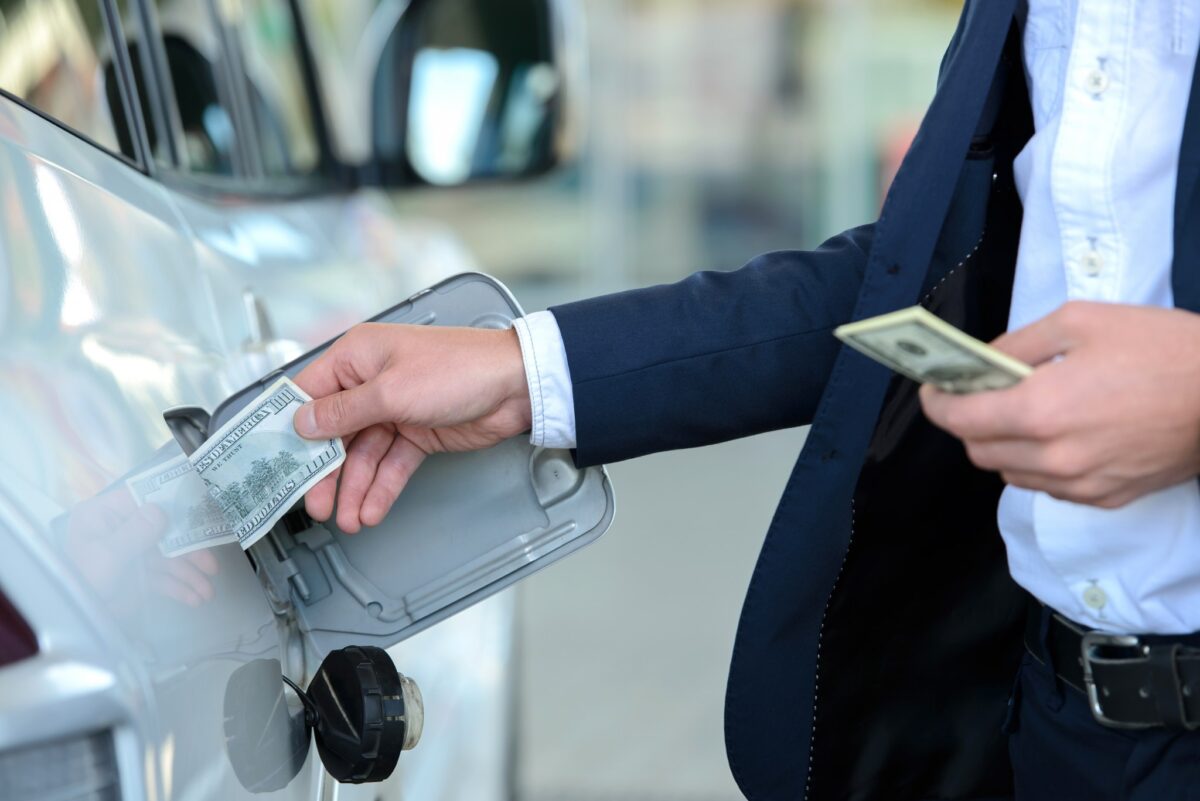
Because of a low gasoline tax, the Highway Trust Fund does not have enough money to maintain the transportation infrastructure of highways and mass transit.
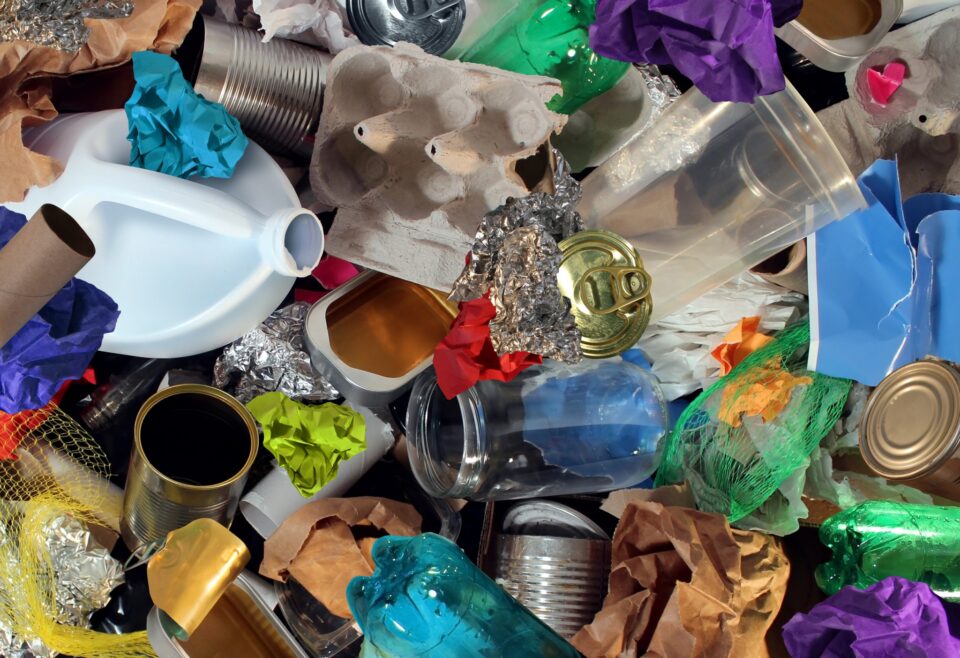
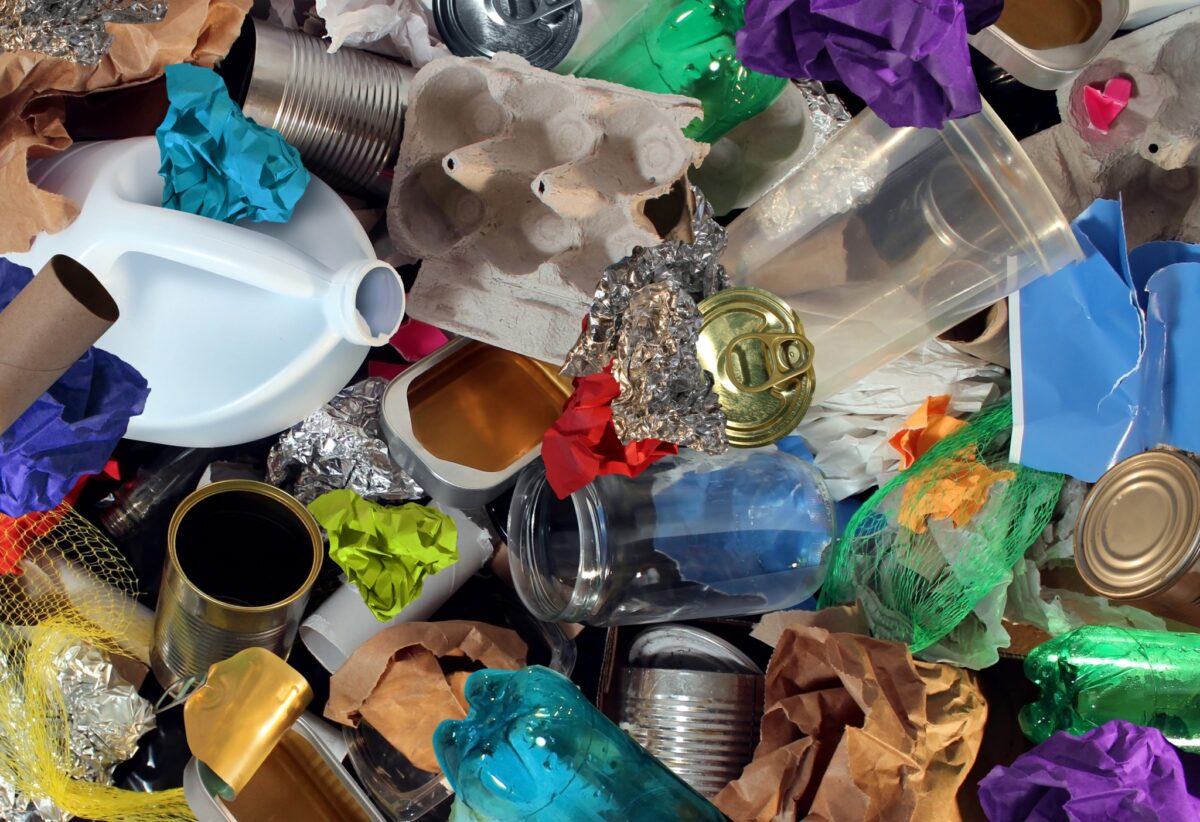
Weighing cost and benefit for Seattle's recycling environmental regulation involves privacy, dollars, time, and respect for the law and our environment.
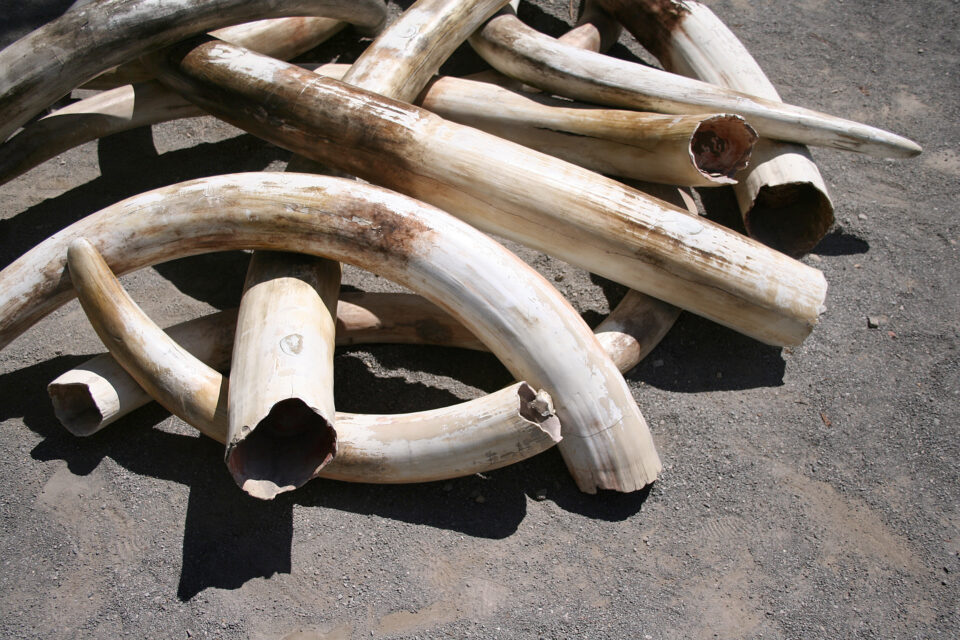
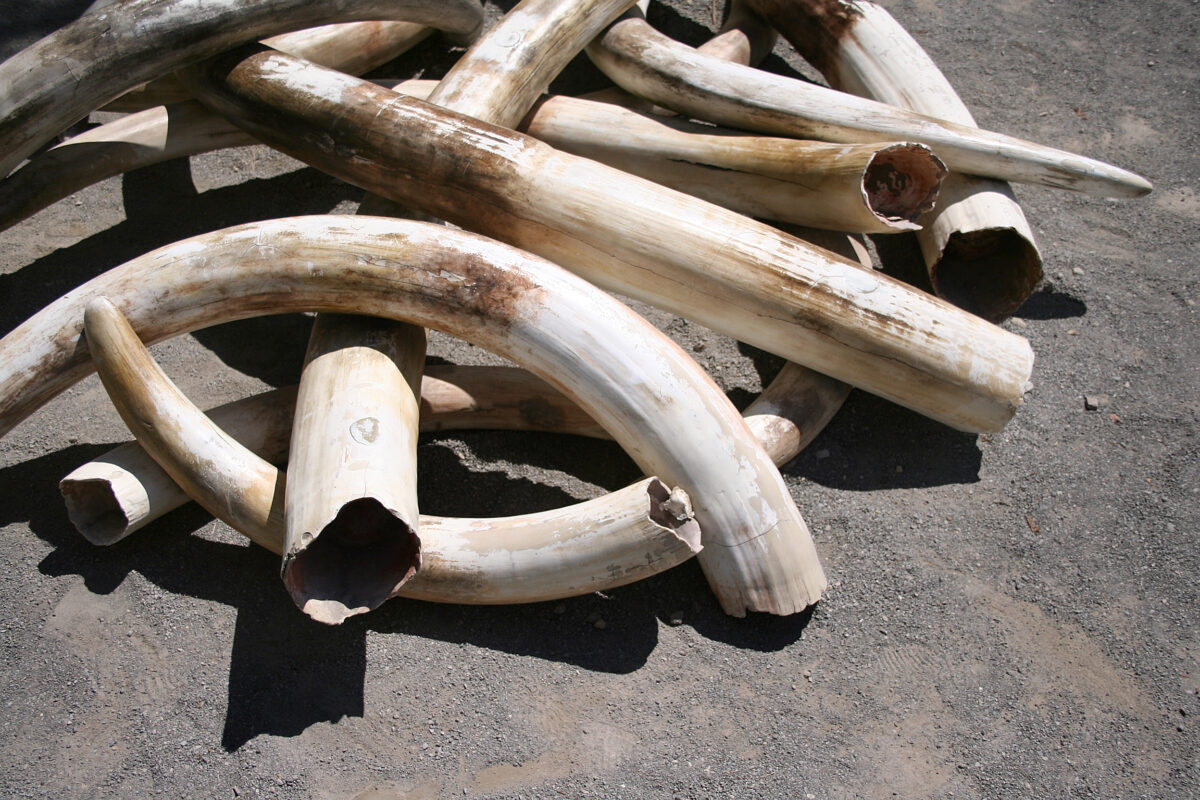
The market solutions and regulatory approaches used to solve the problem of elephant poaching have not worked for wildlife conservation in Africa.
Investigating intrinsic and extrinsic incentives, researchers have explained why money does not always promote positive performance.
Facing an aging population and more entitlements, countries that are encouraging more births to expand the labor force might be creating a bigger problem.
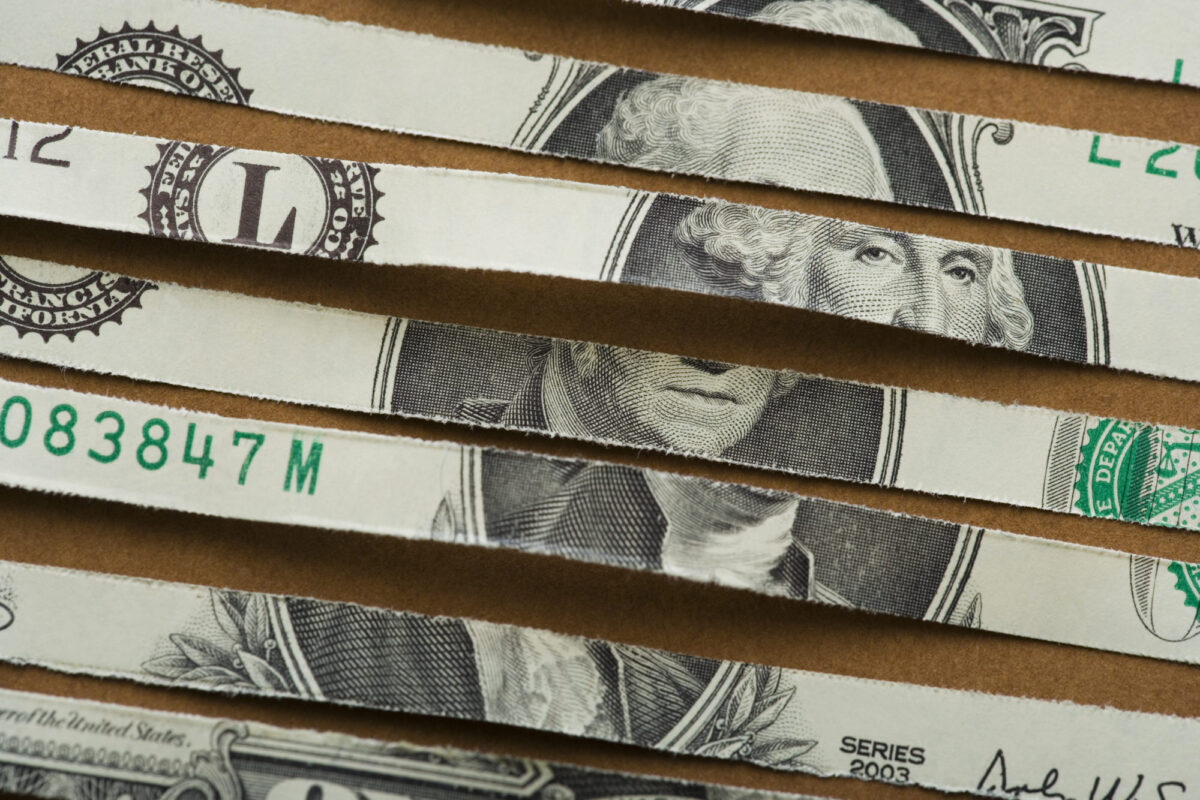
Part of keeping the money supply at the right level involves the Fed monitoring the paper money that enters circulation and recycling cash that leaves it.
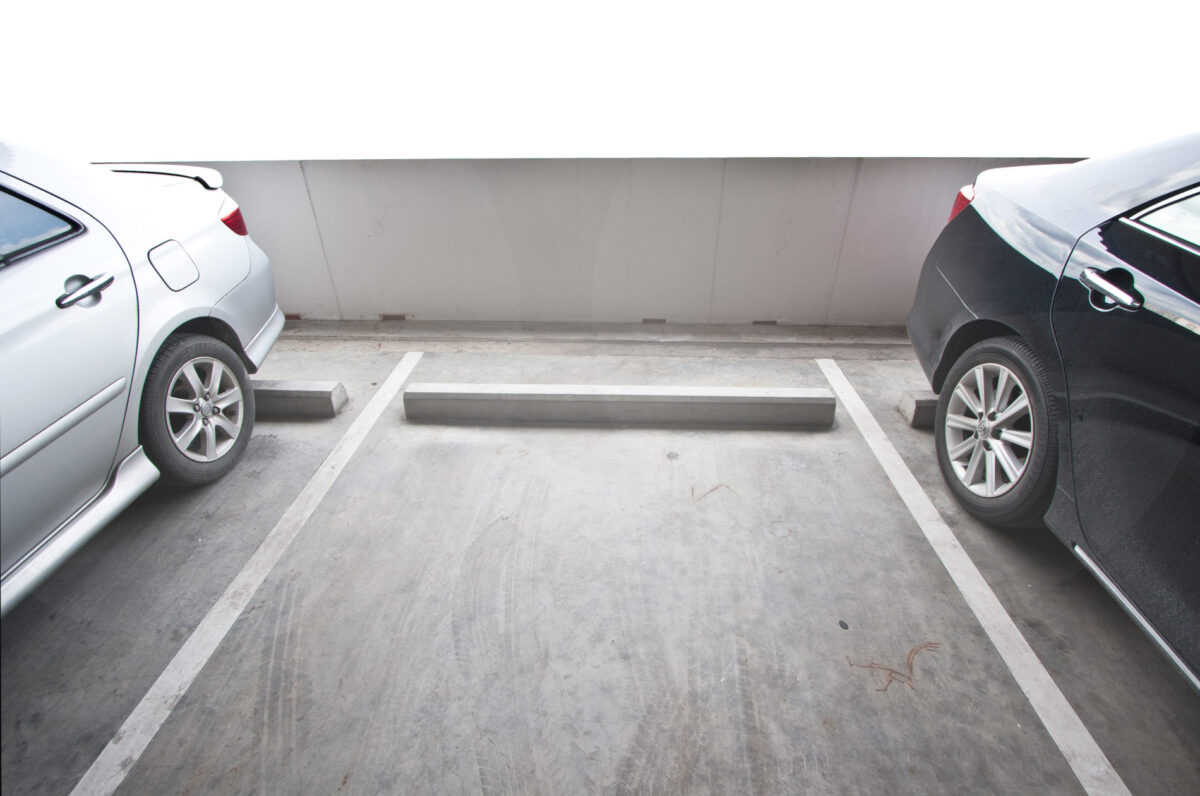
Including congestion, wasted gas, time and emissions, cheap parking creates negative externalities that variable pricing of parking spaces can eliminate.
Following the law of supply, U.S. shale oil firms will lower output because OPEC is letting price plummet but airlines on demand side like lower prices.
Although protestors in Detroit and Ireland say water is a human right, economists, citing a definition of a public good and a tornado alarm, would disagree.
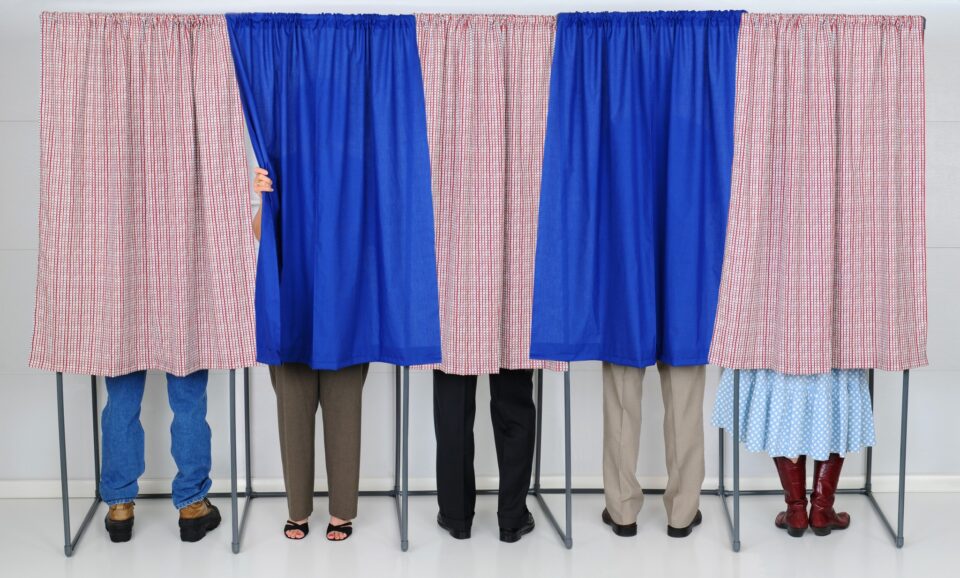
Because "I Voted" stickers indicate voting is a social norm, like paying taxes or saving electricity, people are more likely to act like their neighbors.