September 15, 2019

Looking at climate change, most economists calculate cost and benfit instead of focusing on the unknown unknowns that could happen.
Looking at climate change, most economists calculate cost and benfit instead of focusing on the unknown unknowns that could happen.
With plastic straw bans and request-a-straw rules, people and places are adjusting with new kinds of straws and some surprising innovations.
Combining financial and ecological incentives, the London Zoological Society is encouraging investors to buy rhino bonds for rhino conservation.
Even influencing the kind of car we decide to buy, weather economics can have a surprising impact on the decisions we make as consumers.
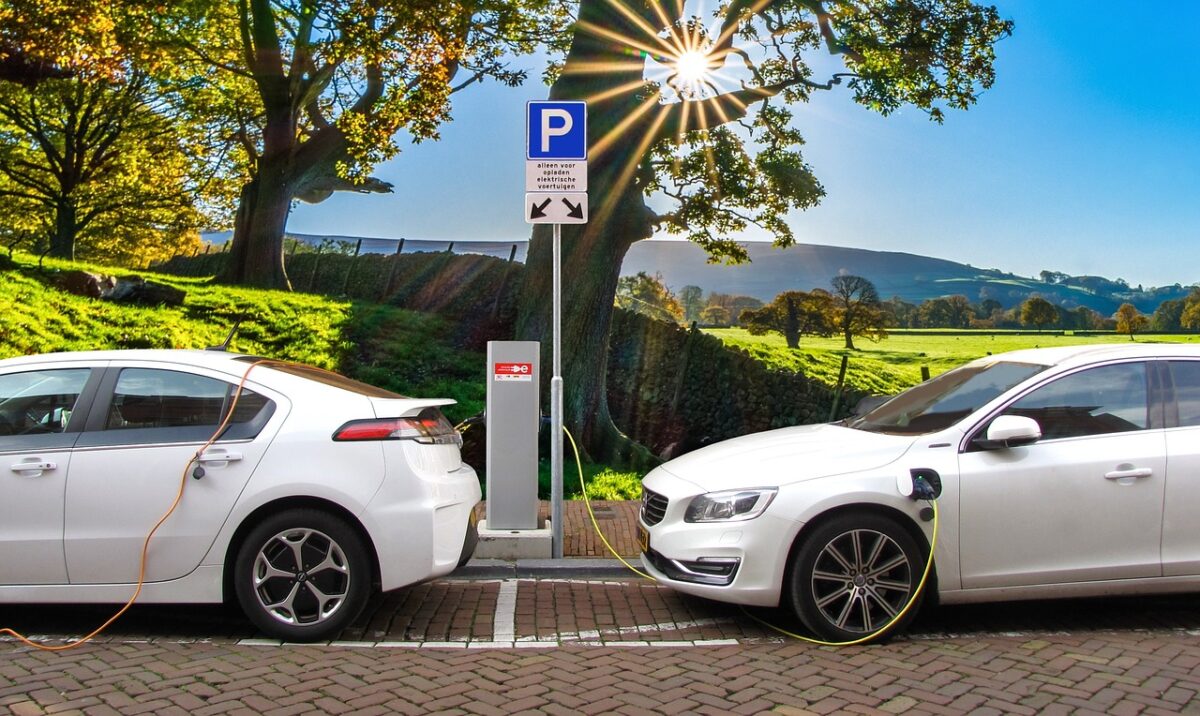
With the depletion of the Highway Trust Fund, Congress needs to decide if its new funding sources will include a pay-by-the-mile tax that charges EVs.
Whether it relates to coffee grounds or new clothing patterns, zero waste design can optimize economic efficiency in surprising ways.
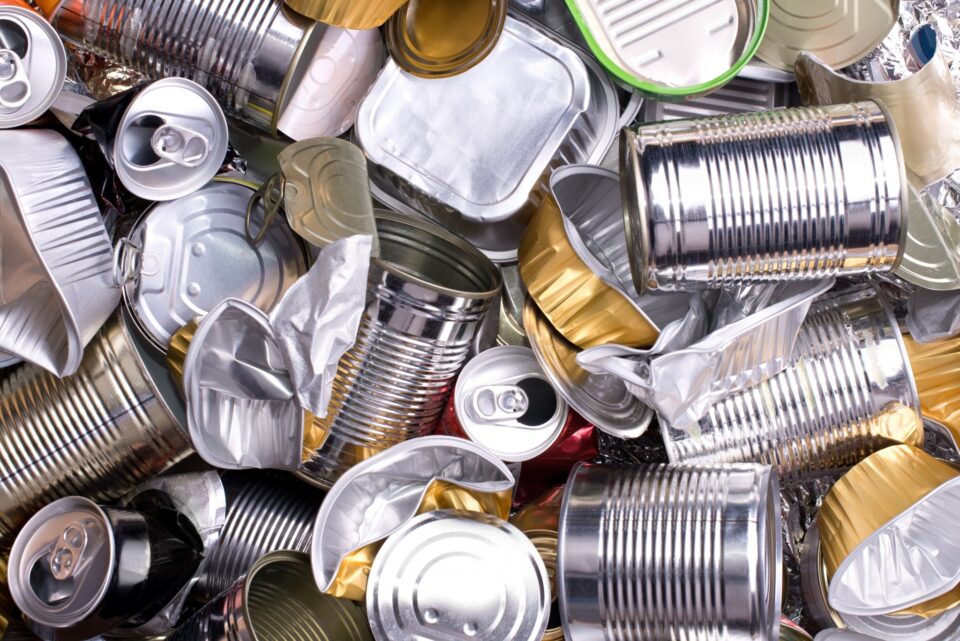
The four colors of Shanghai's trash-sorting bins make the new system look deceptively simple for households and businesses.
The six facts that illustrate our global energy consumption take us to the countries, the growth rates, and the types of energy..
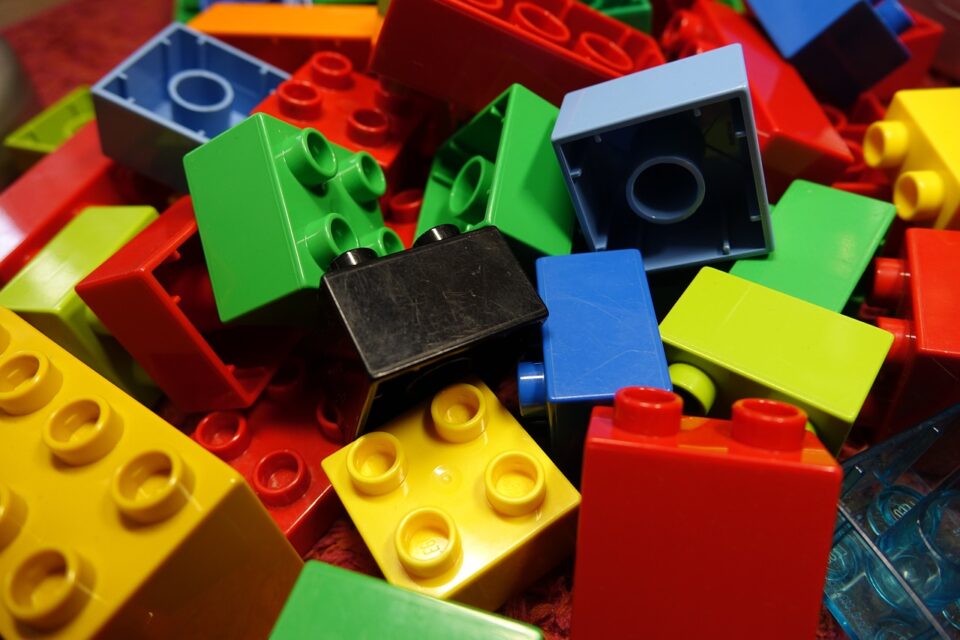
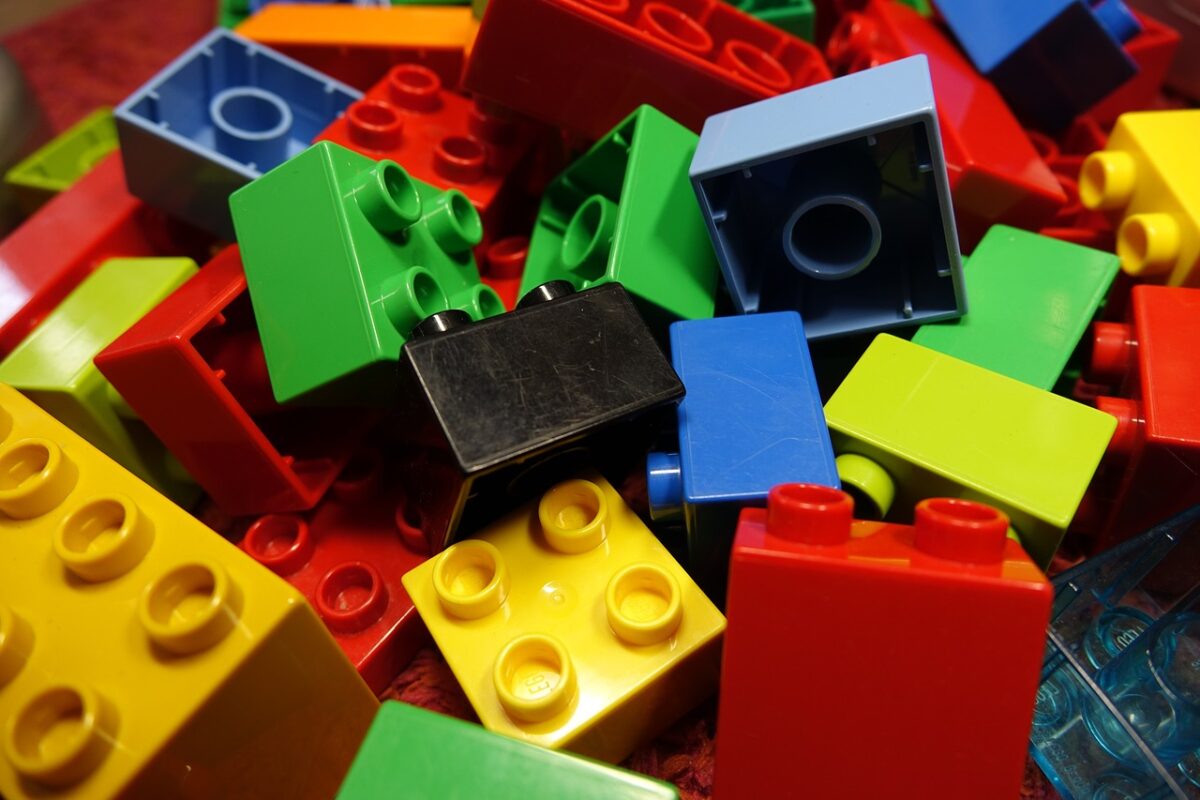
If we want our Legos to match, attach, and detach, we might have to wait awhile for them to develop the appropriate bio-based plastic.
While the mission of the DC Cat Count is humane treatment of cats, it is also a cat census that provides a basic economic lesson.
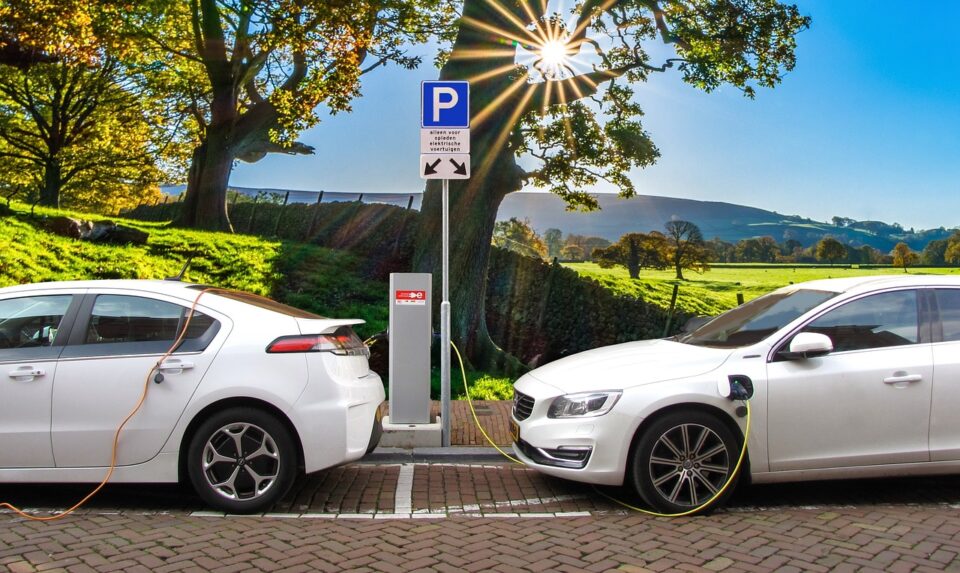
While electric vehicle subsidies create the incentives to buy more environmentally friendly vehicles, they might be targeting the wrong people.