October 8, 2021

By looking at the impact of the Affordable Care Act's calorie label mandate, we can guess how much Google's emission facts will influence us.
By looking at the impact of the Affordable Care Act's calorie label mandate, we can guess how much Google's emission facts will influence us.
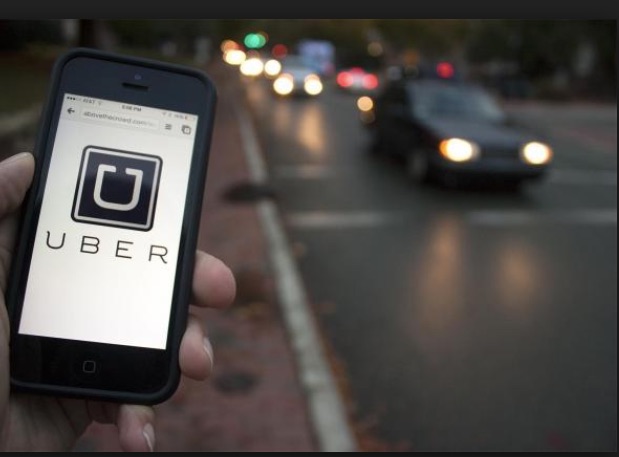
To reduce emissions and wasted time, Uber and Lyft should encourage the ride sharing that will decrease traffic congestion.
Seeing Otis, Holly, and 747 compete during Alaska's Fat Bear Week reminds us of the impact of wilderness and development tradeoffs.
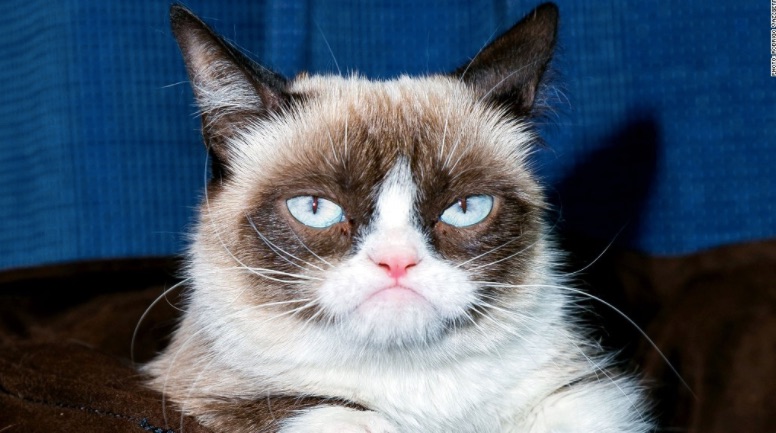
Similar to the value of Grumpy Cat before she died, behavioral economists suggest that pricing the environment would give it more worth.
With cities reporting record high temperatures, some have decided they need Chief Heat Officers to create a response.
As consumers and investors, we need ESG (Environmental, Social, and Governance) scores that use consistent definitions and criteria.
We can use a tree equity score to compare the wealth and health of two communities because of the benefits created by trees.
In addition to the human-elephant conflict, China's wandering herd of elephants takes us to all that they ate.
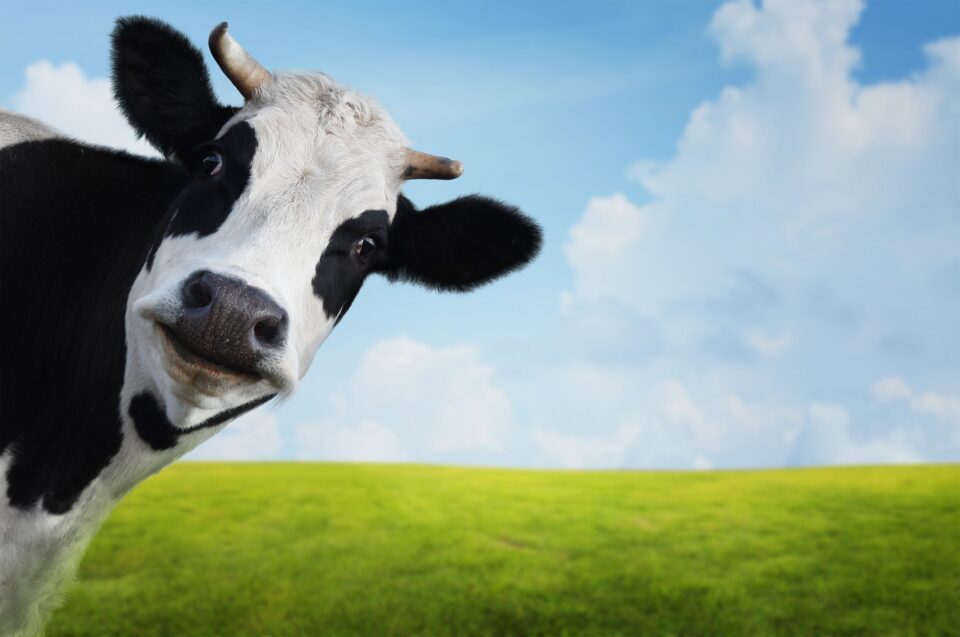
As a source of the world's methane, cow emissions have been a focus for researchers trying to reduce their burps.
Typical of the tradeoffs created by all decisions, wearing the face masks that prevent the spread of Covid can mean more plastic pollution.
If we really want to diminish our carbon footprint, we need to focus on behavior that is somewhat different from what we usually do.
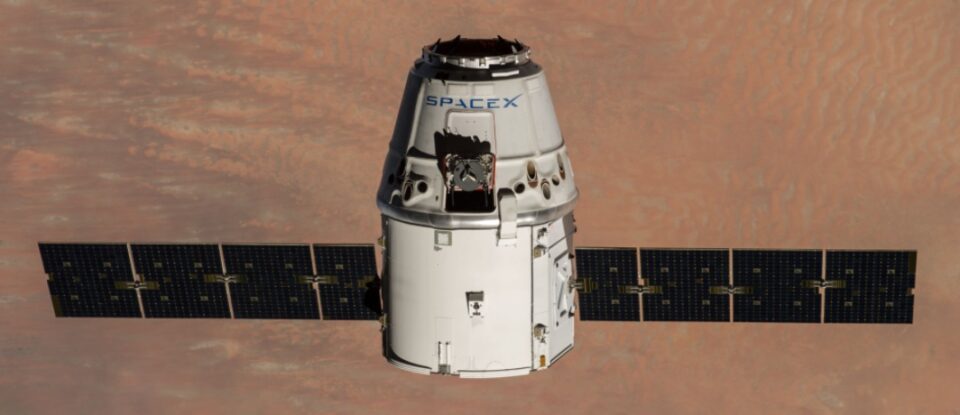
A 14 month International Space Station wine test with 12 bottles of Bordeaux will teach us about about global warming.