June 3, 2019

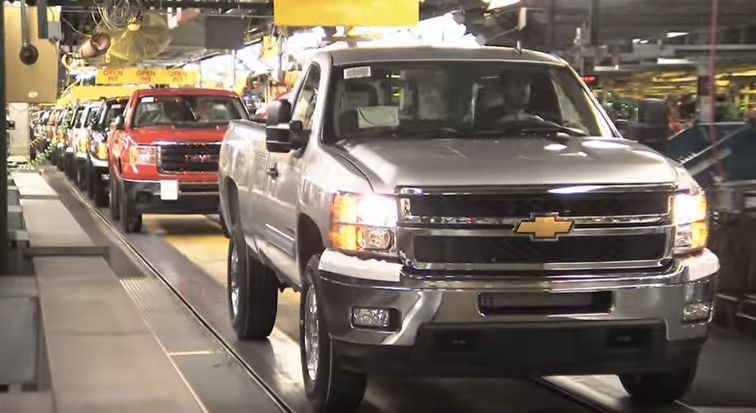
When we look closely at U.S. imports from Mexico, we might be surprised when we see where their components were manufactured.
When we look closely at U.S. imports from Mexico, we might be surprised when we see where their components were manufactured.
Like corporations, countries engage in branding when they change their name or try to influence what the world thinks about them and their products.
While we see similar tastes and shopping patterns in the world's most expensive cities, the reasons for a high and low cost of living vary.
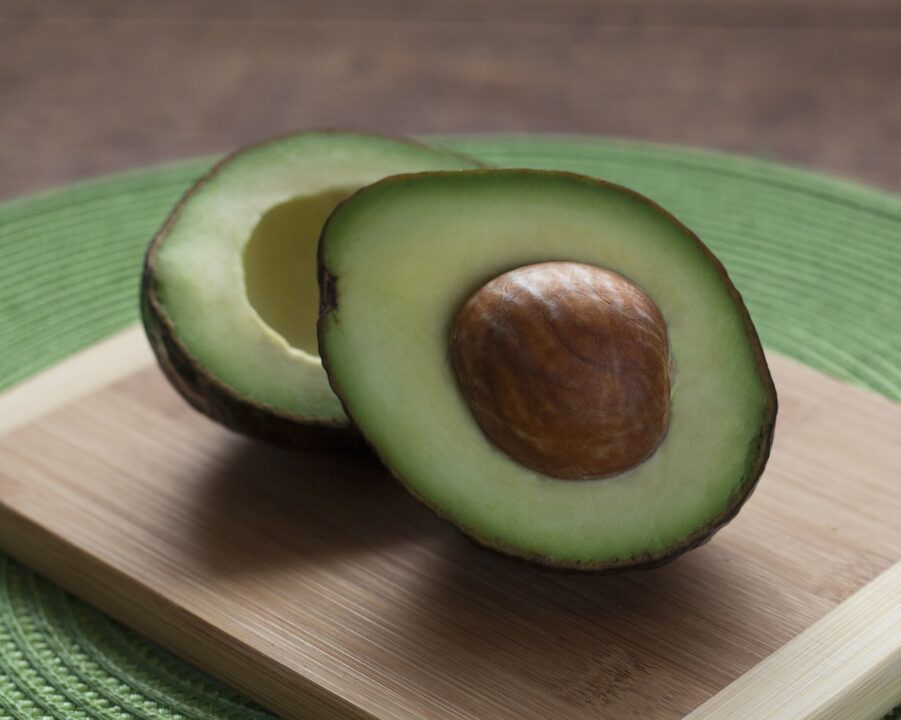
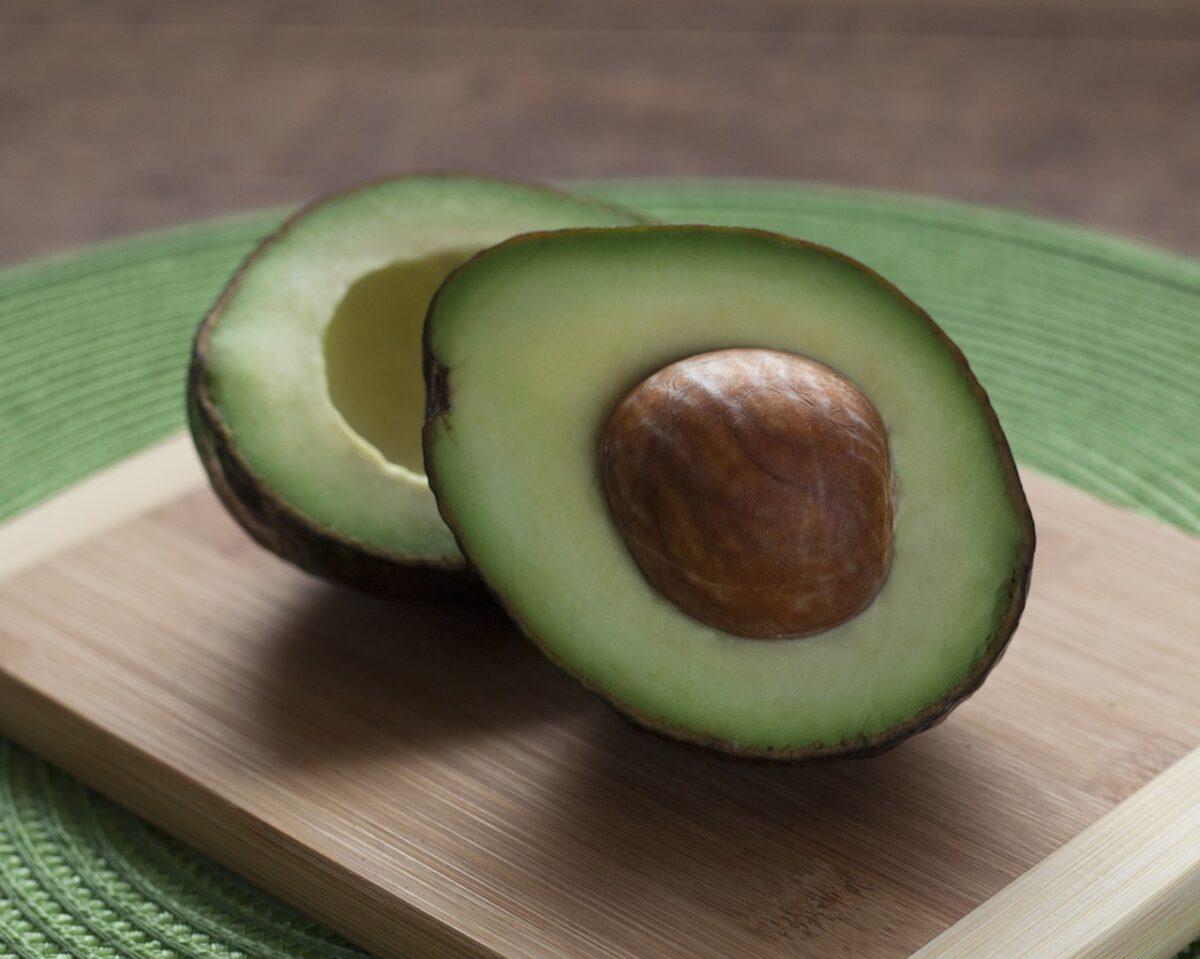
Although Fresh Direct did not really eliminate the avadcado pit, they could more accurately tell us that they were increasing avocado prices.
The Index of Economic Freedom is a handy source of data for judging whether or not a government has a laissez-faire philosophy.
From the very beginning in 1922, Venezuela's oil industry fueled governmental decisions that created an incurable case of Dutch disease.
While it depends where you look and the industries you select, you can see that U.S. manufacturing is now experiencing a modest rebound.
When we compare Bhutan's gross national happiness (GNH) to its gross domestic product (GDP, we could decide if happiness relates to economic growth.
From U.S. farm income to Brazil's exports to a racing cargo ship, the impact of China's retaliatory soybean tariff has had a global impact.
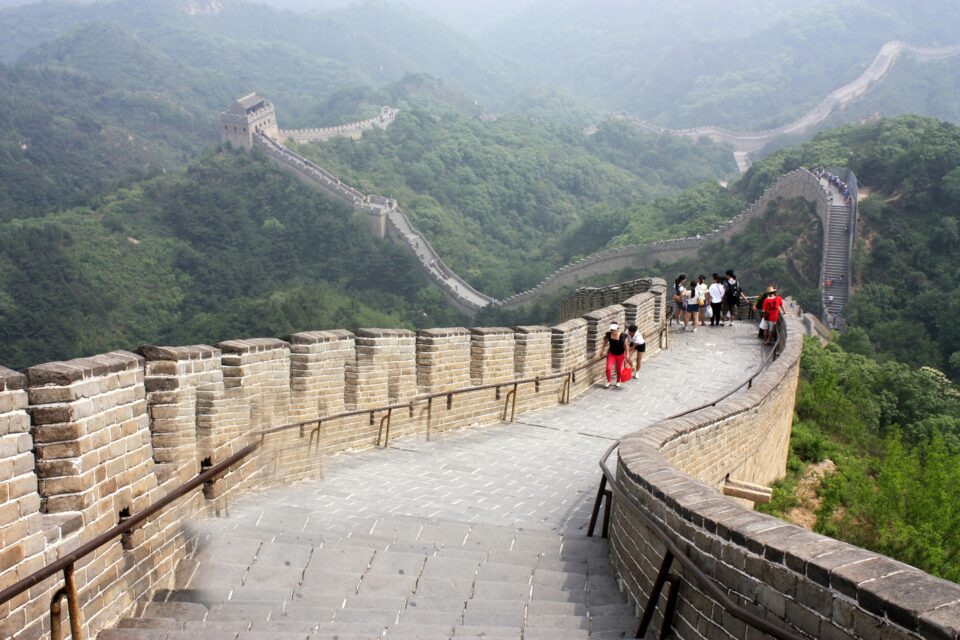
China's economic development and much more will be propelled if its Belt and Road Initiative sends trillions to countries in three continents.
Attempts to encourage African wildlife conservation have changed incentives that affect African villagers and U.S. hunters.