November 30, 2014
Following the law of supply, U.S. shale oil firms will lower output because OPEC is letting price plummet but airlines on demand side like lower prices.
Following the law of supply, U.S. shale oil firms will lower output because OPEC is letting price plummet but airlines on demand side like lower prices.
Increasing income inequality by moving from communal farming to individual plots, Plymouth Colony Governor William Bradford changed income redistribution.
Very long term federal debt that has no date for redemption like UK First World War bonds and U.S. Revolutionary War debt depend on good public credit.
While Ebola fear caused raw cocoa futures prices to rise in September, its long term rise has been because of more demand from developing nations.
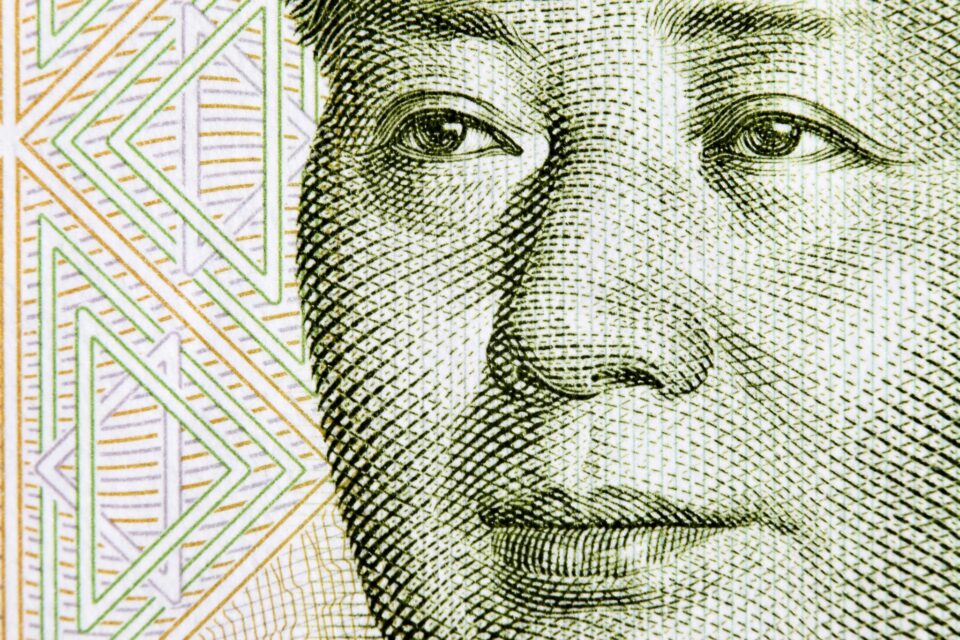
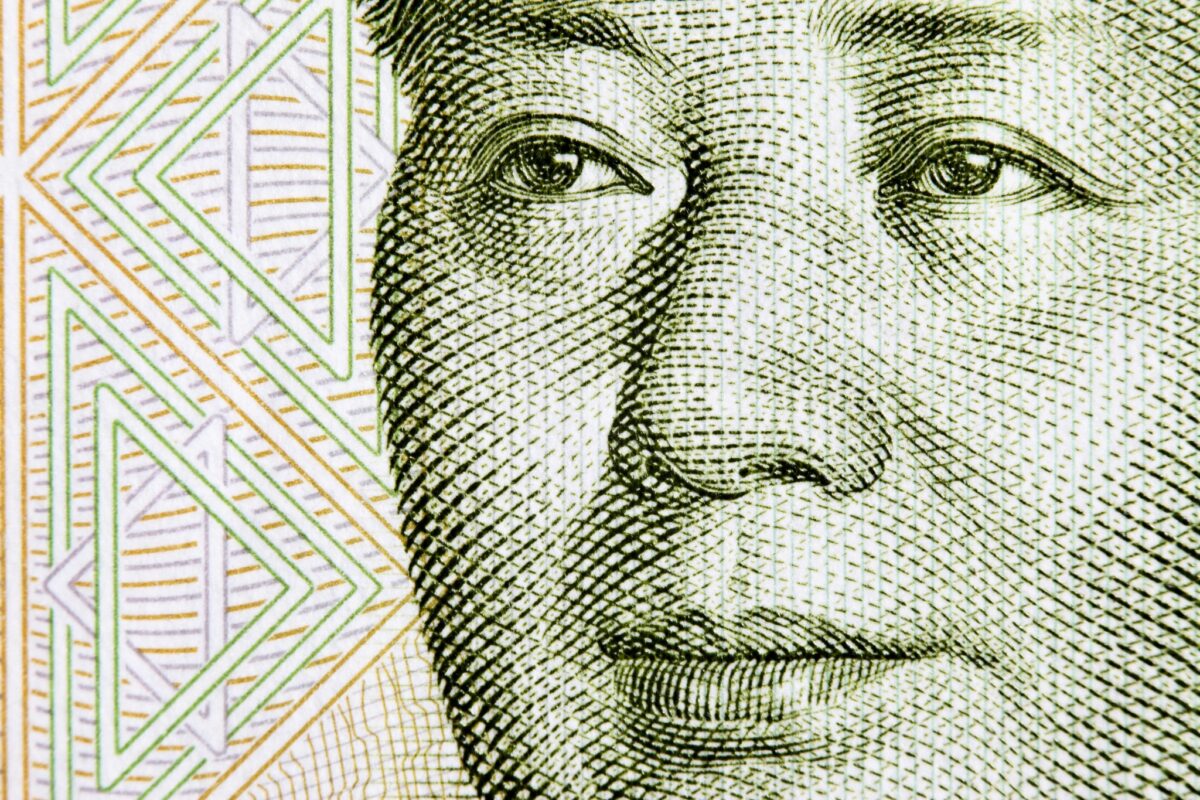
China might not fuel world economic growth if instead of a 7 percent real GDP growth rate forecast, we use a regression to the mean of 3.9 percent.
Because host countries for the Olympics and World Cup spend too much on new stadiums, their subsequent return on investment (ROI) is usually inadequate.
While a misery index shows a nation's inflation and unemployment rates, the eurozone's high unemployment might create disproportionate unhappiness.
With populations growing older in the developed world, their wellbeing might affect the GDP growth rate because of the expense of their care.
Like 19th century English coal, more efficient and cheap LED lights can mean people and businesses use it more because of the lower opportunity cost.
Whether looking at the supply chain for a pencil or an iPhone 6, we see globalization because price system incentives create cooperation.
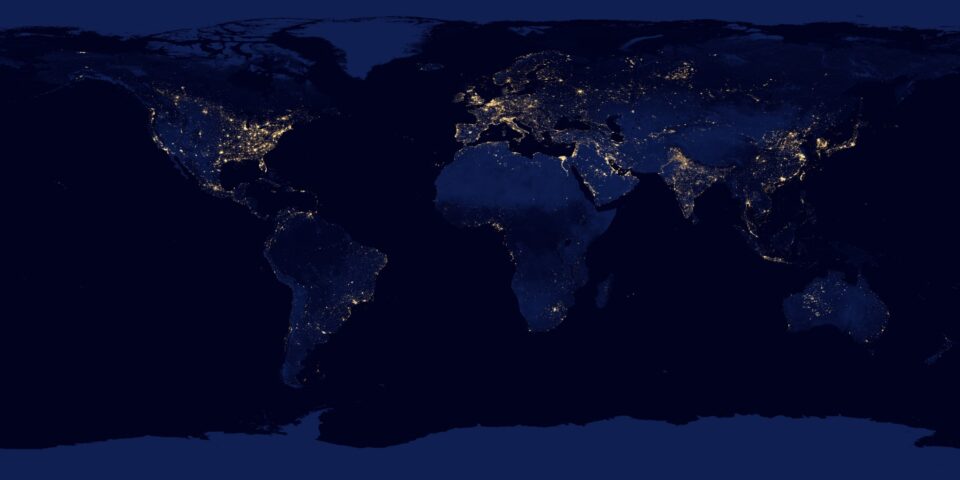
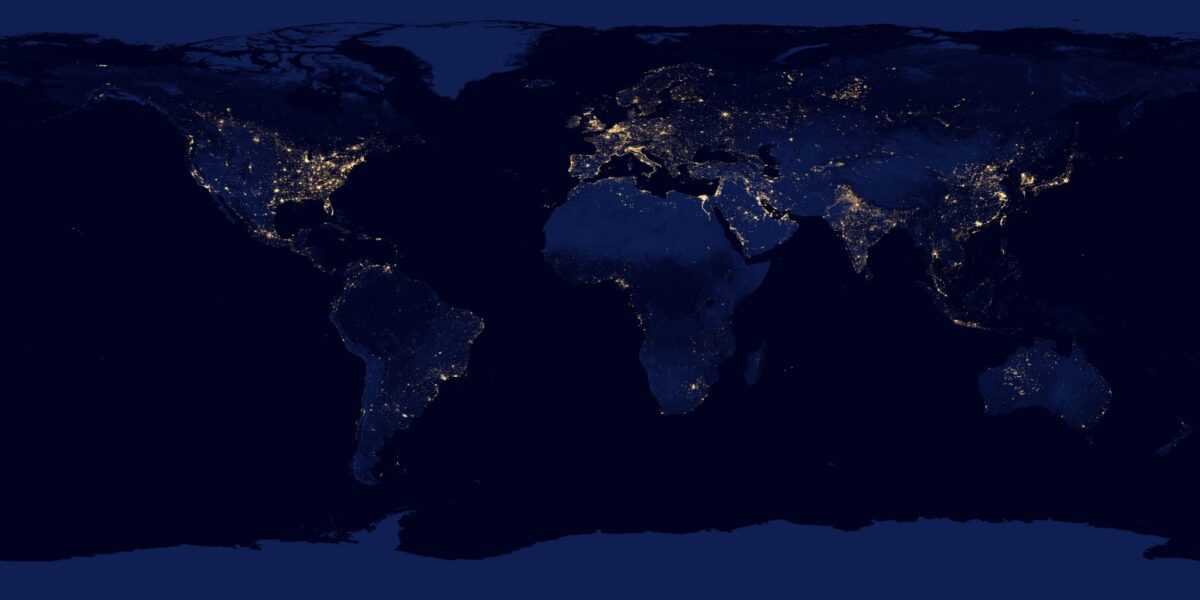
From statistics and a satellite image of the world at night, we can see that developing countries lack the electrification they need for economic growth.
Led by Chinese economic growth and other emerging markets, the center of economic gravity is moving eastward from the developed world to Asia.