December 29, 2025

Continuing to look at breakfast inflation, we find that some items have fueled its rise while others have constrained it.
Continuing to look at breakfast inflation, we find that some items have fueled its rise while others have constrained it.
While we might be used to airlines' dynamic fare pricing, our response could be different at the supermarket.
Reflecting widespread economic conditions, many of us have discovered the impact of tariffs on artificial Christmas trees.
When we try to understand the consumer's affordability concerns, a snapshot of the economy can be misleading.
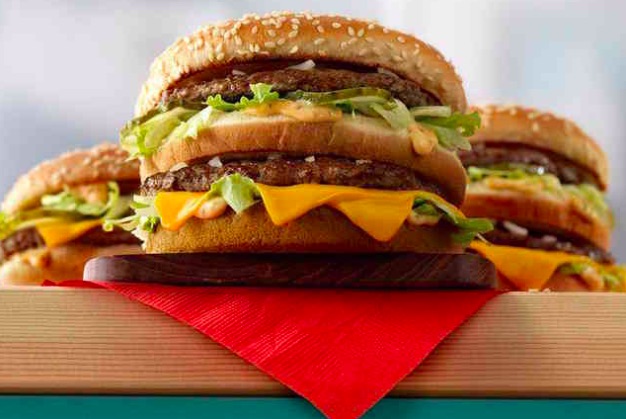
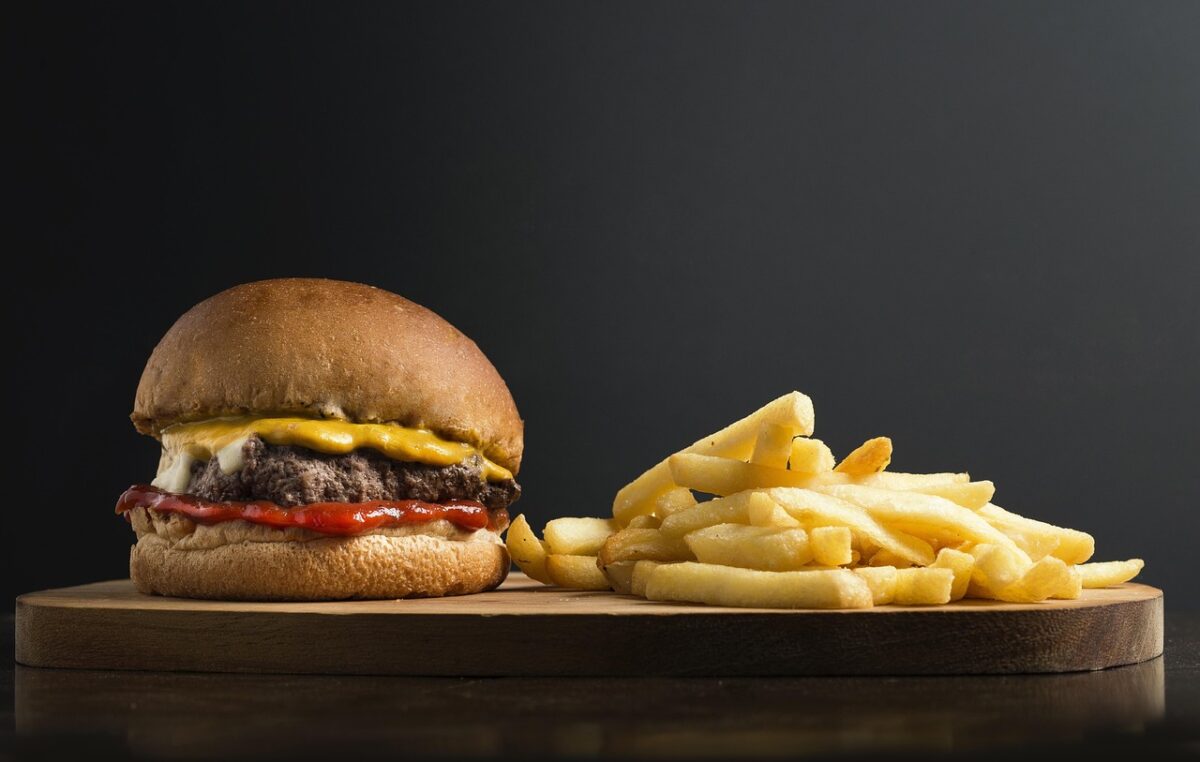
For wages, hoping accurately to compare "apples to apples," we can go to McDonald's for a McWage and a BMPH (Big Mac Per Hour) Index.
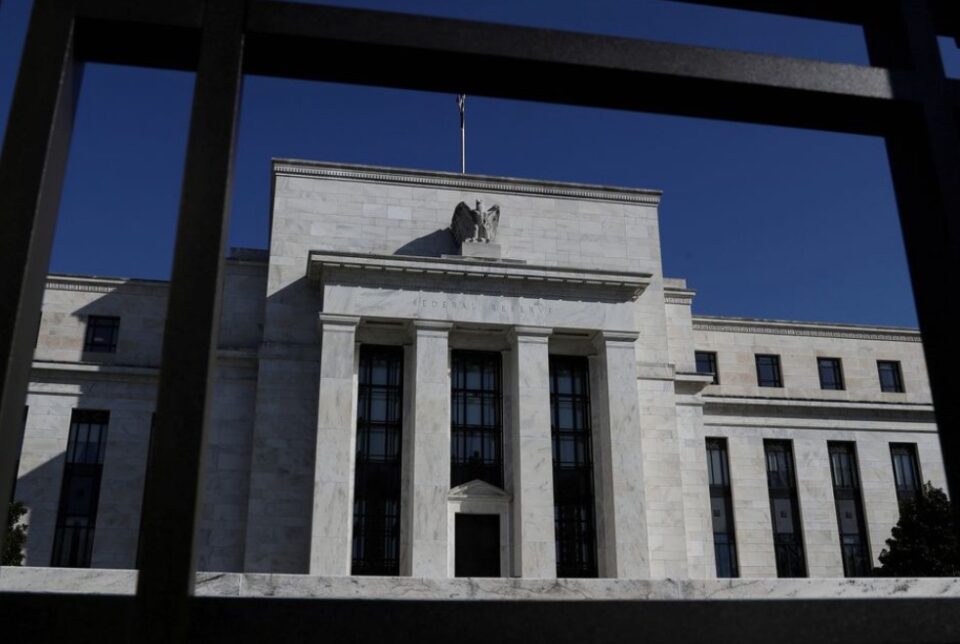
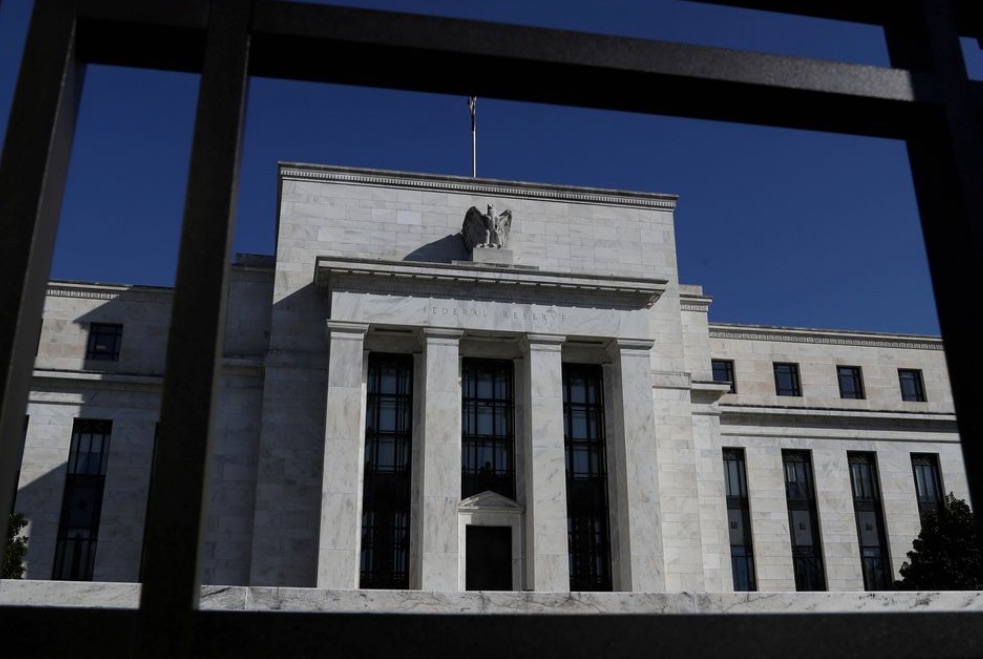
Reflecting Federal Reserve Policy challenges, Chairman Powell and "The Economist" see the U.S. inflation threat differently.
Used to inflation expressed as a number showing how much it changed, instead, we can do a breakdown to see the items that moved the index.
Somewhat typical in Norway, dynamic grocery prices in U.S. supermarkets have generated opposition from consumers but not businesses.
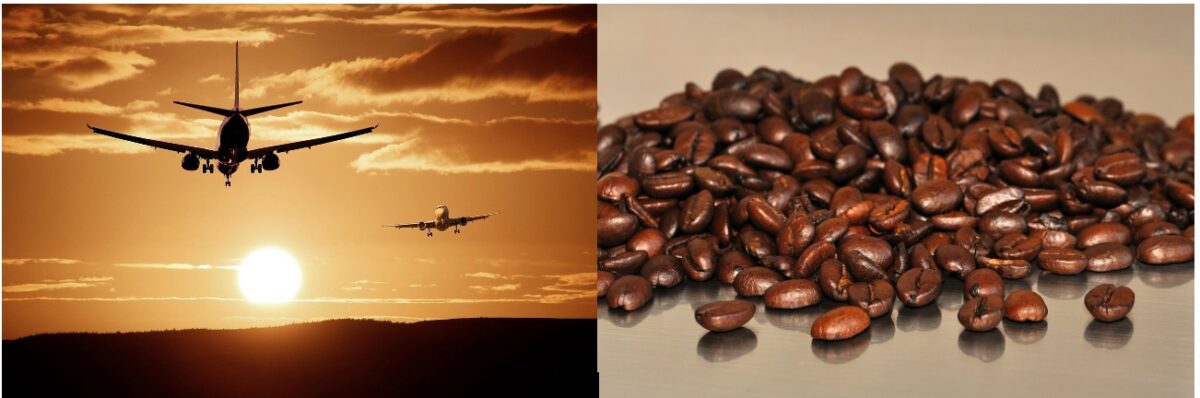
When President Trump announces a whopping 50% tariff on imports from Brazil, we can expect unintended consequences for coffee and airplanes.
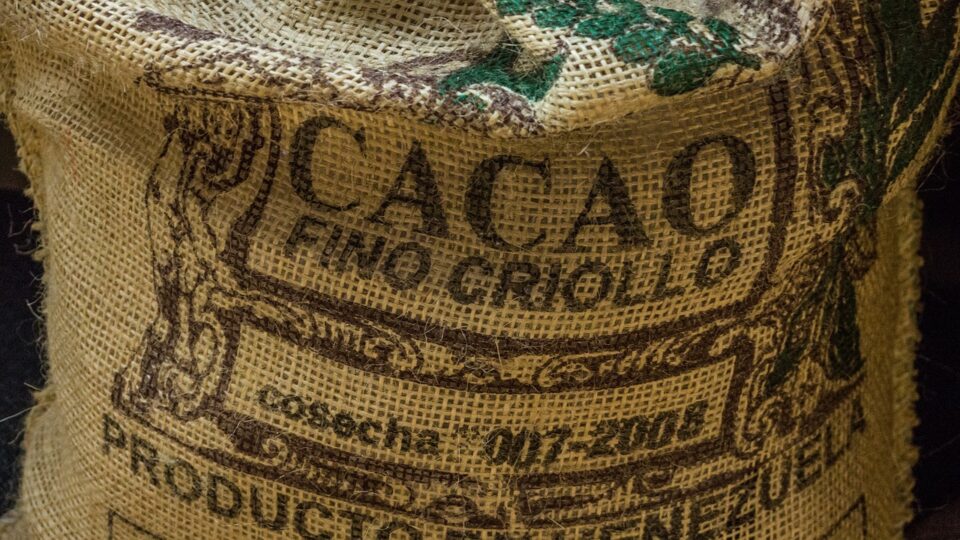
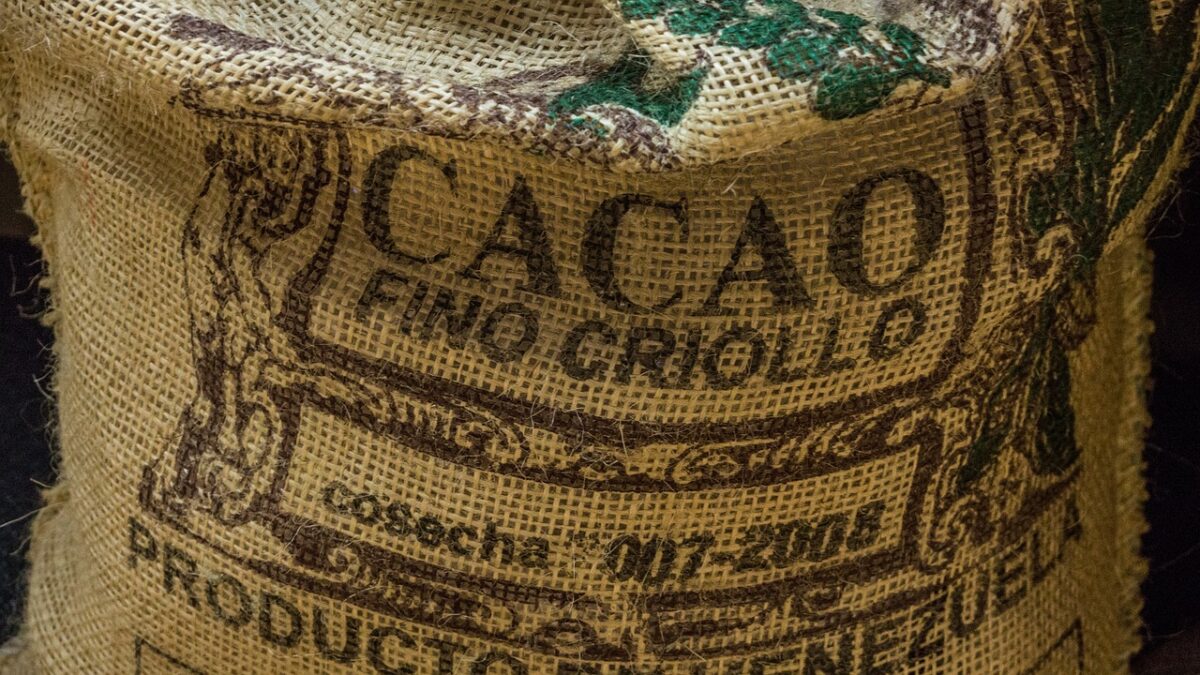
Comparing Europe to the United States, we might see that chocolate buyers have a different response to price hikes.
Involving 94 million households, our pet spending depends where we live, what we buy, and the reason for our purchase.
By monitoring restaurant prices for the meals we typically order, we can see how real people's lives have become more expensive.