February 8, 2022

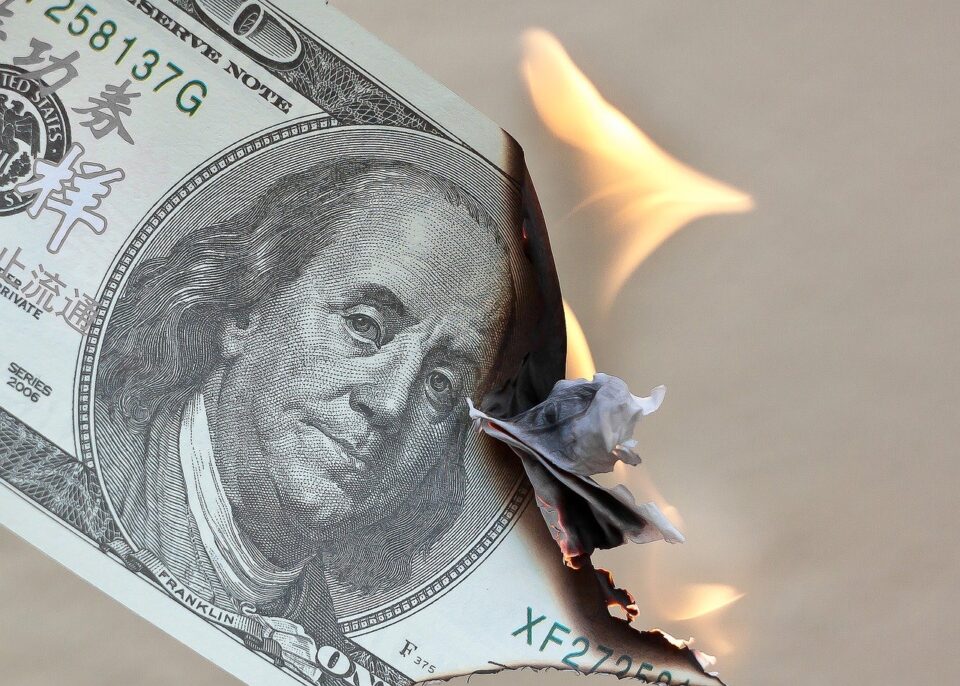
Looking at 46 countries, we can ask if global inflation is similar to what we are experiencing in the United States.
Looking at 46 countries, we can ask if global inflation is similar to what we are experiencing in the United States.
Because the CPI is an index showing percent changes, it is helpful sometimes to see actual price changes for items like new cars.
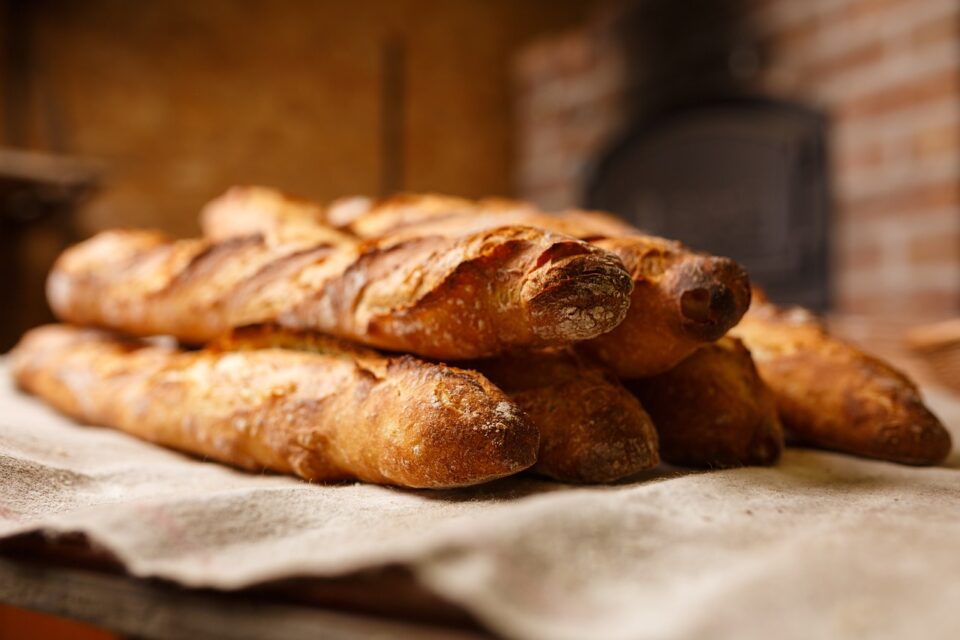
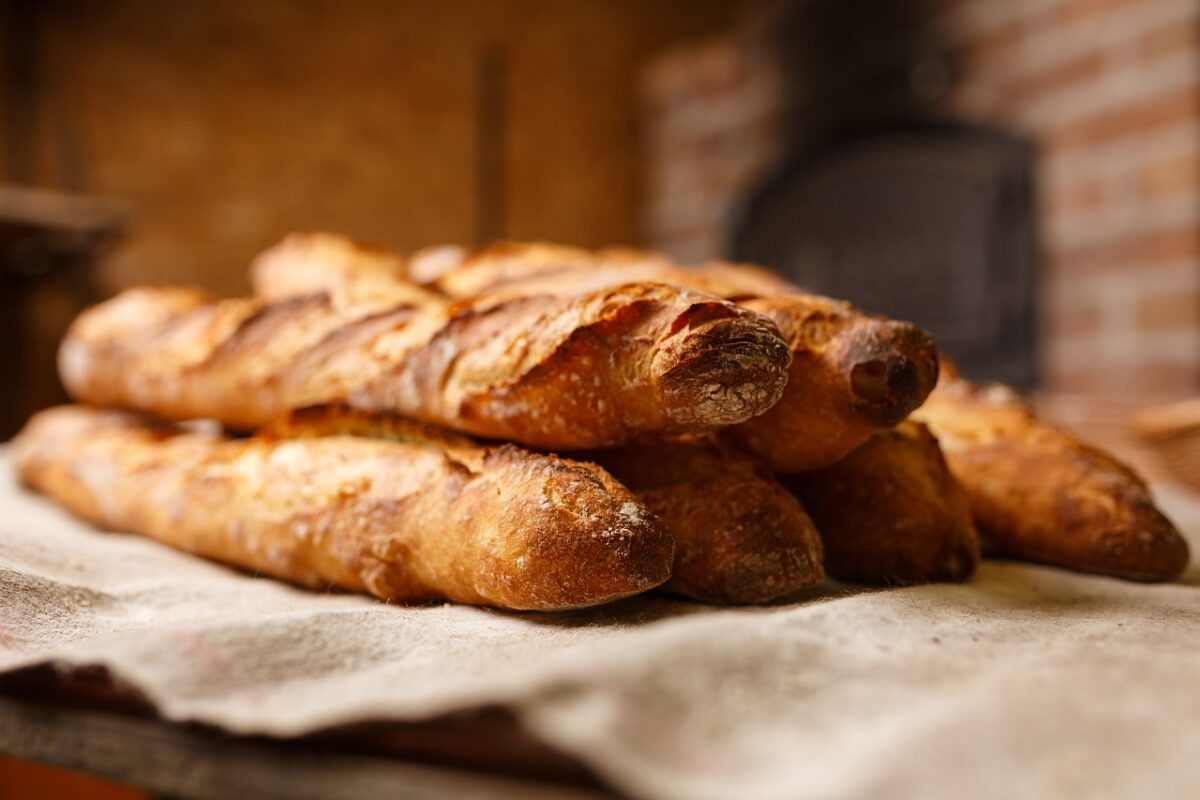
The pride of the French, a boulangerie baked baguette has been threatened by rock bottom supermarket baguette prices.
The U.S. BLS will be using real time data from J.D. Power for new cars and trucks in its May CPI (Consumer Price Index) release.
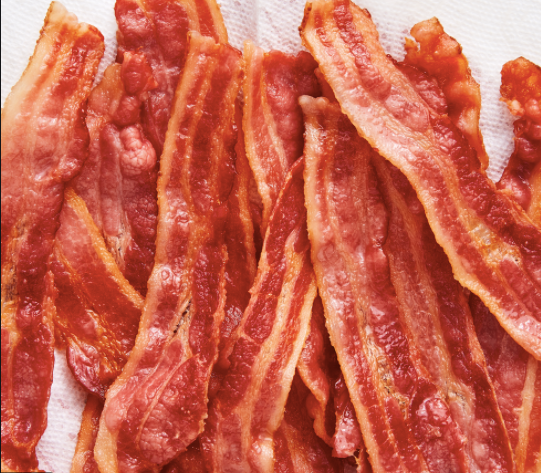
Seeing the prices for bacon and oranges soar, we can ask which one of the causes of inflation is the reason.
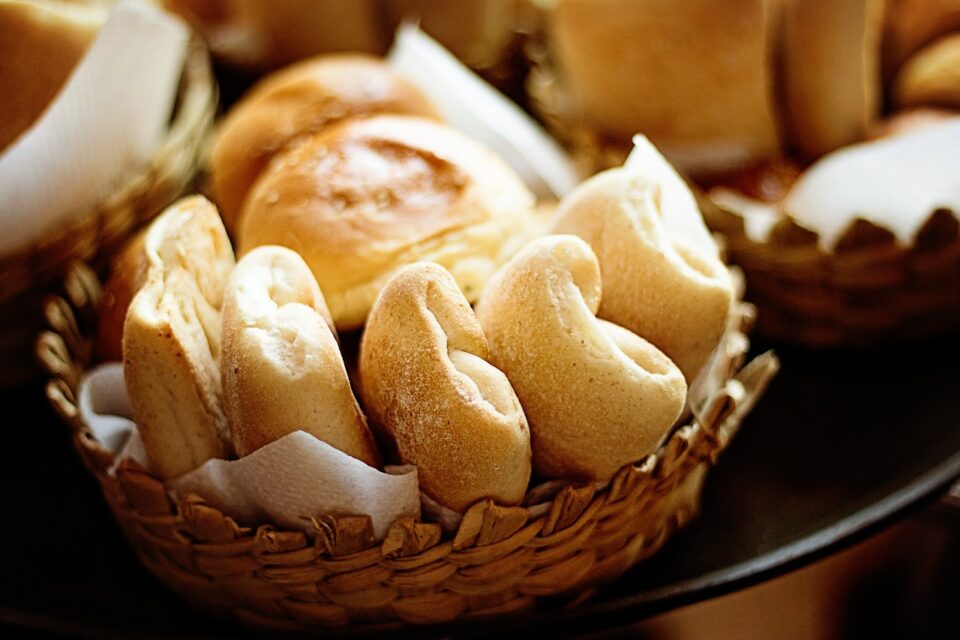
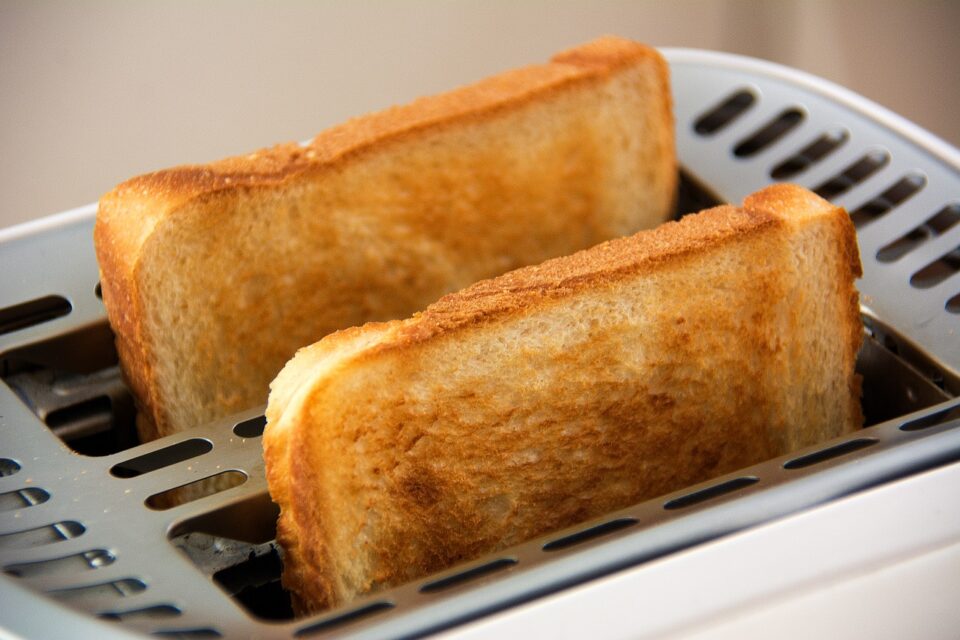
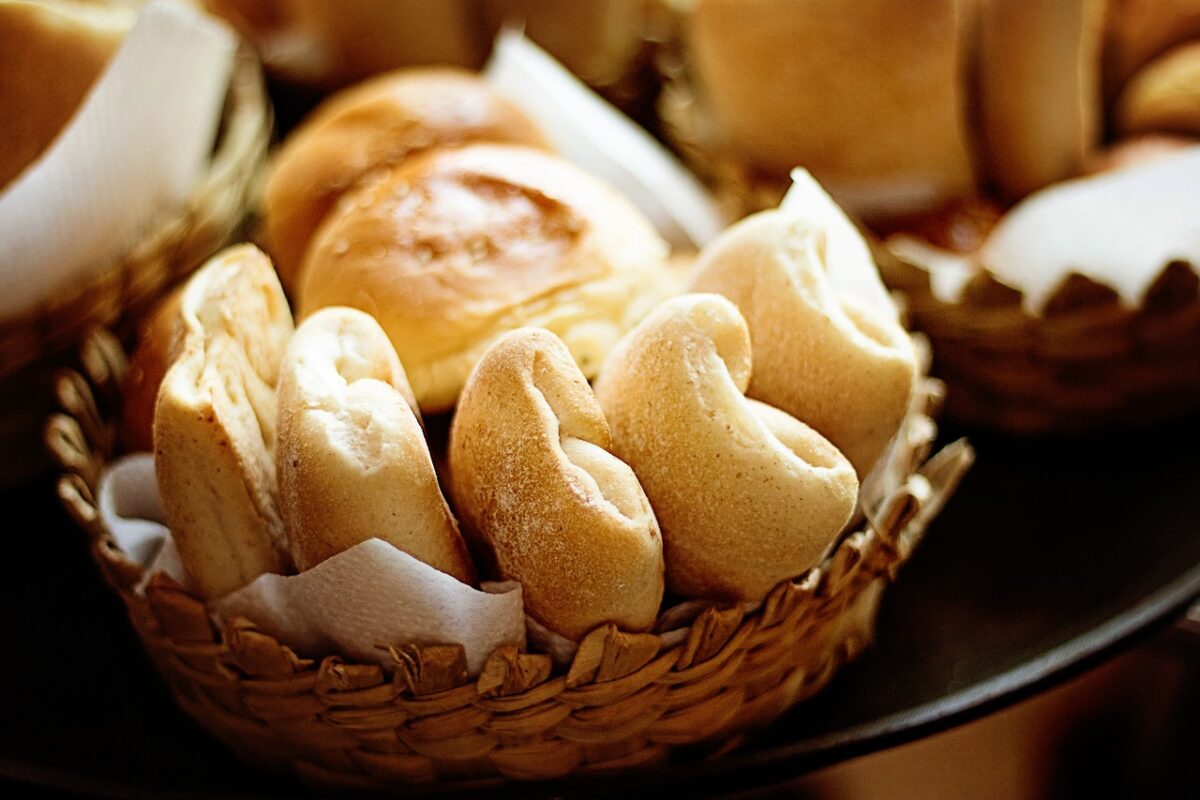
With rising restaurant costs for food and labor, we will be seeing different menus and wondering what happened to the bread.
While monthly CPI reports emphasize the average increase in prices, we can also use it to see the differences in household spending.
About much more than foliage, Christmas tree economics convey a message composed of the price increases that are rippling across the U.S.
Concerned that inflation might reduce sales, the remedy is shrinkflation through which food makers reduce package size.
With flooding becoming more frequent, national policy makers need to decide if flood insurance should be more affordable or avoidable.
When a producer is concerned that a price increase will diminish sales and increase consumers' ire, the other alternative is shrinkflation.