April 19, 2018
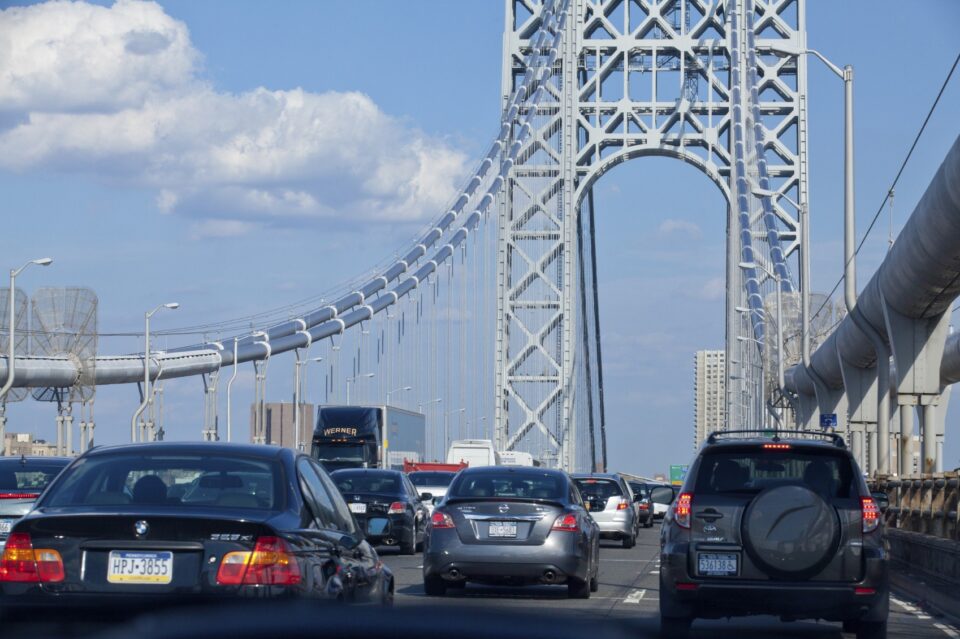
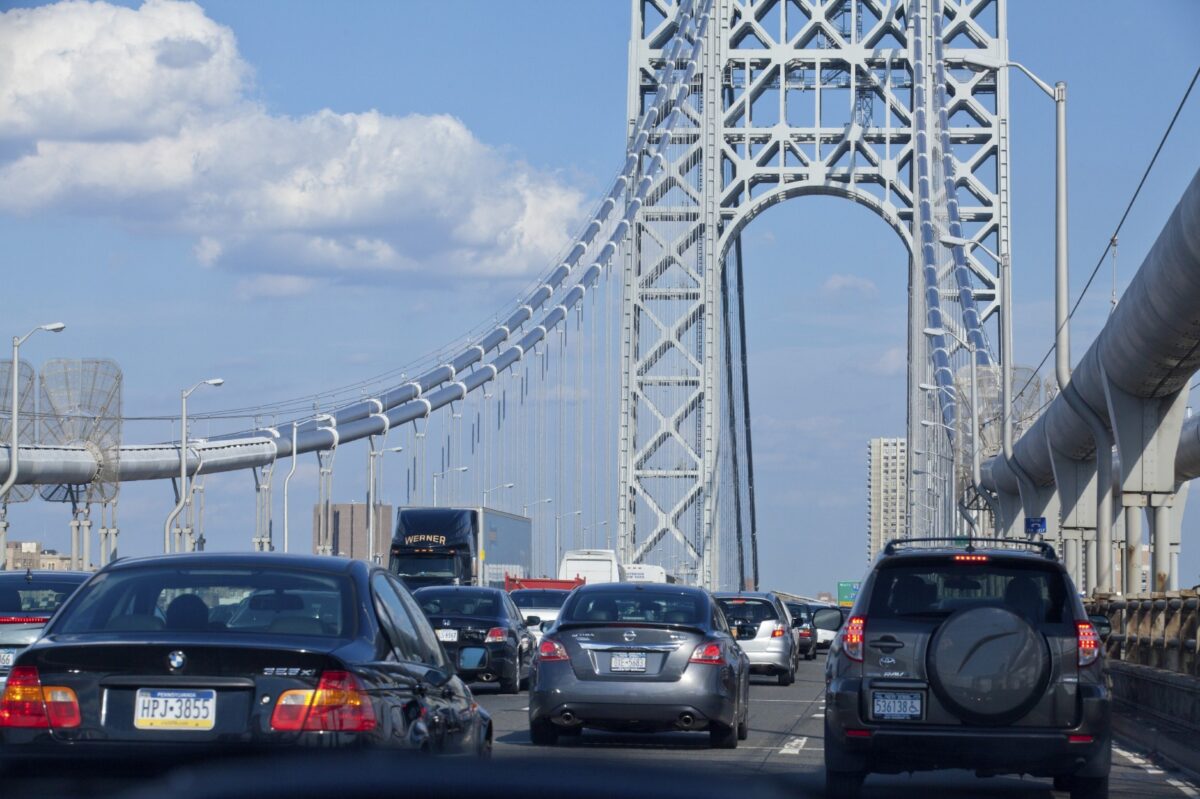
With more drivers using Waze and other traffic apps to avoid rush hour delays, local neighborhoods have begun to resist the disruption.
With more drivers using Waze and other traffic apps to avoid rush hour delays, local neighborhoods have begun to resist the disruption.
A paradox explains why our concern for wildlife conservation might not extend to the charismatic animals we most care about.
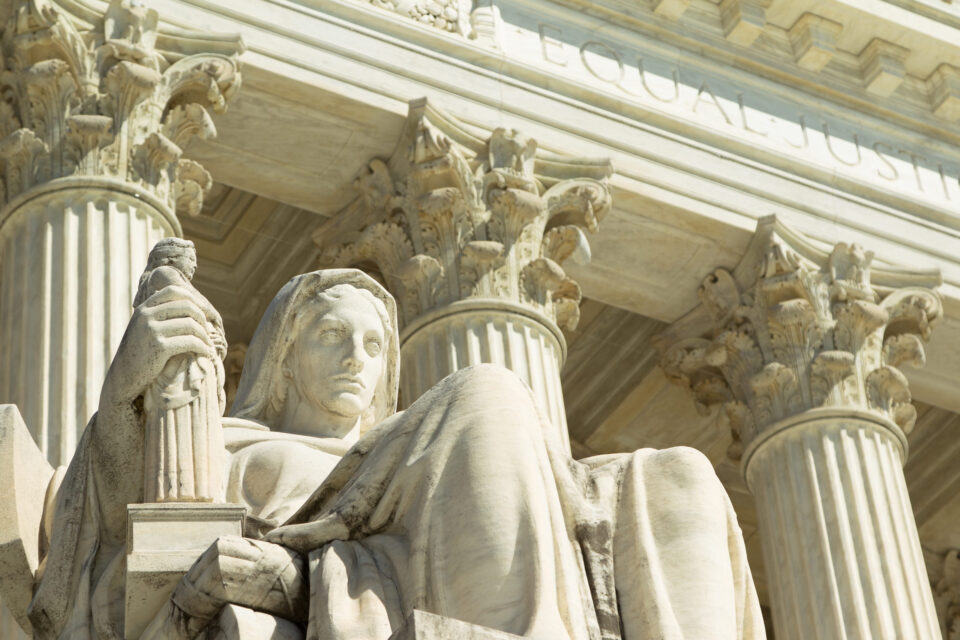
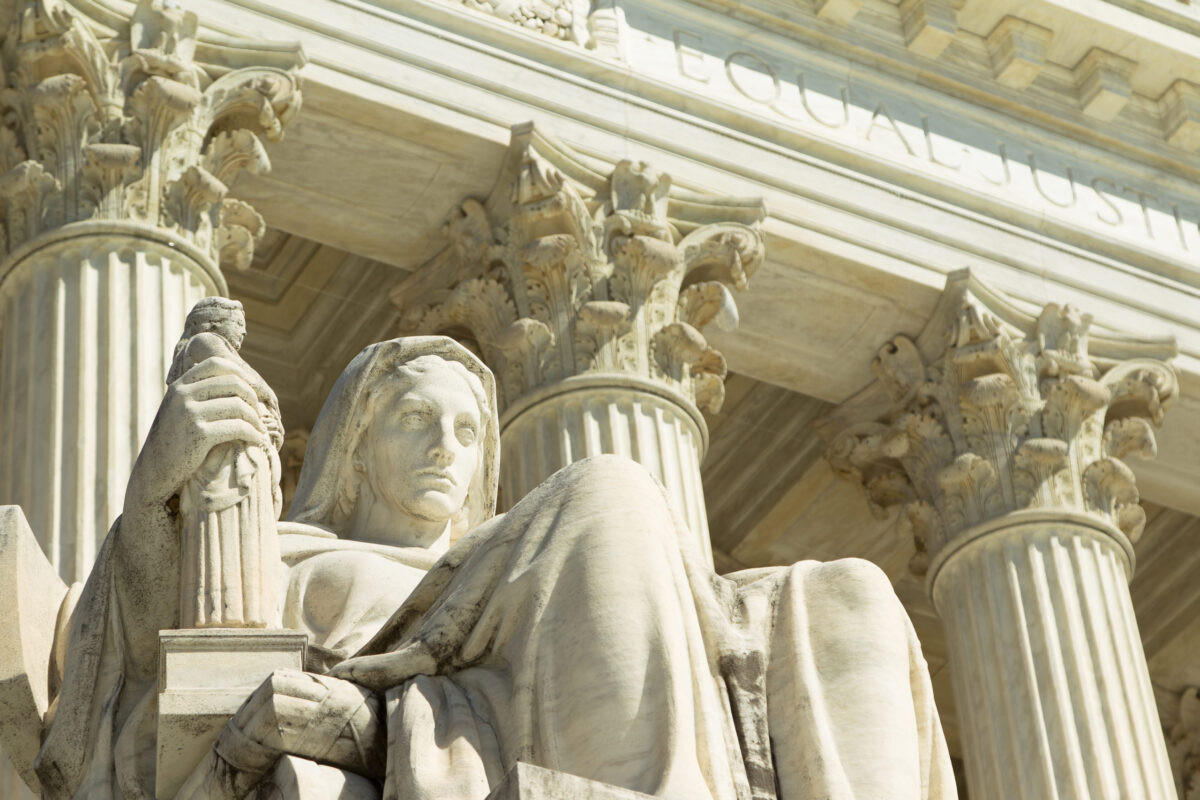
The internet taxes that none of us pay may soon be required by the Supreme Court if South Dakota wins a decision against Wayfair.
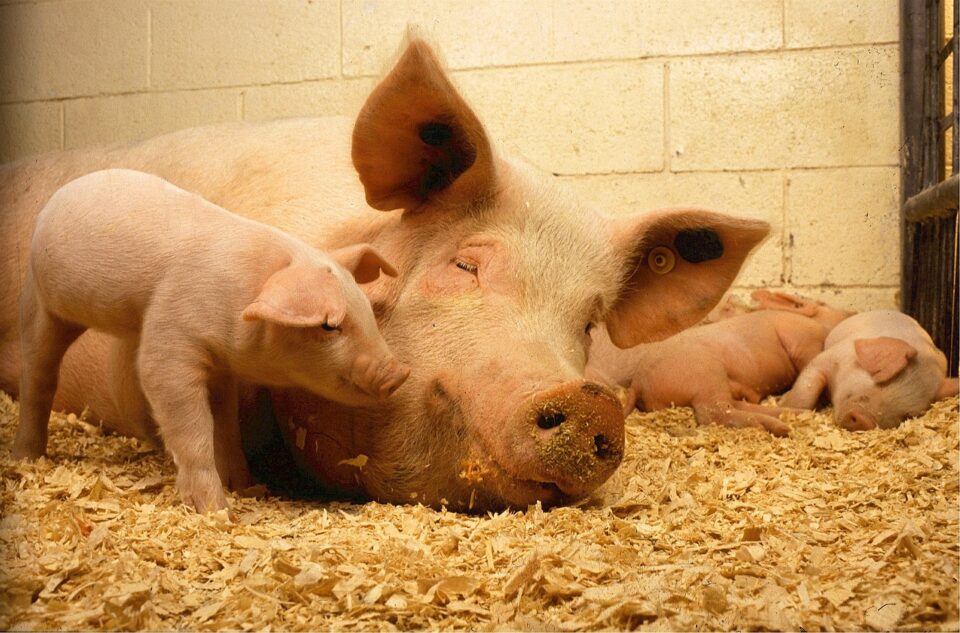
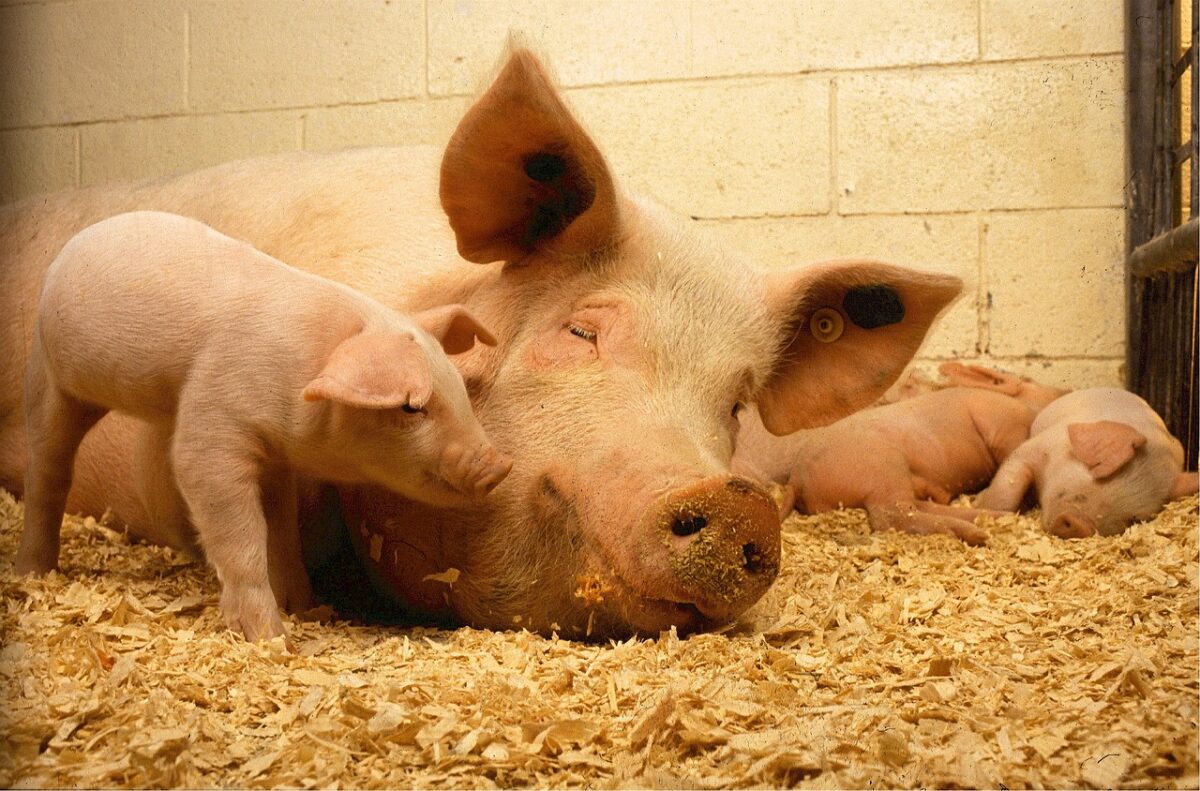
Whether looking at chicken paws or hog hooves, U.S. and China food tastes have worked well together until U.S. and Chinese tariffs have upset the benefits of the relationships.
When cities like San Francisco pass rent control legislation to create affordable housing, they could wind up with unintended consequences.
While facts about China's wine imports from the U.S. are somewhat surprising, still the impact of a tariff war is predictable.
Illustrated by a tooth whitening case at the U.S. Supreme Court and new research from Northwestern, the spread of occupational licensing could need further evaluation.
The Index of Economic Freedom is a handy source of data for judging whether or not a government has a laissez-faire philosophy.
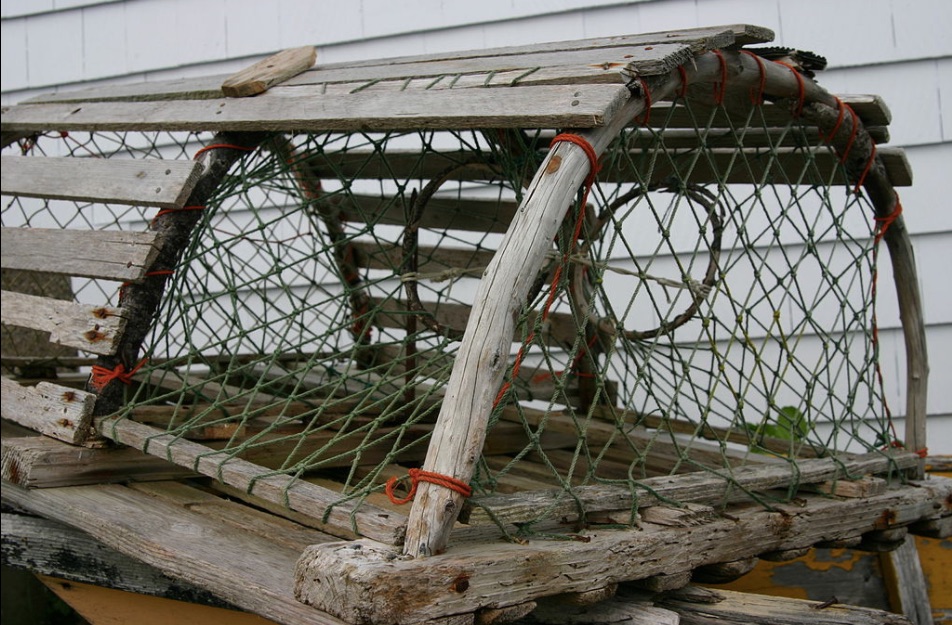
As Canadian fisheries enjoy more business because a trade deal lowered the price of lobster exports, Maine's fisherman are suffering from lower sales.
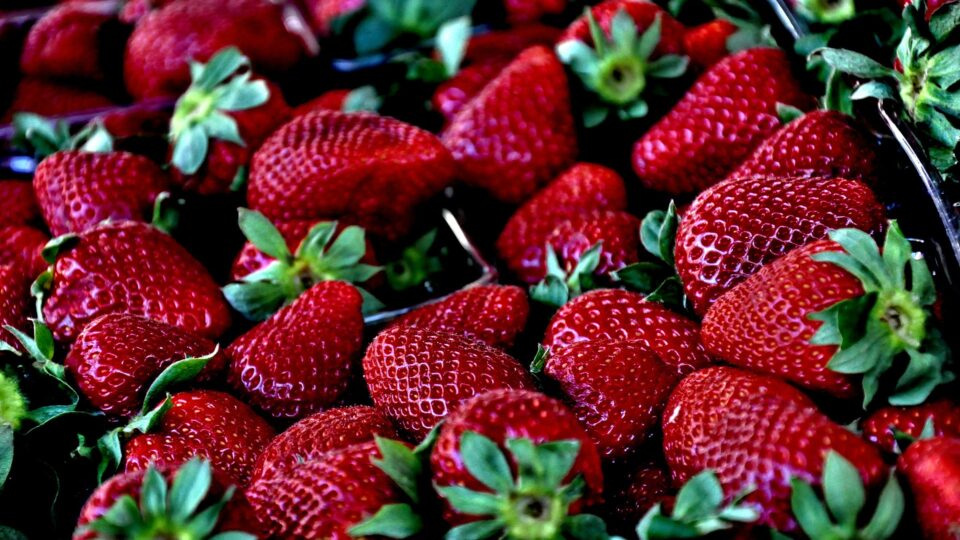
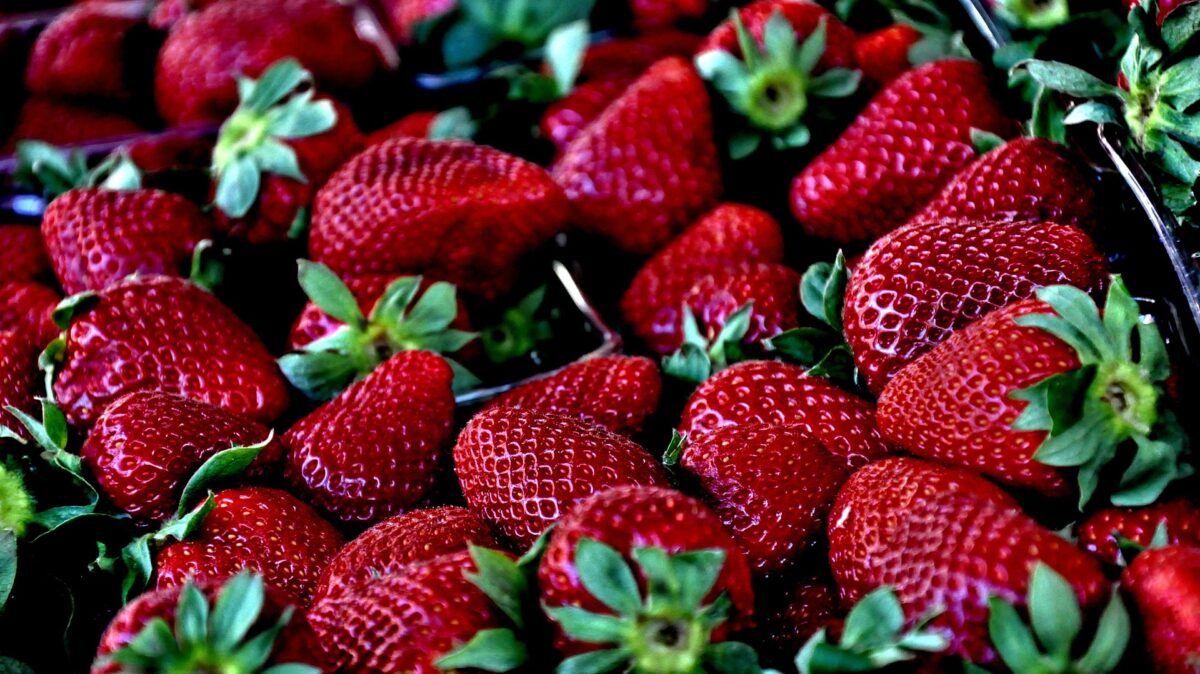
More than governments negotiating agreements, free trade is about the variety of strawberries, chickens, pickup trucks and pencils that we can buy.
Craft brewery competition got tougher as the number of craft breweries went up and the number of available beer names went down.
Now that music with words can accompany Olympic figure skating, there is less classical music, more hip-hop and Beyoncé, and some questions about intellectual property rights.