May 5, 2019
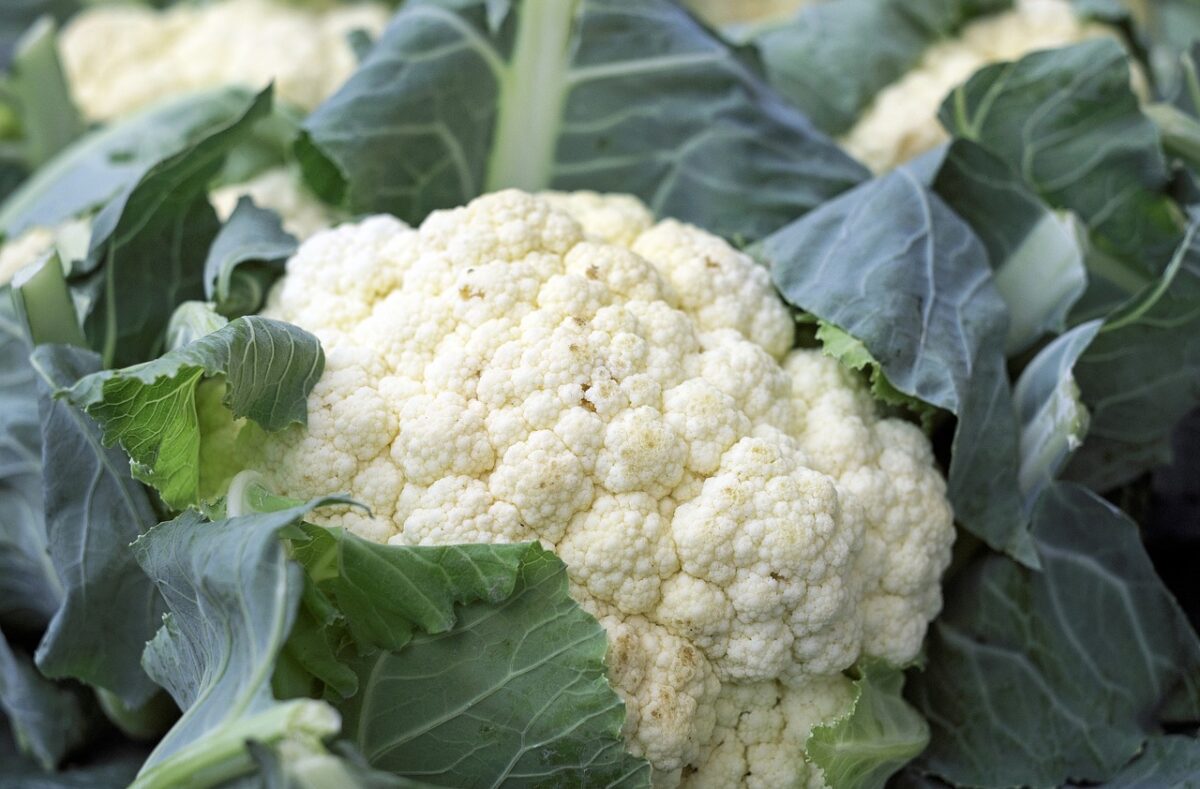
The farmers who produce rice, milk, and meat have sought to ban the food labels used by cauliflower rice, almond milk, and plant-based meat makers.
The farmers who produce rice, milk, and meat have sought to ban the food labels used by cauliflower rice, almond milk, and plant-based meat makers.
In a new report, the Congressional Budget Office (CBO) presents a menu of choices that we will need to consider if we want single payer healthcare.
In addition to its impact on the Great Depression, Smoot-Hawley occupies a special place in tariff history because of its impact on us.
When we look at the cost effectiveness of healthcare spending, we could conclude that it is not as excessive as the headlines indicate.
Through duties and washing machine tariffs, the U.S. government has created new incentives for manufacturers that harm consumers.
When we consider the impact of social jetlag on our health and productivity, our sleep time could matter more than we think.
When Massachusetts voters said yes to legal marijuana, they made an economic decision that relates to competition, taxes, and banking.
#TBT: Today's Throwback Thursday looks back to why Standard Oil was divided into 34 companies by the Supreme Court in 1911 and then forward to Amazon.
Depending on whether you look at national statistics or the numbers on a company basis, employee median pay can look very different.
Reflected by duffle bags filled with cash, marijuana's financial services problems demonstrate why we need banks and other financial intermediaries.
While it sounds simple to charge vehicles for driving in a certain area, New York's actual congestion pricing plan is much more complex.
By avoiding repugnant transactions like selling foie gras or human organs, we are eliminating the benefits of the market.