January 20, 2015
Explained by behavioral economics, we save relatively little for retirement because of intertemporal selfishness and seeing our future selves as strangers.
Explained by behavioral economics, we save relatively little for retirement because of intertemporal selfishness and seeing our future selves as strangers.
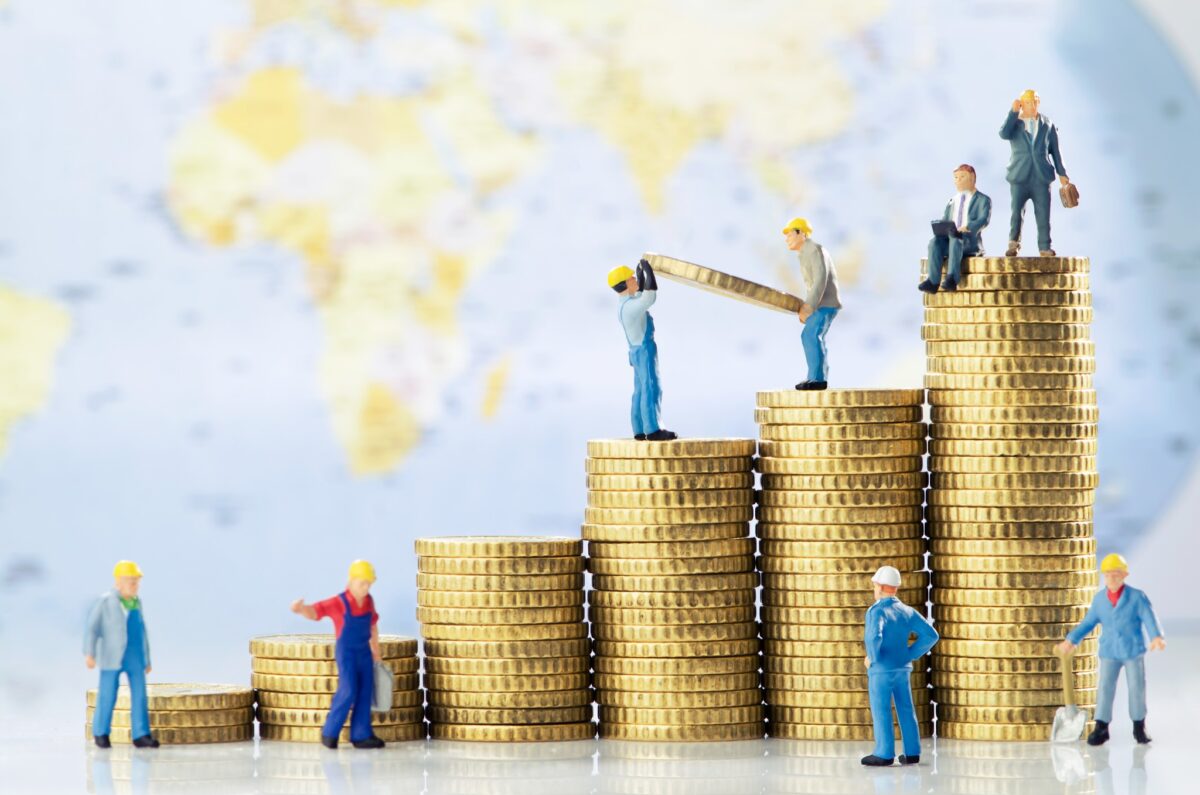
While everyone refers to the middle class and most of us say we are in the middle class, few know the characteristics of the group to which they refer.
With the House requiring dynamic scoring of tax legislation from the CBO, the bigger tax debate resurfaces on how much redistribution and spending.
Behavioral economic ideas show that product differentiation and consumer preference are more from branding than the taste of colas or beers.
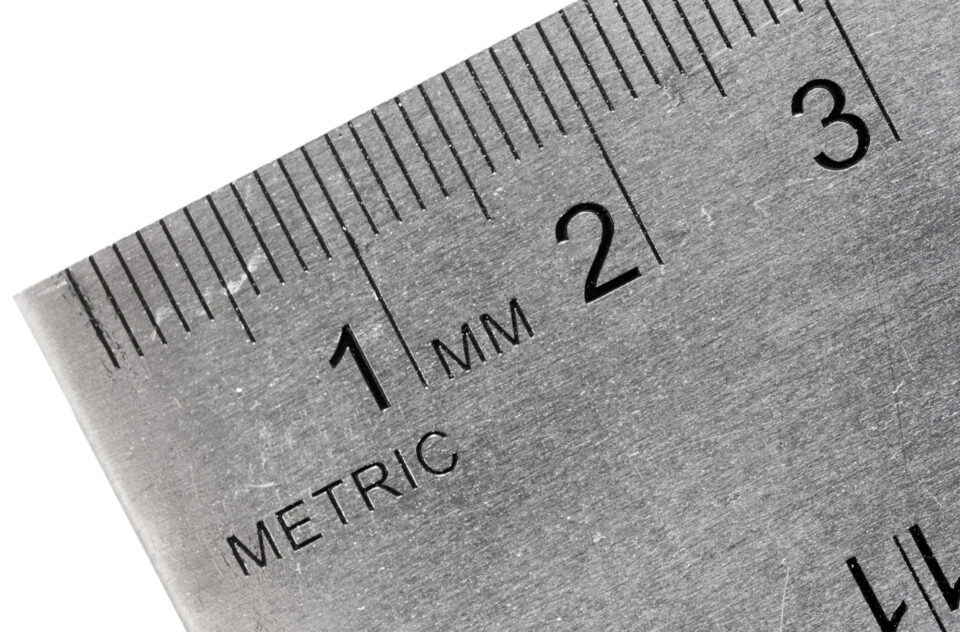
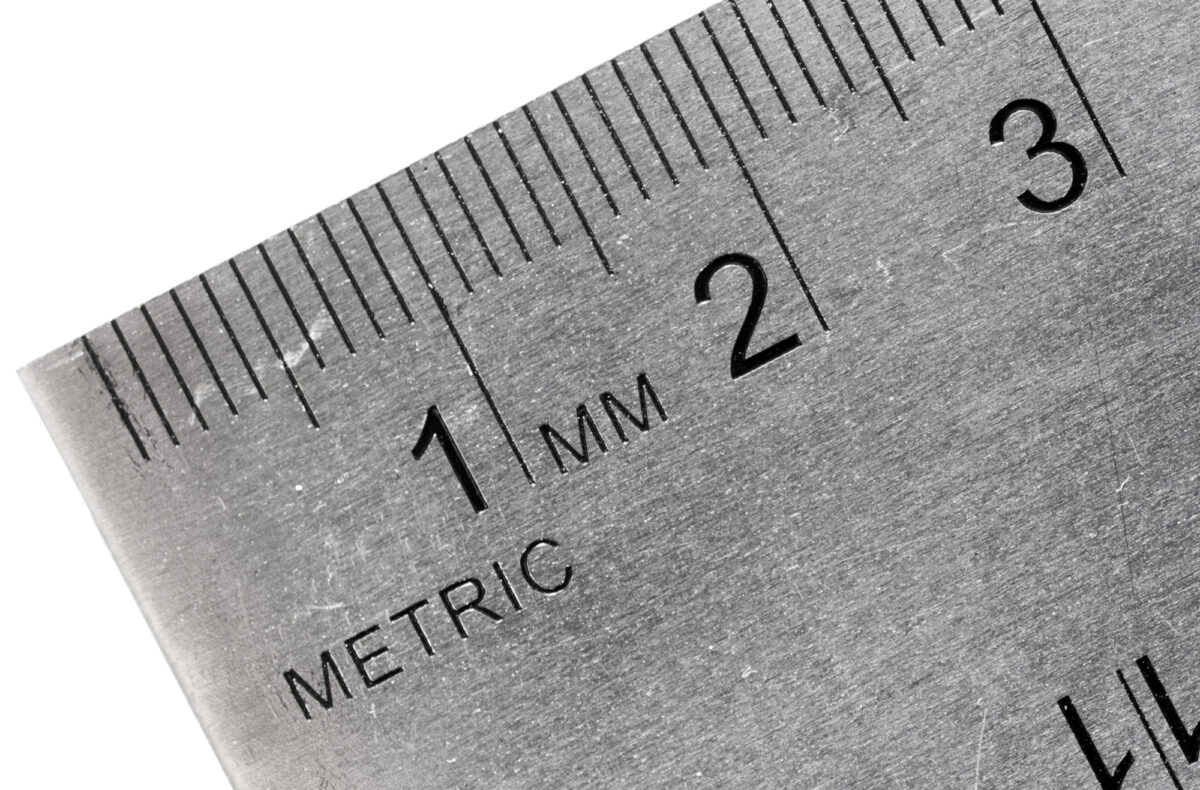
The expense and complexities of switching to the metric system have prevented the change, and have affected how standard weights and measures help globalization.
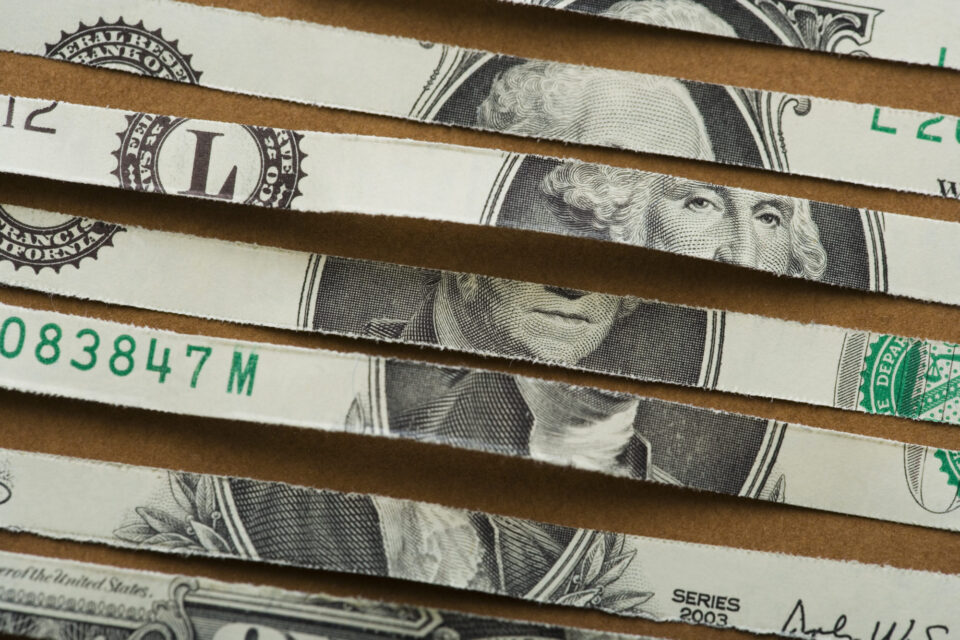
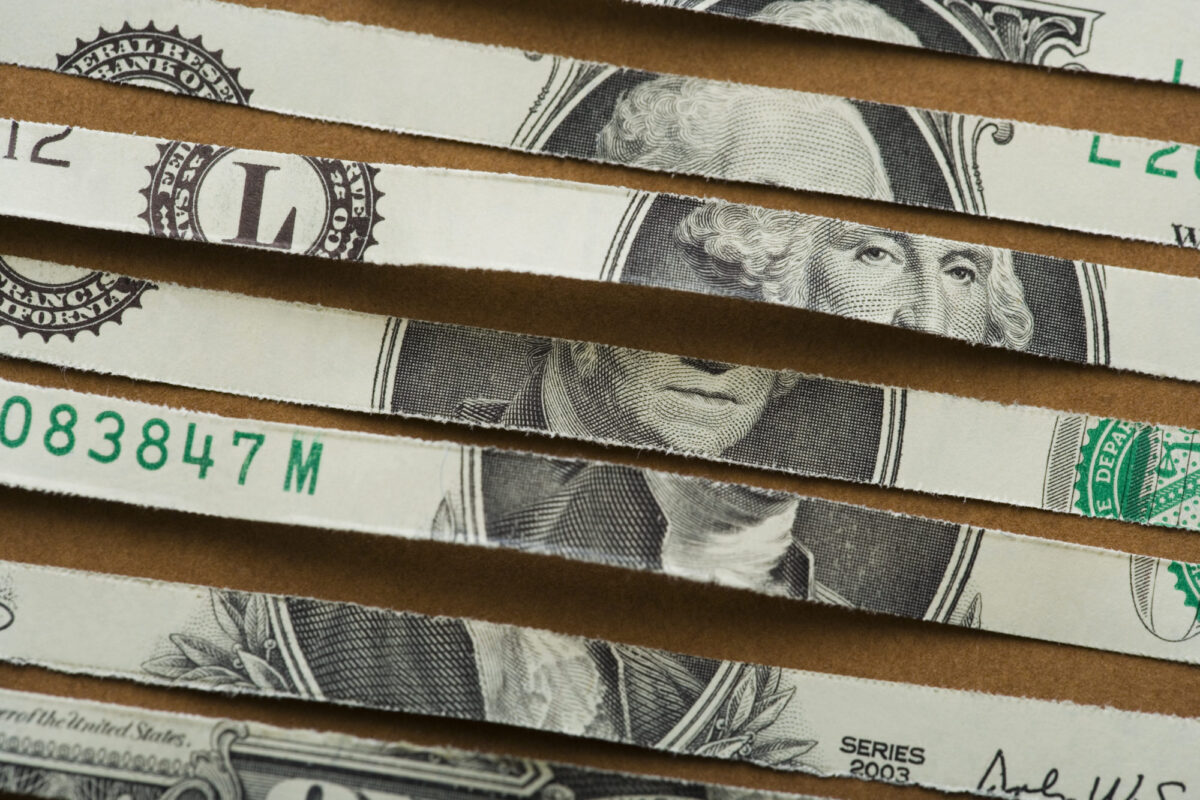
Part of keeping the money supply at the right level involves the Fed monitoring the paper money that enters circulation and recycling cash that leaves it.
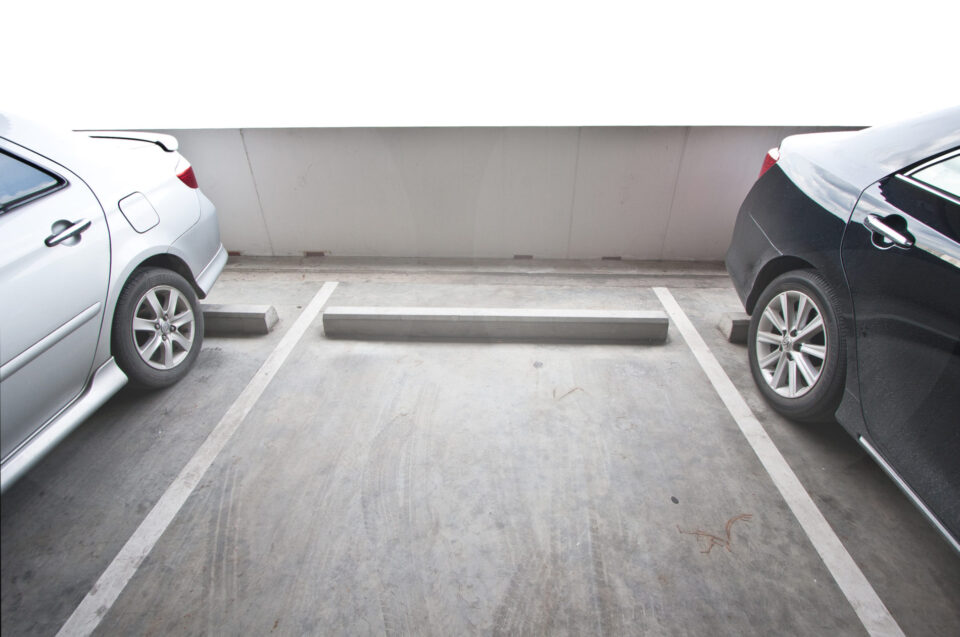
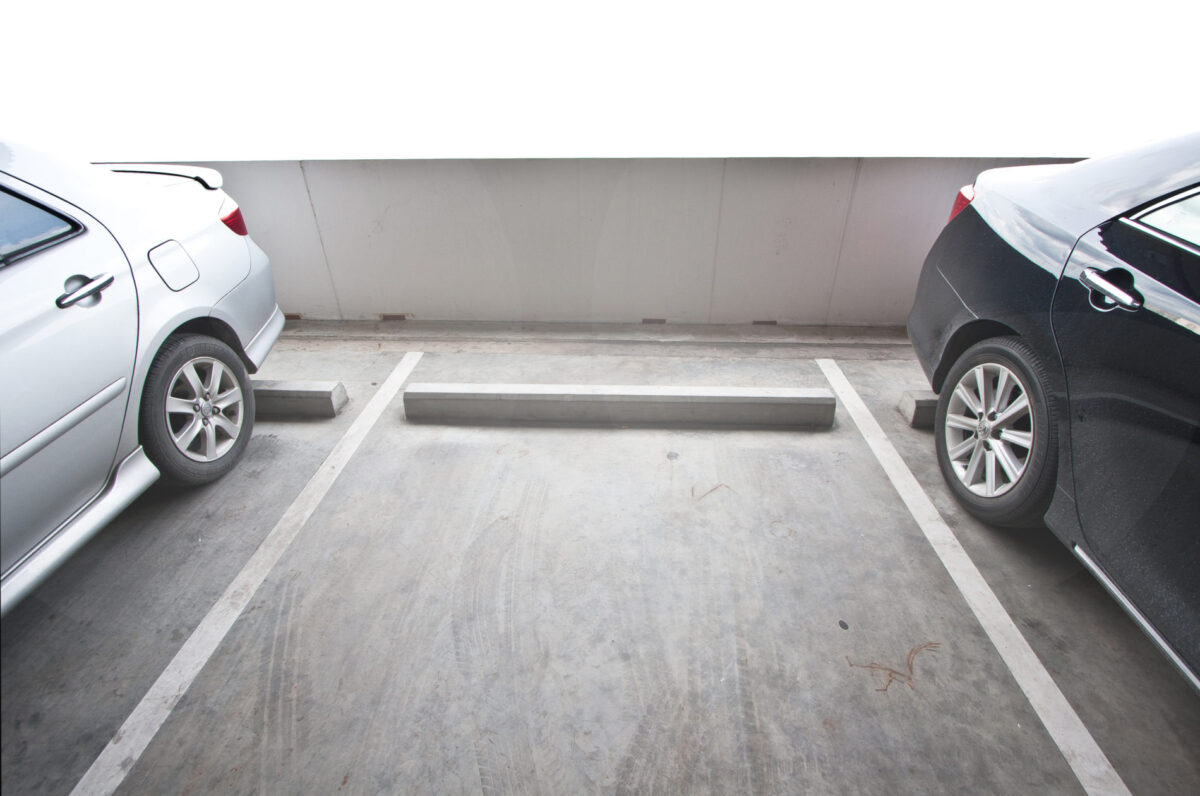
Including congestion, wasted gas, time and emissions, cheap parking creates negative externalities that variable pricing of parking spaces can eliminate.
Relating income inequality to the stress felt by low status Bolivian Tsimane men and academy award losers, researchers said that stress that harms health.
Looking at internet connectivity as a part of the EU's information infrastructure, we can see how Italy is behind and reflects member nation contrasts.
Illustrated through word use and data selection in research, politically liberal and conservative economists display a tendency toward confirmation bias.
Our CPI measure of the inflation rate has been debated because it could be calculated using a chained CPU, could be real time, and excludes some seniors.